Which hunting web structure is typically *not* constructed by the nocturnal woodlouse spider?
Answer
Intricate orb webs to ensnare flying insects
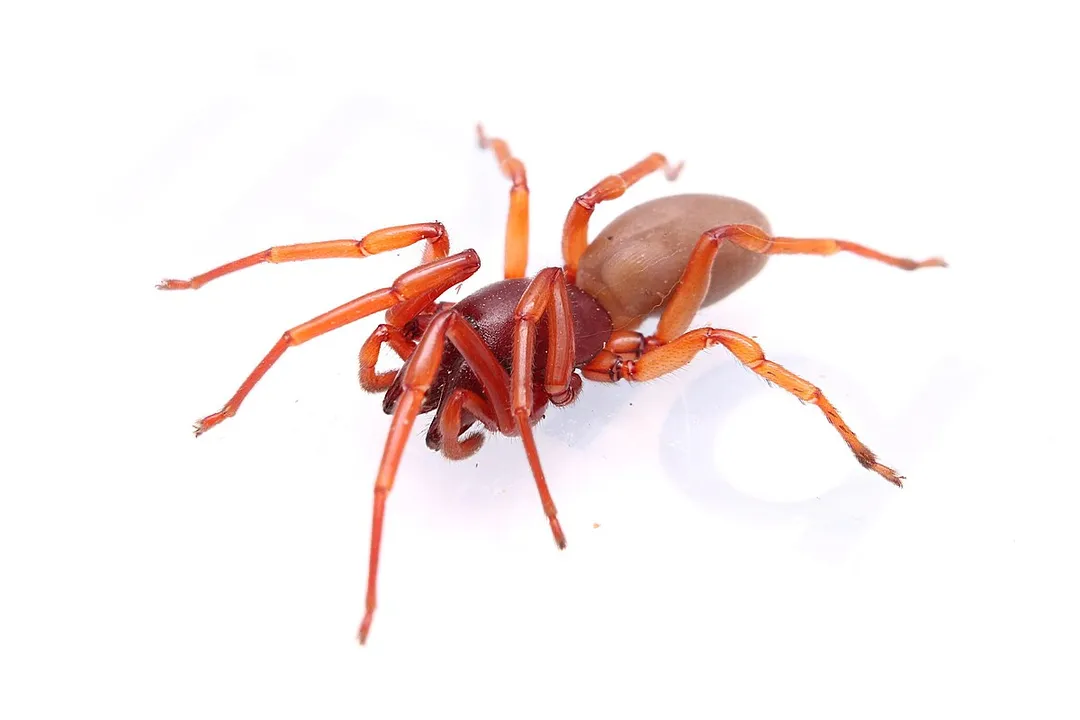
The hunting method of *Dysdera crocata* diverges significantly from spiders famous for capturing aerial prey. This species is a ground-dwelling hunter that does not construct the classic, intricate orb webs often associated with gardens. Instead, their nocturnal activity involves roaming the ground, relying on vibration and touch to locate prey, or utilizing simple, small sheet-like webs or silken retreats near the ground level to wait for woodlice to pass by. Their hunting style is active pursuit and ambush, not passive trapping of flying insects in large structures.
Related Questions
What is the family classification for the woodlouse spider, *Dysdera crocata*?Why does *Dysdera crocata* possess elongated and robust chelicerae?How many eyes does the woodlouse spider possess, unlike *Tegenaria* or *Eratigena* genera?What specific terrestrial crustaceans constitute the primary diet of the woodlouse hunter?What feature camouflages the female *Dysdera crocata*'s egg sac in its damp habitat?When bitten by a woodlouse spider, what characterizes the typical localized reaction in humans?What environmental condition is essential for the woodlouse spider because of its reliance on woodlice?Which hunting web structure is typically *not* constructed by the nocturnal woodlouse spider?What is the general body length range for adult male woodlouse spiders compared to females?If pest management is deemed necessary for *Dysdera crocata*, what is the recommended primary defense strategy?