Why are the large, protruding chelicerae of *Dysdera crocata* significant taxonomically?
Answer
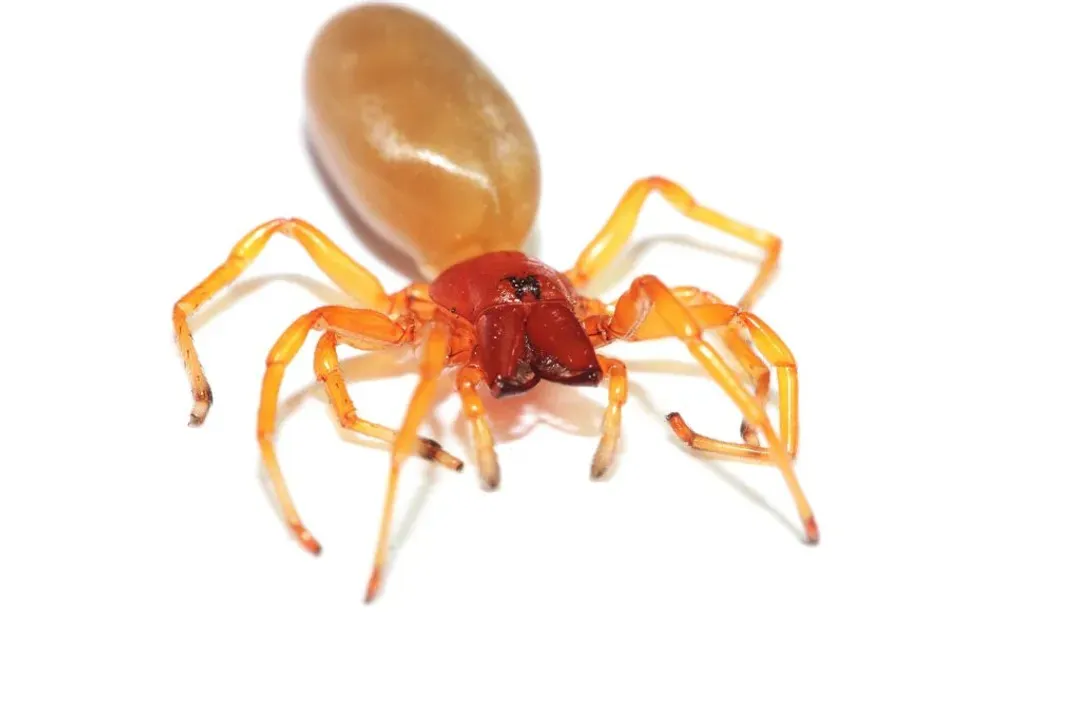
They manifest the feeding specialization tuned for conquering armored prey like woodlice.
The physical structure of the chelicerae (fangs) in *Dysdera crocata* is a perfect example of evolutionary specialization directly tied to its ecological niche. These large, protruding structures are a physical manifestation of the family trait (Dysderidae) requiring specialized piercing capability. They are essential tools, powerful enough to penetrate the tough outer cuticle of their preferred prey, the woodlouse. This adaptation dictates the success of the species and underpins its common name, Woodlouse Hunter Spider, showing a direct link between anatomy and specialized feeding strategy that differentiates it within the broader Order Araneae.
Related Questions
What fundamental characteristic defines the Kingdom Animalia placement of the Woodlouse Spider?Which anatomical features characterize the Phylum Arthropoda classification of *Dysdera*?What distinguishes Class Arachnida membership for the Woodlouse Hunter Spider?What specialized organ unites members of the Order Araneae, including *Dysdera*?What specific predatory adaptation defines the Family Dysderidae placement of *Dysdera*?What general morphology is consistently found across species in the Genus *Dysdera*?What does the specific epithet *crocata* in *Dysdera crocata* primarily refer to?How does placement in Phylum Arthropoda refine the *Dysdera* classification from Kingdom Animalia?Why are the large, protruding chelicerae of *Dysdera crocata* significant taxonomically?How does the *Dysdera* spider's use of silk contrast with general traits of Order Araneae?