Wheaten Terrier Scientific Classification
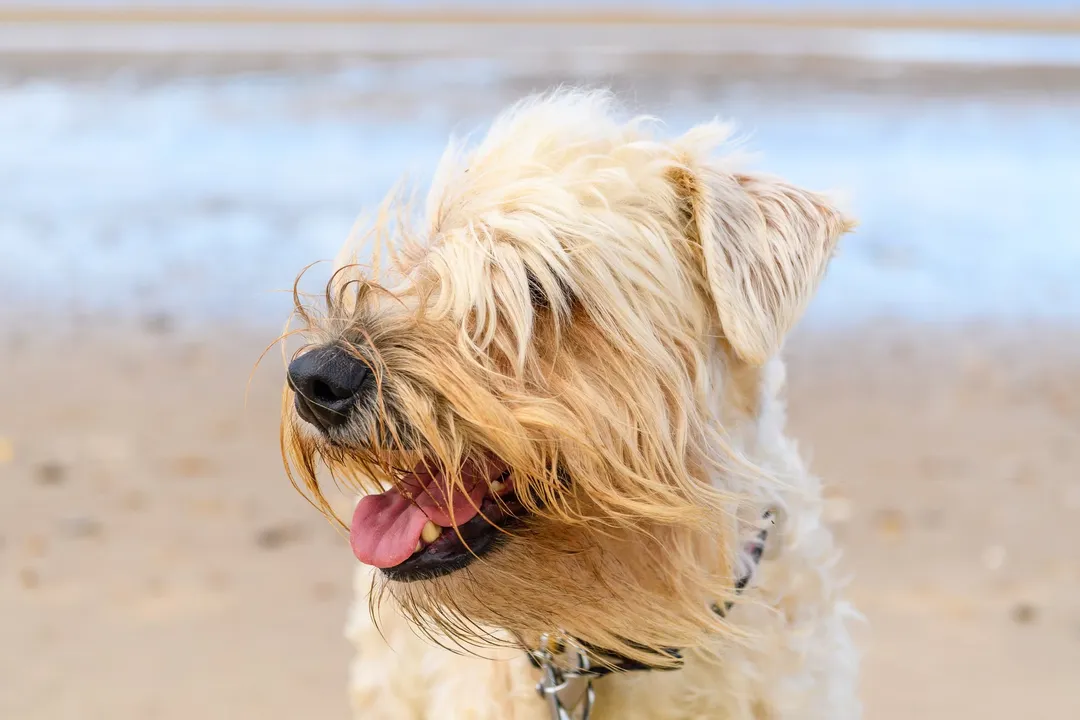
The journey into understanding any purebred dog, even one as charmingly spirited as the Soft-Coated Wheaten Terrier, begins long before we discuss grooming or temperament. It starts with its formal placement in the grand organization of life—its scientific classification. While the breed is immediately recognizable by its signature soft, wheaten-colored coat and buoyant personality, tracing its lineage through the Linnaean system reveals exactly where this energetic canine sits in the biological world, distinguishing it from every other living creature, from fungi to flora. [1][2]
# Canine Taxonomy
The scientific classification follows a hierarchical structure, starting incredibly broad and narrowing down until we arrive at the specific species and breed designation. At the highest level, all dogs belong to the Kingdom Animalia, meaning they are multicellular, eukaryotic organisms that consume other organisms for energy. [5][10] Moving down, they fall into the Phylum Chordata, characterized by the presence of a notochord at some point in their development, a feature that solidifies their place among vertebrates. [4][8]
Next, we arrive at the Class Mammalia. This places the Wheaten Terrier among creatures that possess mammary glands, are warm-blooded, and typically have hair or fur—a description that certainly fits our subject. [3][7] From there, the classification descends into the Order Carnivora. Despite what a modern Wheaten might prefer for dinner, this order is defined by adaptations for eating meat, though domestic dogs are now known to be highly omnivorous scavengers and companions. [1][9]
The family level is Canidae, which encompasses dogs, wolves, foxes, and jackals. [10] This step separates the Wheaten from felines (Felidae) and bears (Ursidae). Finally, we arrive at the genus and species. For the Soft-Coated Wheaten Terrier, like all domestic dogs, the scientific classification culminates in Canis lupus familiaris. [2][6] This designation acknowledges its direct descent from the gray wolf (Canis lupus), recognizing the dog as a subspecies that has been domesticated and selectively bred by humans for millennia. [4][5]
# Breed Grouping
While the Linnaean system places the Wheaten squarely within Canis lupus familiaris, kennel clubs and breed registries impose their own functional classifications, which are crucial for understanding breed purpose and history. [3][6] The Soft-Coated Wheaten Terrier belongs to the Terrier Group. [1][3] This grouping isn't about a specific genus or family but about a shared history of function: tenacious hunting dogs bred to root out vermin and small game, often working underground. [7][9]
It is interesting to compare the biological placement with this functional grouping. Biologically, the Wheaten is no more or less "dog" than a Golden Retriever or a Chihuahua; they all share the same species designation. However, the Terrier grouping speaks volumes about the intense artificial selection imposed by humans. [5] The selection pressure applied to the ancestors of the Wheaten favored gameness, alertness, and a size suitable for bolting badgers or foxes, traits that contrast sharply with the selection pressures applied to, say, the Herding Group. [1][8] This highlights a key concept: while taxonomy describes shared ancestry based on natural evolution, breed groups reflect the concentrated results of human-directed evolution over the last few centuries. [2]
# Irish Roots
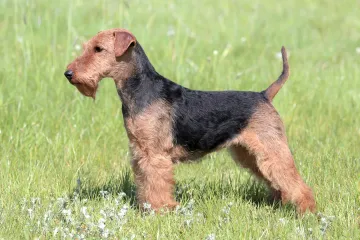
To truly appreciate the Wheaten’s classification, one must look at its geographical origins, which heavily influenced the traits that eventually became standardized. [6][9] The Wheaten Terrier hails from Ireland, where it was historically an all-purpose farm dog, often seen as the common man's terrier. [1][7] Before formalized breed standards, dogs in this region likely exhibited a wider range of coat colors and textures, many of which were likely culled or bred out to favor the now-iconic soft, wheaten hue. [2][3]
Interestingly, sources suggest that the Wheaten may have been the progenitor of other, more famous Irish terriers, like the Kerry Blue Terrier and the Irish Terrier, suggesting that the breed’s genetic pool is ancient and foundational to other distinct canine lines. [3][7] This ancient status within the Irish kennel landscape reinforces why its classification within Canis lupus familiaris is so deeply intertwined with regional agricultural history rather than recent, highly specialized development. [10]
# Coat Specifics
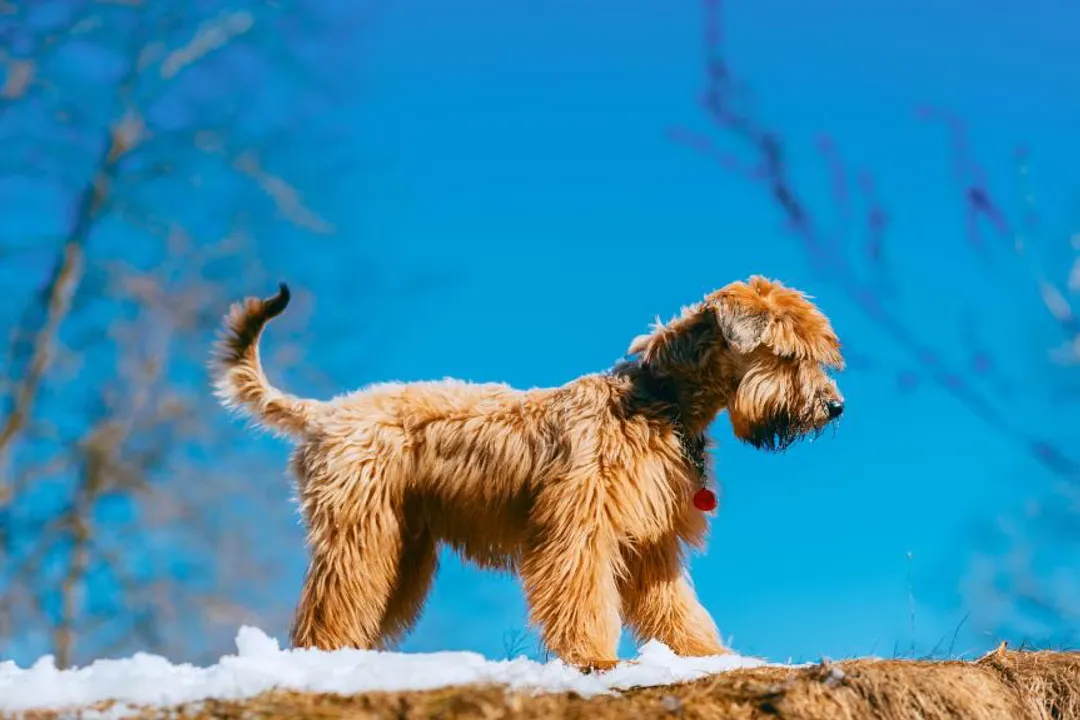
The most distinguishing feature, and the one that gave the breed its name, is its coat. Unlike the harsh, wiry coat typical of many other terriers, the Wheaten possesses a soft, silky, wavy, or curly coat that never hardens. [8][9] This physical characteristic is a direct result of the breed standard developed in the 20th century, pushing it away from the traditional terrier texture. [2][6]
The coat description moves the conversation from pure Linnaean taxonomy into the realm of physical variation within a subspecies. Genetically, this difference in coat texture is significant enough for breed recognition, yet it remains a phenotypic variation within the Canis lupus familiaris subspecies, much like different human hair types within Homo sapiens sapiens. [5] The coat is single, lacking the harsh undercoat found in many of its rough-coated cousins. [7] This difference means that while a scientist classifying them by DNA would group them identically, a veterinarian or breeder immediately recognizes the unique maintenance requirements stemming from this specific genetic expression. [1][10]

# Temperament and Function
The functional requirements of a farm dog in Ireland—alertness, energy, and a need to manage various tasks—are still coded into the Wheaten’s behavior today, regardless of its formal classification. [7][3] They are known for their enthusiastic greetings, often involving a characteristic "Wheaten Greetin'," where they jump up on people. [6] This ingrained social exuberance speaks to a history where bonding closely with the farm family was as important as catching rats. [9]
Considering the demands of their historical role, which required constant vigilance over livestock and property, it’s easy to see why modern Wheatens often exhibit high energy levels and a tendency toward exuberance, even when they are simply guarding the living room against the mail carrier. [4][1] Owners must recognize that the very traits bred into this subspecies for utility—high drive and independence—still need appropriate outlets, even if the only vermin they encounter are dust bunnies. [1][8] Providing complex puzzle toys or engaging scent work can satisfy the deep-seated instincts carried over from their original working classification far better than simply an extra walk around the block.
# Comparative View
When looking at the Wheaten Terrier, one can see how close breeds can remain taxonomically while diverging significantly through human selection. [2] For instance, when comparing the Wheaten to the Irish Terrier—also native to Ireland and sharing a similar heritage—the differences in coat texture and color are stark, yet both firmly reside in the Canis lupus familiaris species. [5][7] The scientific classification simply labels them as the same species, acknowledging their shared recent ancestry with the wolf. The breed standard, established by organizations like the American Kennel Club (AKC) or The Kennel Club (UK), is what mathematically separates the Wheaten from its cousins, defining the precise parameters of its soft, golden coat and its specific body structure. [3][6]
Ultimately, the scientific classification of the Soft-Coated Wheaten Terrier grounds it in the biological history of all dogs, confirming its place within the Canidae family as a specialized subspecies of the wolf. [4][10] The details that make it unique—its soft coat, its joyful disposition, and its Irish heritage—are the layers of human-applied selection that distinguish it within that broad Canis lupus familiaris umbrella. [2][9]
Related Questions
#Citations
Soft-coated Wheaten Terrier - Wikipedia
Soft Coated Wheaten Terrier - Discover Animals
Soft Coated Wheaten Terrier - Dog Breeds - American Kennel Club
Soft-Coated Wheaten Terrier - Bengio
Soft Coated Wheaten Terrier | Breeds A to Z - The Kennel Club
Soft Coated Wheaten Terrier - All About Dogs - Orvis
Soft Coated Wheaten Terrier - Lanett - Riverside Veterinary Hospital
Soft Coated Wheaten Terrier - Dog Breeds - PetMD
Soft Coated Wheaten Terrier Dog Breed Information | Purina UK
Soft Coated Wheaten Terrier Dimensions & Drawings