Wolf Spider Scientific Classification
The intricate biological categorization of life places the familiar wolf spider, a swift and hairy predator often seen darting across the ground, within a specific, well-defined structure that reveals its relationship to all other living things. [1][3] Understanding where they fit in the grand scheme—from the broadest kingdom down to the precise family level—helps scientists organize the vast diversity of life on Earth and interpret the evolutionary paths these arachnids have taken. [1] This hierarchical system, essential for taxonomy, begins with the most inclusive groupings and narrows down to the specific family, Lycosidae, which unites all creatures commonly recognized as wolf spiders. [2][3]
# Kingdom Rank
The initial placement for any wolf spider is within the Kingdom Animalia. [1][2][3] This fundamental grouping separates organisms that are multicellular, heterotrophic (meaning they must consume other organisms for energy), and generally possess complex cell structures without rigid cell walls. [1] Within Animalia, wolf spiders share their most ancient lineage with everything from jellyfish to mammals, indicating a shared, ancient evolutionary history defined by mobility and the necessity of external nutrient acquisition. [1]
# Arthropod Phylum
Moving down a level, wolf spiders belong to the Phylum Arthropoda. [1][2][3] This massive phylum is characterized by several defining features that are instantly recognizable in a wolf spider: an exoskeleton, a segmented body, and jointed appendages. [1] The presence of a tough, external cuticle made primarily of chitin is a hallmark of arthropods, providing protection and structural support for terrestrial life. [1] Furthermore, their bodies are divided into distinct sections, though these are sometimes fused or less obviously separated than in insects. [1]
# Arachnid Class
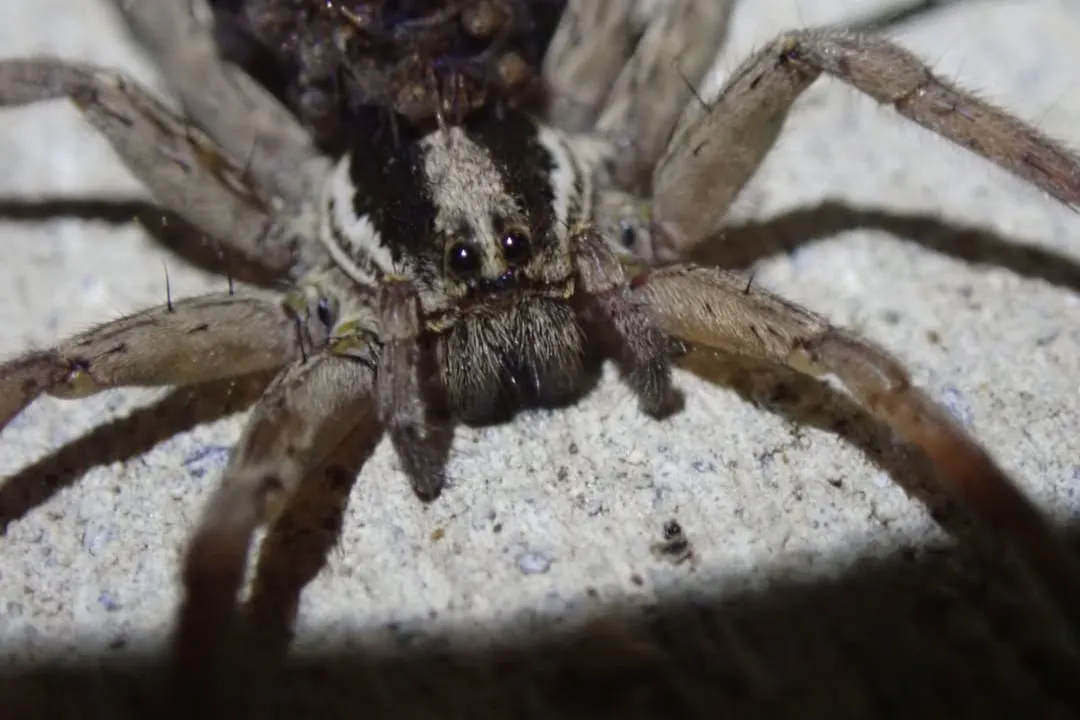
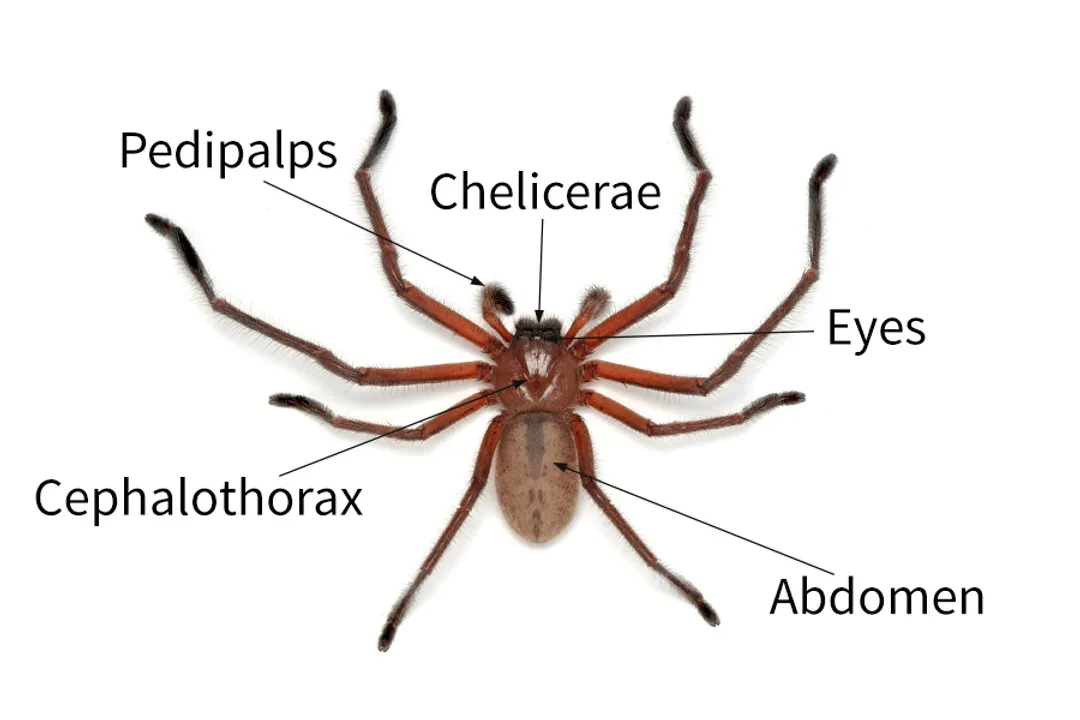
The next step in classification brings us to the Class Arachnida. [1][2][3] This group is distinguished from insects (which belong to the Class Insecta) primarily by the number of legs and body segments. [1] Arachnids, including spiders, scorpions, mites, and ticks, possess eight legs—a consistent feature across the entire class—and typically have two main body parts: the cephalothorax (prosoma) and the abdomen (opisthosoma). [1] Wolf spiders adhere strictly to this pattern, possessing four pairs of walking legs attached to the fused head and thorax region. [1]
# Order Araneae
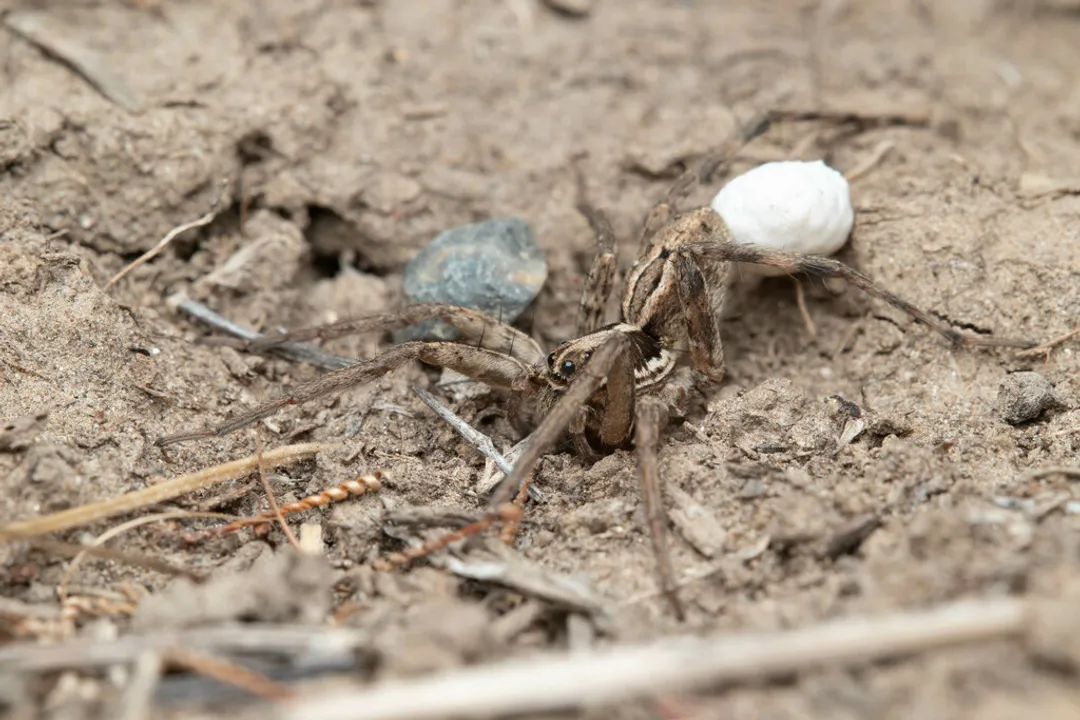
Within the Arachnida, wolf spiders fall into the Order Araneae, the group encompassing all true spiders. [1][2][3] This order is defined by several key morphological characteristics that separate them from other arachnids like harvestmen or scorpions. [1] Members of Araneae possess chelicerae modified into fangs, often associated with venom delivery, and possess spinnerets located near the rear of the abdomen used for producing silk. [1] Despite their name, wolf spiders are famous for not relying on a capture web for their sustenance, which distinguishes their behavior from many other members of Araneae. [7] They possess advanced visual systems, necessary for their hunting style, setting them apart from spiders reliant solely on web vibrations. [7][10]
# Family Lycosidae
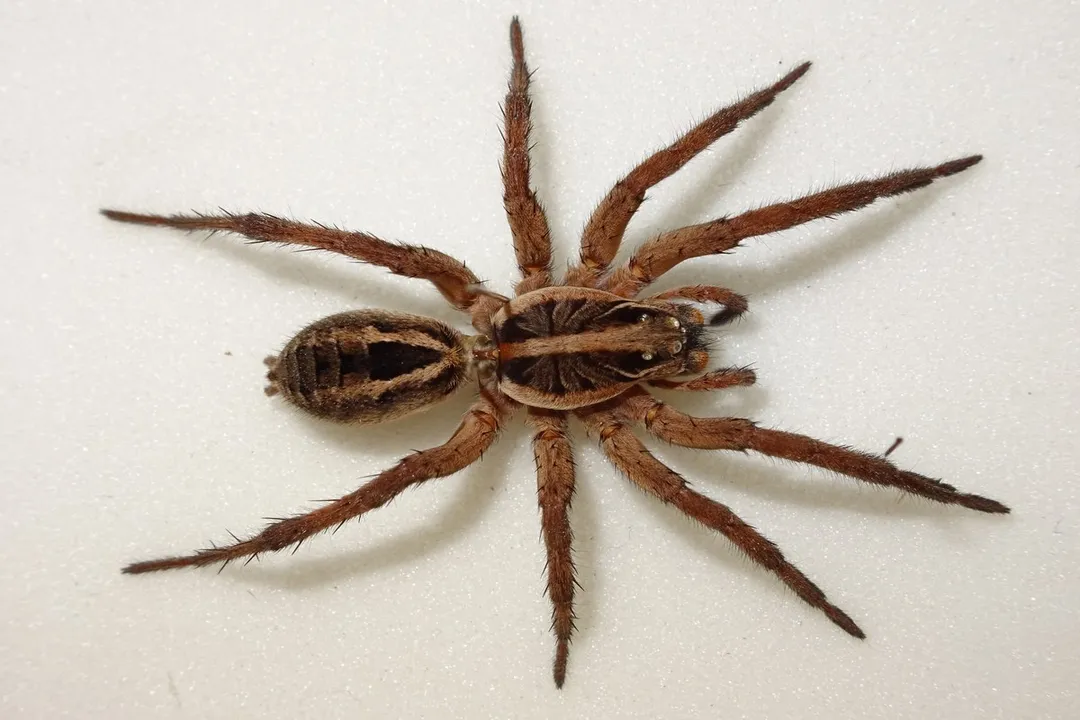
The precise placement of the wolf spider is within the Family Lycosidae. [1][2][3][4] This family name, derived from the Greek word for "she-wolf" (lycos), directly relates to their characteristic behavior of actively hunting their prey rather than trapping it in a silk net. [1][10] Morphologically, members of Lycosidae are often described as being relatively large and notably hairy. [4][9]
A key diagnostic feature for identifying spiders to the family level, including Lycosidae, often involves examining the arrangement of their eight eyes. [7] While visual identification in the field can be tricky, the eye pattern for Lycosidae is generally distinct, often featuring two very large posterior median eyes situated above a row of four smaller eyes, with two more eyes positioned higher up on the carapace. [7] This arrangement grants them excellent vision compared to many other spider groups. [7] The classification into Lycosidae aggregates species that share these core morphological traits, alongside behavioral tendencies like the female carrying her silk-wrapped egg sac attached to her spinnerets and later carrying the newly hatched spiderlings on her back. [10]
# Global Diversity
The family Lycosidae is remarkably widespread, found across the globe in various terrestrial habitats, indicating a high degree of ecological adaptability. [4][9] They are present in many environments, from forests to grasslands. [4] Their ability to thrive in diverse locations suggests that while the defining characteristics (hairy build, hunting strategy) are conserved, there has been considerable speciation within the family to suit local conditions. [1] For instance, different genera within Lycosidae might exhibit variations in size, coloration, or specific preferred microhabitats, yet they all retain the fundamental traits that place them under the Lycosidae banner. [4]
It is interesting to note that while the general description notes they are often large and hairy, [4][9] size can vary significantly. While some species can indeed be quite substantial, others are much smaller, showing that "large" is a relative term within the context of spider size generally. [5] This variability within the family boundary highlights the difficulty taxonomists face when relying on gross external features alone.
# Classification Context
The placement of Lycosidae within the Araneae order hinges on both the undeniable morphological features shared by all spiders (spinnerets, fangs, eight legs) and the specific adaptations unique to this family. [1] The scientific classification system relies on shared derived characteristics—traits that evolved in a common ancestor and were passed down. [1] For wolf spiders, traits like the eye arrangement and the distinctive maternal care behavior are strong indicators of their close kinship with one another, justifying their separation into the Lycosidae family. [10]
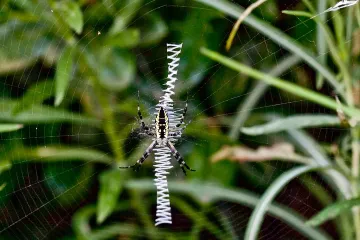
One analytical point worth considering is how classification interacts with lifestyle. Many spiders in the Order Araneae built capture webs; the wolf spider lineage, however, strongly diverged behaviorally towards a cursorial, or running, hunting strategy. [7] This reliance on speed and sight, rather than passive silk traps, represents a major evolutionary commitment. While the classification itself is based on physical structure, the structure (like superior eyesight) directly supports this lifestyle, illustrating a powerful link between taxonomy and ecology. [7] If a new spider species were discovered with the Lycosidae eye pattern and carrying behavior but happened to build a large web, its classification would still likely default to Lycosidae based on skeletal morphology, showing that morphology often outweighs secondary behavioral traits in establishing family placement. [1]
# Beneficial Predators
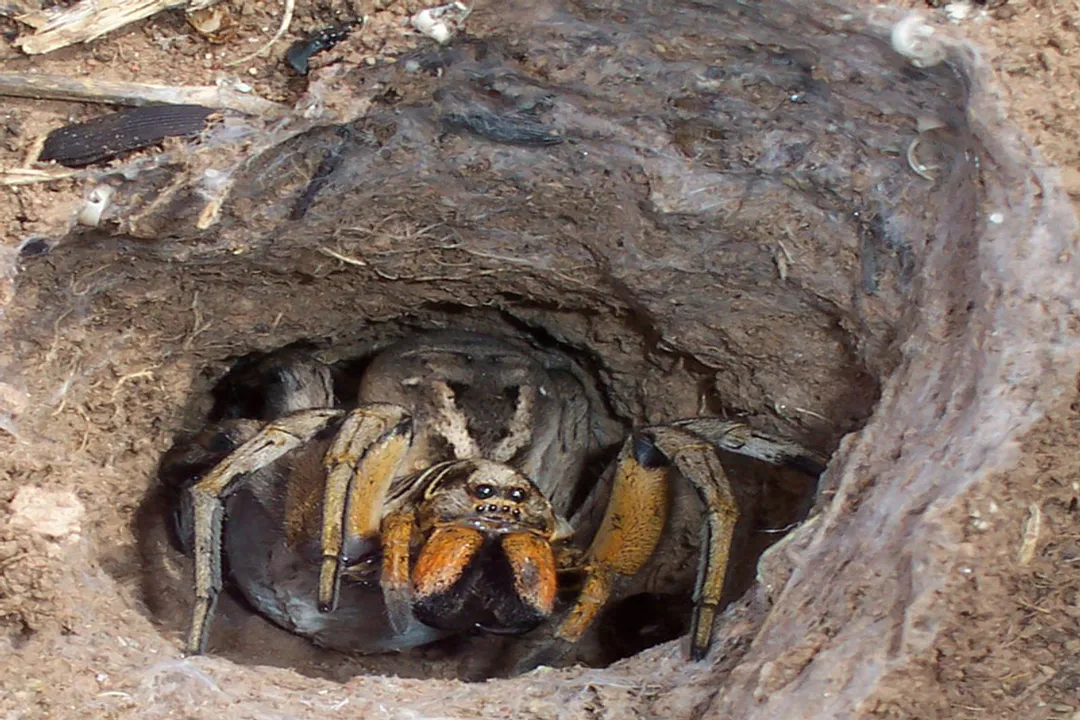
Wolf spiders are regarded as highly beneficial arthropods due to their predatory habits. [8] They are active hunters, using their speed and vision to pursue and overpower prey. [6][8] This active pursuit contrasts with the web-builders and places them ecologically alongside other generalist predators. [8] They are active both during the day and at night, depending on the specific species, showing flexibility in their foraging schedule. [4]
From a practical standpoint for observers or gardeners, their classification as active hunters means they consume a wide variety of invertebrates, effectively managing pest populations simply by walking through the environment. [8] Unlike specialized predators that target one specific prey type, the wolf spider's classification as a generalist hunter means their presence benefits an ecosystem broadly. [8]
# Maternal Care
A defining characteristic that separates the Lycosidae family, and one that is highly visible to field observers, is the unique method of maternal care. [10] After the eggs hatch, the spiderlings emerge and immediately climb onto the mother's back, where she carries them for a period. [10] This behavior is a strong indicator confirming the spider's identity as a wolf spider when observed in the field. [10]
To add a comparative observation, while many spiders exhibit some form of parental investment, the active, prolonged carrying of the young on the dorsum (back) of the mother is less common among other major hunting spider families. For example, while some large hunting spiders like tarantulas (Family Theraphosidae) guard their egg sacs fiercely, they typically do not transport the mobile, newly hatched young on their bodies in the same manner as Lycosidae. [10] This difference in post-hatching care represents a significant divergence in life history strategy within the Arachnida, further solidifying the distinct identity of the wolf spider family within the scientific classification structure. [10] The presence of this behavior in nearly all surveyed Lycosidae members underscores its importance as a conserved trait passed down through their lineage. [1]
Related Questions
#Citations
Wolf spider - Wikipedia
Wolf Spiders - Explore the Taxonomic Tree | FWS.gov
Wolf Spiders (Family Lycosidae) - iNaturalist
Family Lycosidae - Wolf Spiders - BugGuide.Net
wolf spiders (Family Lycosidae Sundevall, 1833) - Insect Images
Featured Article – Wolf Spiders - TRRP
(Family) (Lycosidae) - Montana Field Guide
Wolf spiders (Araneae: Lycosidae)
Wolf Spiders - University of Kentucky
Wolf Spiders - The Australian Museum