Yellow Sac Spider Scientific Classification
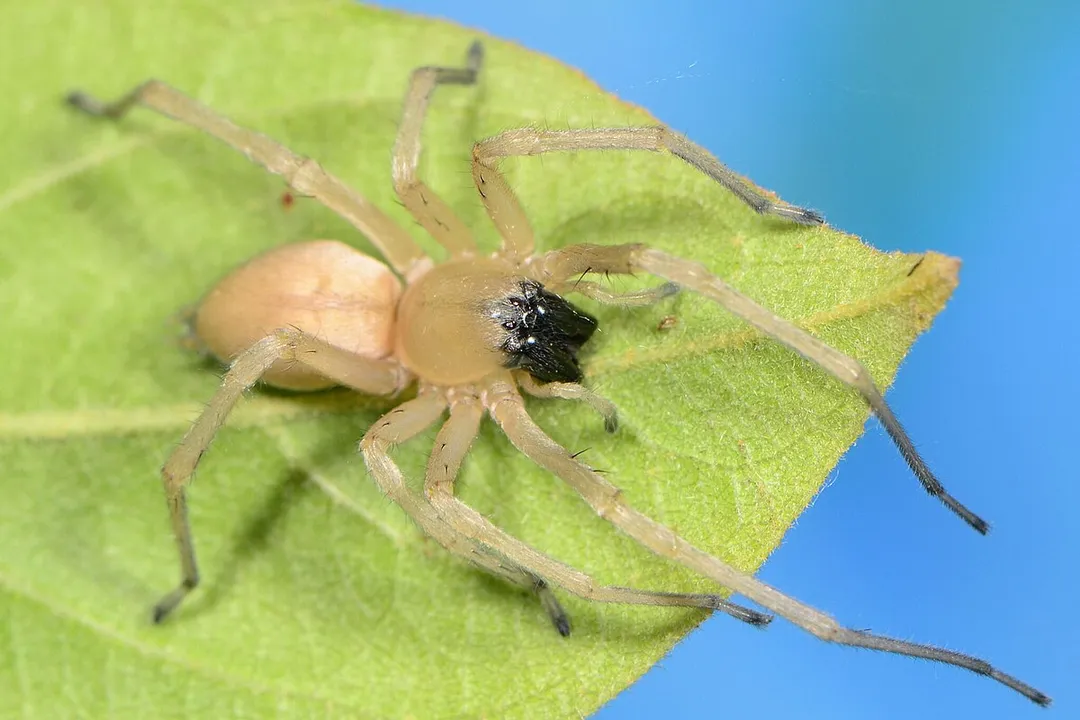
The scientific classification of the creature commonly known as the Yellow Sac Spider provides a precise map of its place in the biological world, moving systematically from the broadest categories down to its specific genus, Cheiracanthium. [1][2] While many people only recognize them by their pale yellow or greenish coloration and their habit of retreating into silken sacs, understanding their taxonomy reveals connections to other groups and helps clarify why they are sometimes confused with other spiders. [2][3]
# Animal Kingdom
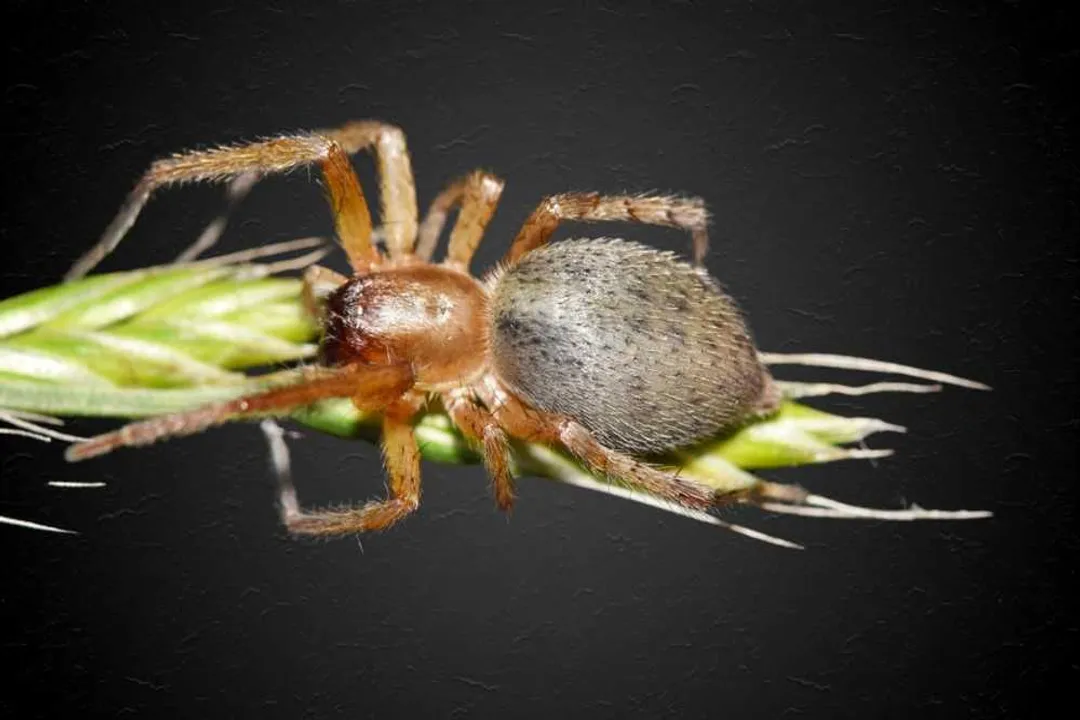
At the highest level of organization, all Yellow Sac Spiders belong to the Kingdom Animalia. [1] This classification signifies that they are multicellular, eukaryotic organisms that are heterotrophic—meaning they obtain food by consuming other organisms—and generally possess motility at some stage of their life cycle. [1] They share this massive kingdom with everything from insects and fish to mammals. [1]
# Jointed Bodies
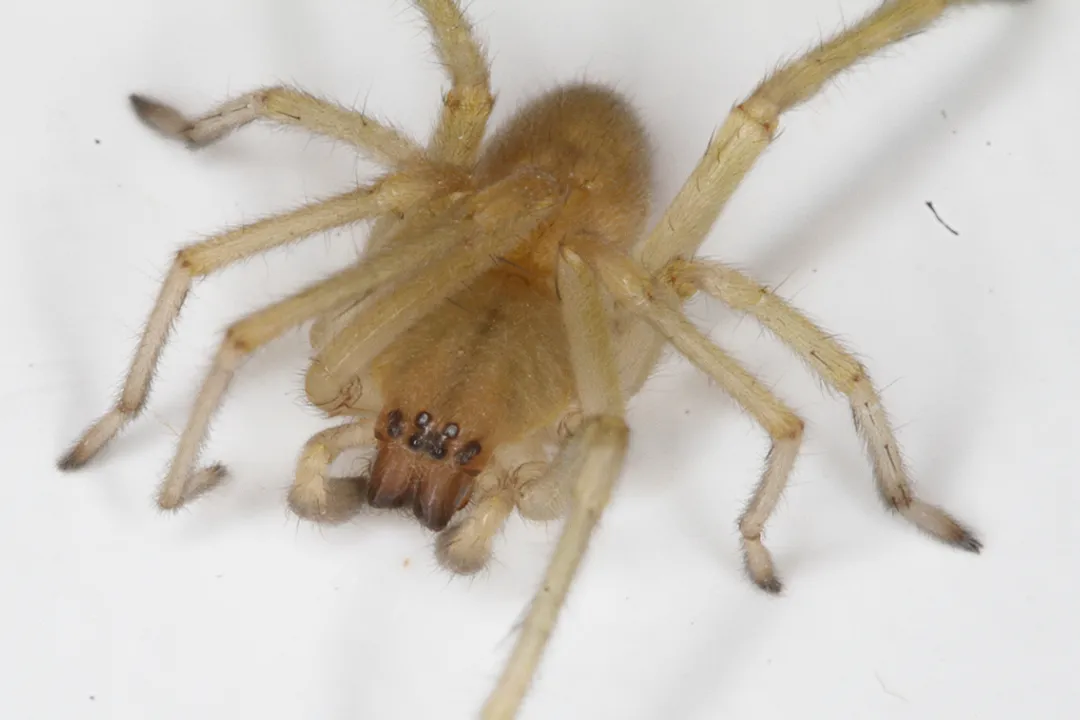
Moving down the hierarchy, the next grouping is the Phylum Arthropoda. [1] This phylum contains the vast majority of described animal species, characterized by an exoskeleton, a segmented body, and jointed appendages—traits clearly visible in the spider’s anatomy. [1] This places them alongside insects, crustaceans, and myriapods. [1]
# Eight Legs
Within Arthropoda, the Yellow Sac Spider falls into the Class Arachnida. [1] This class is specifically defined by having eight legs and lacking antennae and wings, which instantly distinguishes them from insects. [1] The presence of chelicerae, specialized mouthparts that typically end in fangs, is also a hallmark of arachnids. [2]
# The Spiders
The Order Araneae encompasses all true spiders. [1][6] Spiders are arachnids distinguished by having a two-part body (cephalothorax and abdomen) connected by a narrow pedicel, and by spinning silk from spinnerets located on the abdomen. [1] Within this order, the Yellow Sac Spiders exhibit behaviors and anatomical traits that place them into a specific group within the larger spider tree. [6]
# Family Grouping
The placement of these spiders at the Family level has seen some refinement over time, which is common in taxonomy. [1] Historically, many species now placed in Cheiracanthium were often grouped within the family Clubionidae, the sac spiders. [1] However, modern phylogenetic analysis has resulted in the creation of the family Cheiracanthiidae, which specifically houses the genus Cheiracanthium and its close relatives. [1][6] This separation reflects distinct evolutionary paths and morphological differences recognized by arachnologists. [1] For instance, characteristics related to the chelicerae or the structure of the eye arrangement sometimes determine placement in these revisions. [2] The genus Cheiracanthium is characterized by prominent chelicerae that meet end-to-end, meaning one moves inward against the other. [2]
If you are looking at older identification keys, you might still see references to Clubionidae, so recognizing this historical shift from Clubionidae to Cheiracanthiidae adds an important layer of expertise when reading various literature sources about these spiders. [1][6] This kind of taxonomic change is not just academic; it reflects a deeper understanding of evolutionary relationships derived from new data. [1]
# Genus Meaning
The genus name itself, Cheiracanthium, offers a fascinating linguistic clue that ties directly back to the physical nature of these spiders. [2] The name is derived from Greek words: cheira, meaning "hand" or "claw," and akantha, meaning "thorn". [2] This combination translates roughly to "hand-thorn" or "claw-thorn," which is believed to refer to the structure of their jaws or chelicerae, described earlier as meeting tip-to-tip. [2]
This genus contains the species most commonly associated with the common name, though distributions vary globally. [1] For instance, in North America, the True Yellow Sac Spider is often identified as Cheiracanthium inclusum. [3] Meanwhile, in Europe, the species C. punctorium is prominent. [1] While behaviorally similar—such as constructing small, silken retreats during the day [4]—the specific species dictates exact size, shade variation, and exact geographic range. [1][3]
# Species Identification Context
While the genus defines the group, distinguishing between the common species often relies on minute details or geographic location. [3] For example, C. inclusum is noted for its pale body color, which can range from translucent white to pale yellow or greenish. [3] Its legs are usually lighter than its body. [3] Comparing this to other related spiders, like the common Cheiracanthus mildei (another species within the genus), often requires a trained eye, emphasizing why official classification is necessary over general appearance alone. [1]
| Rank | Classification | Defining Trait Summary |
|---|---|---|
| Kingdom | Animalia | Eukaryotic, Heterotrophic |
| Phylum | Arthropoda | Exoskeleton, Segmented Body [1] |
| Class | Arachnida | Eight Legs, Two Body Segments [1] |
| Order | Araneae | True Spiders, Silk Production [6] |
| Family | Cheiracanthiidae | Modern grouping, distinct from Clubionidae [1] |
| Genus | Cheiracanthium | "Claw-thorn" jaws [2] |
When observing a spider in your home or garden and trying to relate it to this classification, remember that the silk sac is the most visible behavioral trait linking it to the Cheiracanthium genus. [4] If you find a small, rolled-up leaf or a silk-lined crevice containing a pale spider, you are likely observing a member of this genus actively sheltering—an action directly linked to its need for security during daylight hours. [4][5] Unlike web-building orb weavers, these spiders are active hunters, and their taxonomy reflects their lifestyle as wanderers that require portable housing rather than fixed webs for prey capture. [5]
# Behavioral Links to Taxonomy
The shift in classification from Clubionidae to Cheiracanthiidae often correlates with subtle but important differences in hunting strategy or eye arrangement, even if the primary observable trait—the silk sac—remains consistent across both older and newer groupings. [6] For the layperson, focusing on the genus Cheiracanthium provides the most practical information, as it covers the group known for these retreats, often found in grasses, low vegetation, or occasionally indoors near ceilings or in corners. [5] These spiders are nocturnal hunters, meaning the sac is essential for surviving the day safely while minimizing exposure to predators or desiccation. [5] The very structure implied by the genus name—the claw-like jaw—is what allows them to subdue prey effectively during their nightly excursions. [2]
Ultimately, the scientific classification is an agreement among scientists reflecting current evidence about evolutionary history. For the Yellow Sac Spider, it anchors a common, often misunderstood house spider into the precise context of the Arachnida class, distinguishing it from other eight-legged relatives through specific features of its jaws and its phylogenetic separation from the older Clubionid grouping. [1][6]
Related Questions
#Citations
Cheiracanthium - Wikipedia
Species Cheiracanthium mildei - BugGuide.Net
Agrarian Sac Spider (Cheiracanthium inclusum) - iNaturalist
Yellow Sac Spider: Facts & Identification Guide
Yellow Sac Spider - Veseris
Cheiracanthium - an overview | ScienceDirect Topics
Northern Yellow Sac Spider (Cheiracanthium mildei) - The BioFiles
[Pest Profile] Yellow Sac Spider - Pest Control Technology
Yellow Sac Spider (Cheiracanthium) - Spidapedia Wiki - Fandom