Westiepoo Scientific Classification
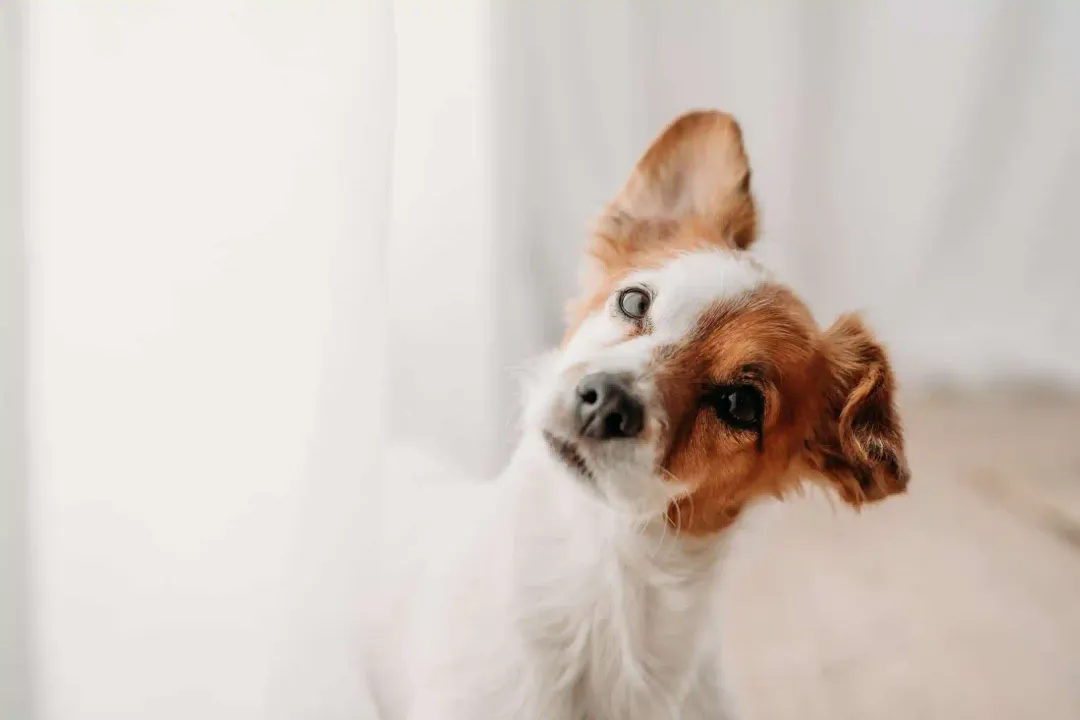
The query into the scientific classification of the Westiepoo begins not with a unique Linnaean designation, but with the established consensus for all domestic dogs. Scientifically, whether one is examining a purebred, a mutt, or a deliberately mixed designer breed like the Westiepoo, they all fall under the same umbrella: `Canis lupus familiaris`. This binomial nomenclature confirms their status as the domesticated form of the gray wolf, Canis lupus.
# Taxonomic Placement
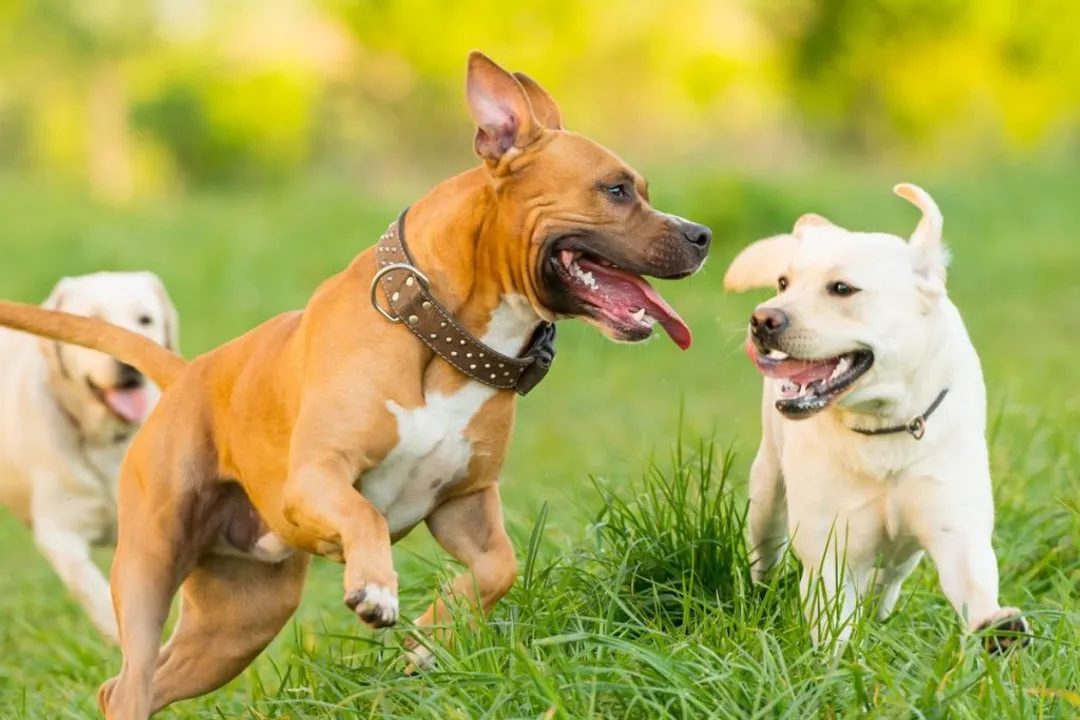
To truly understand the classification, we must look at the hierarchy that places Canis lupus familiaris within the biological world. Dogs belong to the Kingdom Animalia, the Phylum Chordata, the Class Mammalia, and the Order Carnivora. Their placement in the Family Canidae connects them with wolves, foxes, and jackals. However, it is at the species level where the Westiepoo shares its classification with every other modern dog recognized globally, regardless of size, coat, or temperament.
The challenge in assigning a specific "scientific classification" to the Westiepoo arises because it is a hybrid, a product of intentional crossbreeding between two distinct, recognized purebreds: the West Highland White Terrier and the Poodle. In formal taxonomy, only naturally occurring populations or distinct, ancient landraces receive their own unique subspecies or breed designation within the Canis genus. Designer mixes, by definition, exist outside this traditional classification system, meaning their place in the scientific realm is defined by their ancestry, not by an independent designation.
# Ancestry Context Terrier
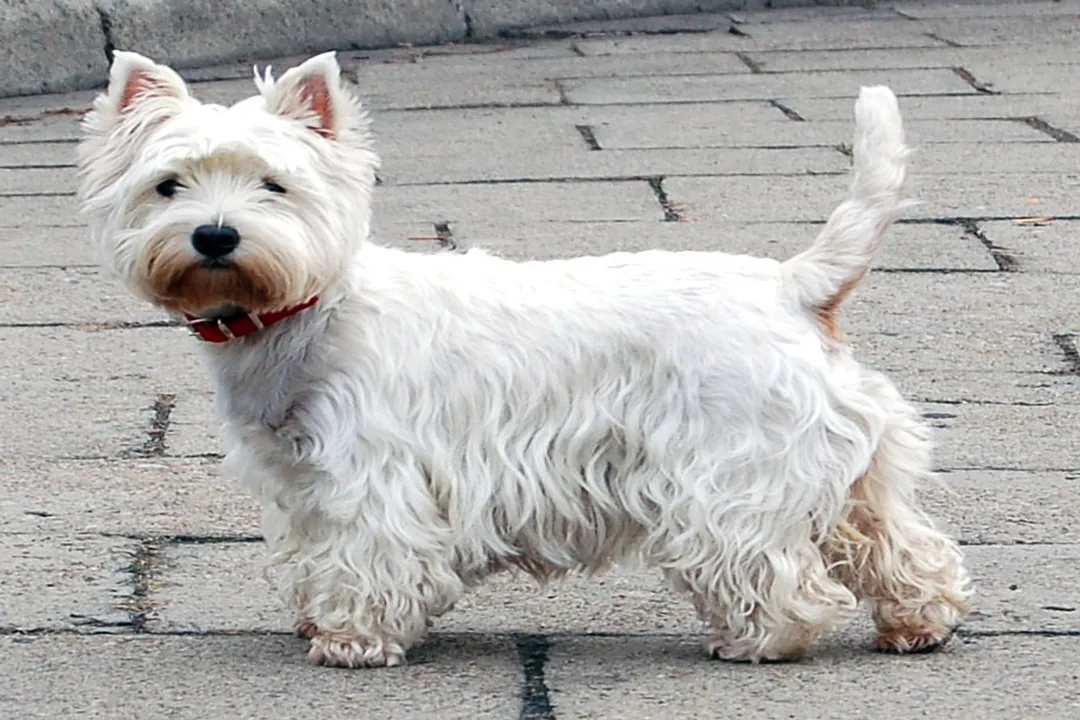
To appreciate the mix, we look at the parents. The West Highland White Terrier, or Westie, is firmly rooted in the Terrier group. This group classification speaks volumes about their historical function. Originating in Scotland, the Westie was developed to hunt and dispatch small vermin. This working background results in traits like tenacity, a strong prey drive, and a natural inclination to bark and dig—characteristics derived from their classification as earth-dogs. Early development involved other white Scottish terriers, and the breed was officially recognized around 1908. It is fascinating to note that the Westie is a cousin to breeds like the Cairn Terrier.
# Ancestry Context Poodle
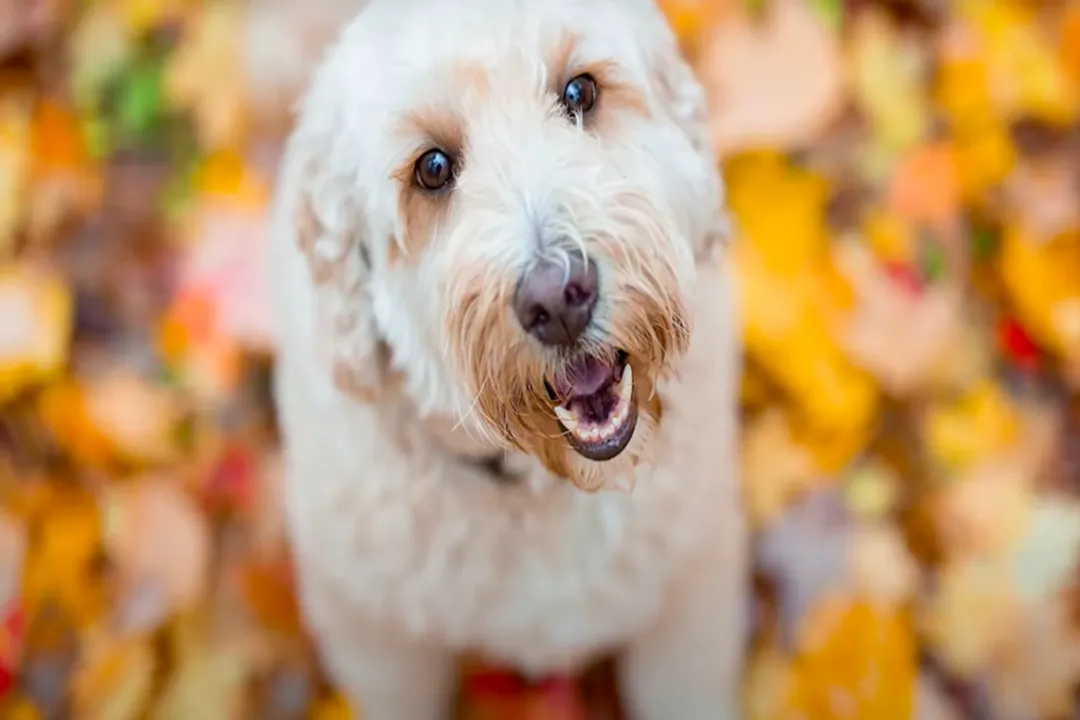
The Poodle, the other half of the Westiepoo equation, occupies a very different functional niche within the canine world. While their history might stretch back to ancient Egypt, Poodles were famously refined in France where they served as water retrievers, hunting ducks. This historical role speaks to their classification as water dogs, contributing their renowned intelligence and eagerness to please, traits that make the resulting cross relatively easy to train. The Poodle line exists in Standard, Miniature, and Toy sizes, with the latter two often used to create smaller hybrids like the Westiepoo.
# Hybrid Classification Ambiguity
Because the Westiepoo is an F1 cross (50% Westie, 50% Poodle, typically), its genetic makeup is inherently variable, leading to unpredictable outcomes in appearance and temperament among littermates. This genetic lottery is precisely why these crosses are not given formal scientific classifications like Canis westiepoo. Instead of acceptance by major kennel clubs, designer dogs rely on hybrid registries such as the Designer Dogs Kennel Club or the International Designer Canine Registry. It is an interesting observation that while established landraces or ancient breeds, like the ancestors of the Westie, have an implicit classification based on historical function and geography, designer hybrids are subject to the whims of recent human breeding goals, which currently prioritize traits like low shedding and a charming appearance over rigorous working standards. This places them in a unique, informal category of canine development.
When a breeder aims for multigenerational crosses (breeding F1 Westiepoos to Poodles, Westies, or other F1 Westiepoos), the goal is to stabilize traits toward a more uniform appearance—a step toward creating a wholly new, recognized breed, though this takes many generations and significant dedication. For now, however, the scientific classification remains simply Canis lupus familiaris, acknowledging their shared species status with all other dogs.
# Functional Inheritance Analysis
Looking beyond the rigid biological labels, analyzing the functional heritage of the parent breeds provides a clearer picture of the Westiepoo's potential temperament. The Westie brings the tenacious, independent, and highly alert nature of a Terrier, bred to work the earth and handle vermin often without direct human input. The Poodle contributes high intellect and a strong desire to please, derived from its history as a cooperative Water Dog. The blending of these two functional types—the independent earth-dog and the intelligent water-dog—results in a dog that is simultaneously smart, trainable, yet capable of exhibiting a notable stubborn streak when its independent nature surfaces. Understanding this inherited dual personality is far more actionable for a prospective owner than simply knowing the species name.
# Practical Considerations of Lineage
The lack of a formal scientific classification means owners must actively manage expectations based on potential genetic inheritance from both sides of the family tree. For example, the desire to breed for the low-shedding coat of the Poodle, which appeals to allergy sufferers, is not guaranteed. Likewise, the infamous Westie predisposition for skin issues, like atopic dermatitis, can certainly be passed on, as owners of mixed-heritage dogs sometimes report. This genetic uncertainty is a key consequence of the hybrid designation. When choosing a puppy, it becomes necessary to inquire about the health testing performed on the purebred parents, as documented concerns like craniomandibular osteopathy ("Westie jaw") for the Westie, or eye issues for the Poodle, remain potential risks for the offspring. One practical strategy this suggests is that, unlike when purchasing a fully recognized purebred with predictable health profiles, owners of Westiepoos should consider budgeting for comprehensive health screening and perhaps higher insurance premiums, recognizing the genetic unknown factor inherent in their pedigree's 50/50 split. This proactive approach acknowledges that while Canis lupus familiaris covers them all, the specifics of their lineage heavily influence their day-to-day health management.
Related Questions
#Citations
West Highland White Terrier - Wikipedia
Westiepoo Dog Breed Information and Pictures - PetGuide
Westiepoo Dog Breed Information & Characteristics - DogTime
Westiepoo | Dog Breed Facts and Information - Wag! Dog Walking
Discover the Perfect Westiepoo Dog Breed Info and Care Tips
Are Westiepoos welcome here? If so here is Rufus! We've not met ...
Westiepoo - Google Search | PDF | Poodle | Breeds - Scribd
Westiepoo Dog Breed Information and Pictures