Woolly Mammoth Scientific Classification
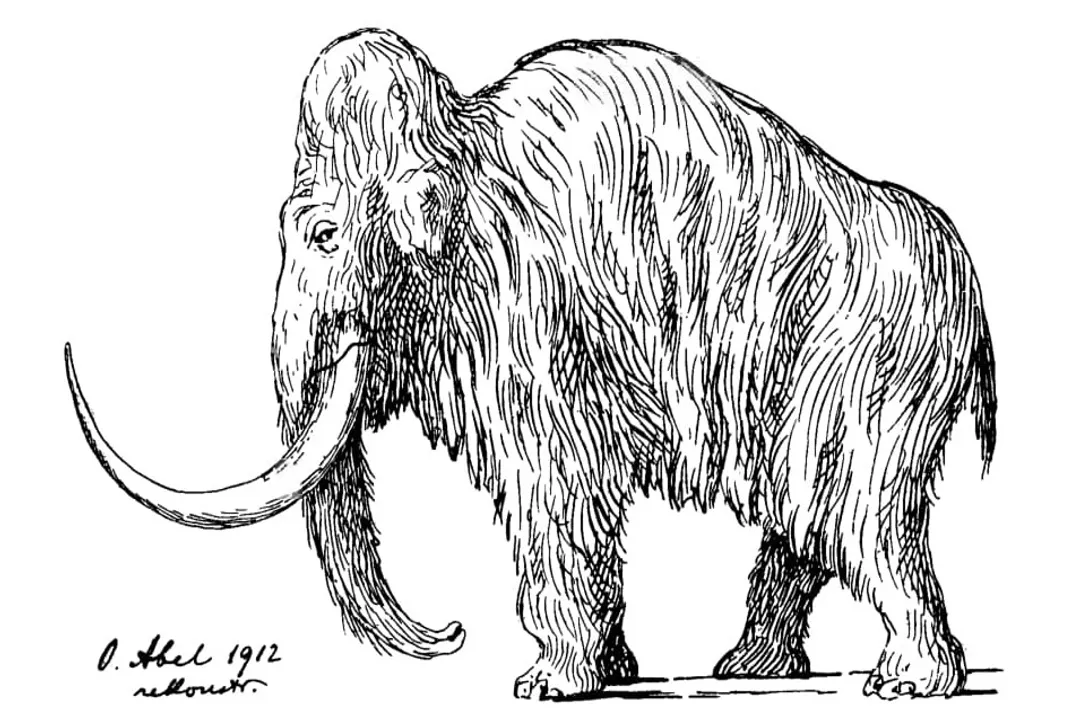
The journey to understand the Woolly Mammoth, that iconic behemoth of the Pleistocene, begins not in frozen Siberian permafrost, but deep within the structured logic of biological classification. Pinpointing exactly where this magnificent creature fits into the grand tree of life requires traversing the established ranks of taxonomy, a system designed to categorize life based on shared ancestry and traits. While popular culture often groups them simply as "extinct elephants," their scientific designation, Mammuthus primigenius, tells a much more precise story about their evolutionary cousins and deep history.
# Life Kingdom
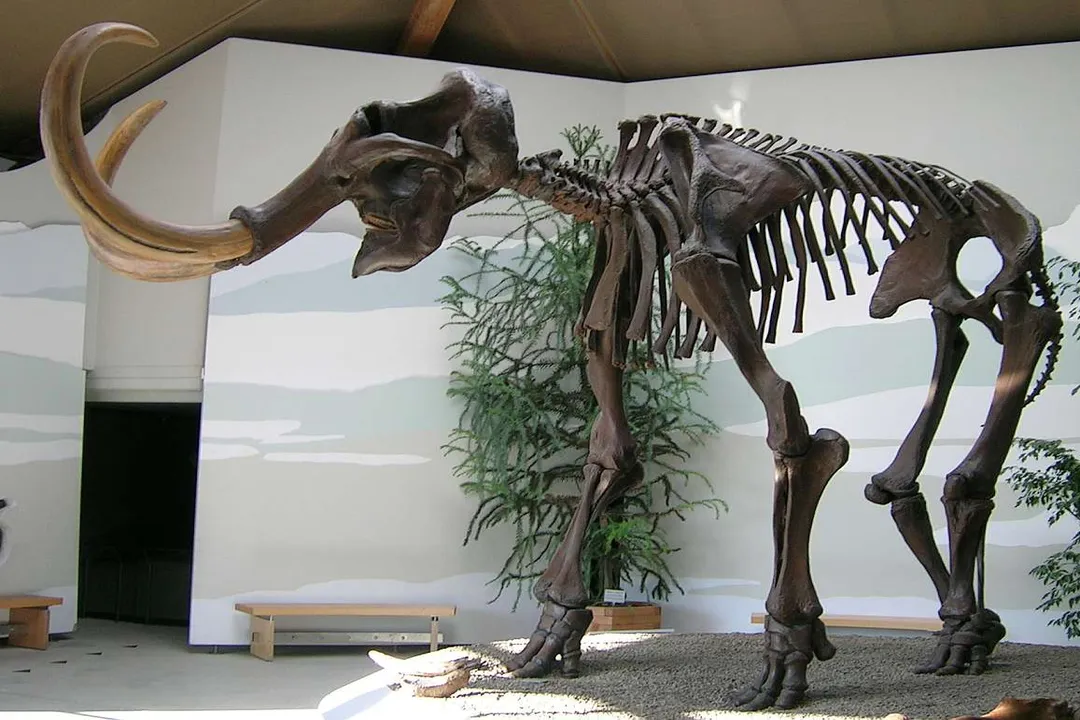
At the most expansive level of organization, the Woolly Mammoth resides firmly within the Kingdom Animalia. This classification immediately tells us that the animal was multicellular, heterotrophic—meaning it consumed other organisms for energy—and possessed specialized sensory organs and the ability to move. This broad grouping separates the mammoth from plants, fungi, and bacteria, placing it alongside everything from jellyfish to blue whales.
# Phylum Chordata
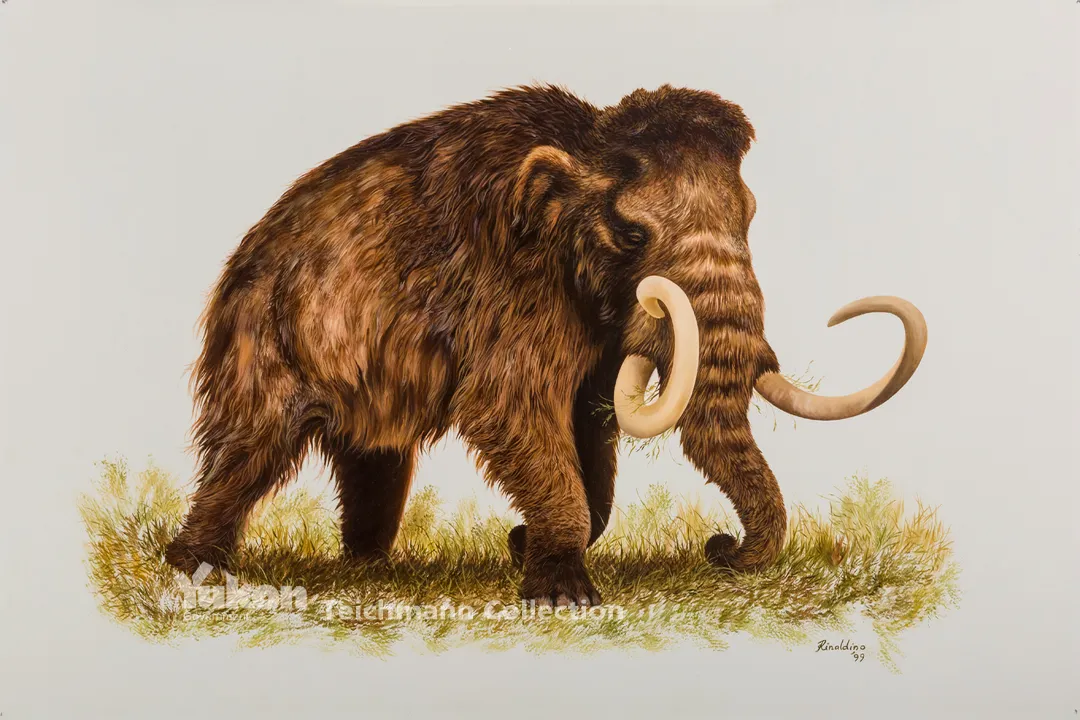
Moving inward, the Woolly Mammoth belongs to the Phylum Chordata. This is a defining group, characterized by having, at some point in their life cycle, a notochord, a dorsal hollow nerve cord, pharyngeal slits, and a post-anal tail. For the mammoth, this meant it possessed a vertebrate backbone, positioning it within the subphylum Vertebrata, linking it to fish, birds, reptiles, and modern mammals.
# Class Mammalia
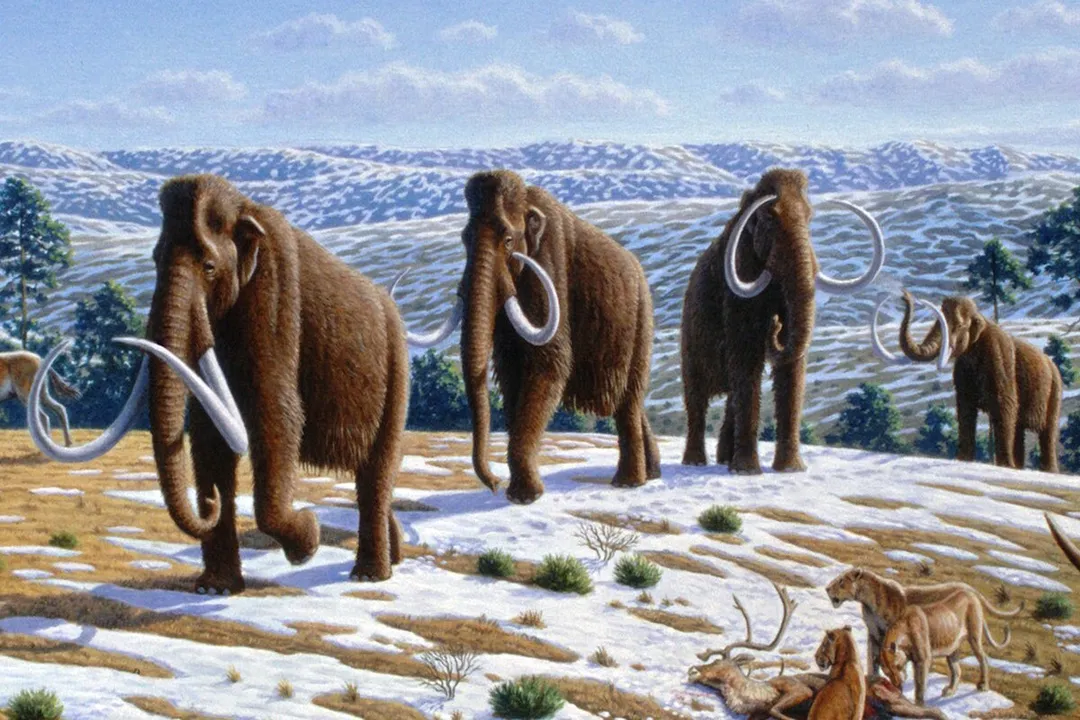
The next significant step places the Woolly Mammoth into the Class Mammalia. This is where we start seeing traits familiar to modern animal lovers. Mammals are defined by several key features: they are warm-blooded (endothermic), they possess hair or fur—a critical adaptation for the Woolly Mammoth’s frigid environment—and, perhaps most uniquely, the females nurse their young with milk produced by mammary glands. These characteristics immediately group the mammoth with modern elephants, though it is separated by its ancient status.
# Order Proboscidea
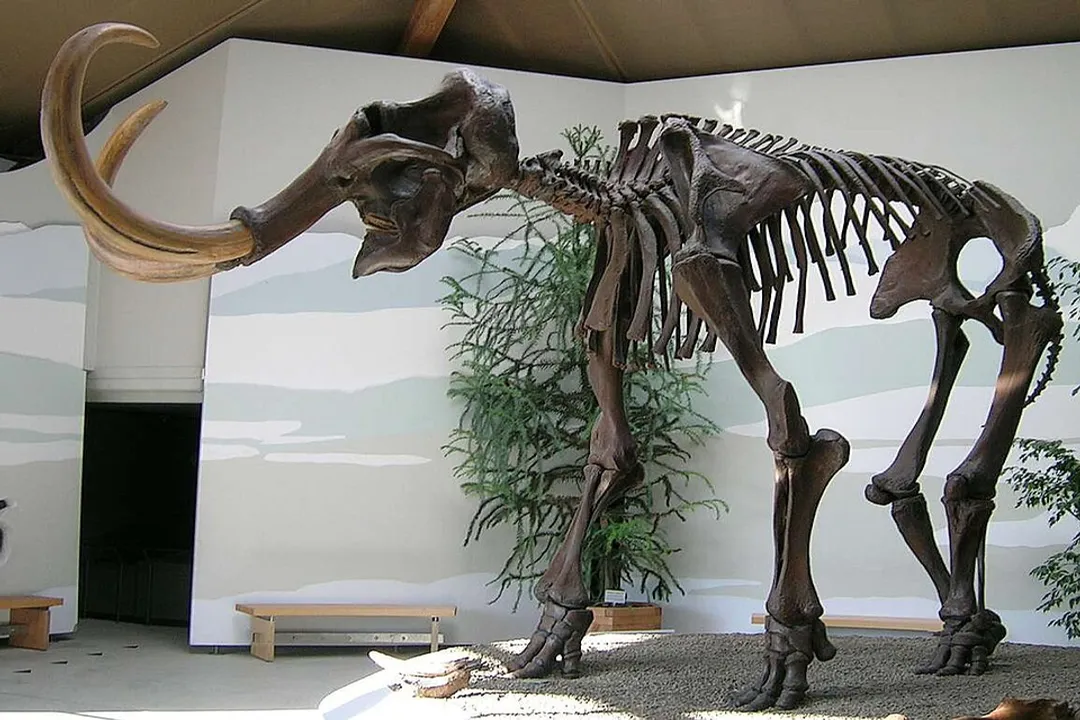
The Order Proboscidea is the grouping that truly sets the Woolly Mammoth apart from most other mammals, such as ungulates or carnivores. This order is instantly recognizable as it contains all elephants and their extinct relatives, defined by the presence of a proboscis—the highly specialized, elongated nose we call a trunk. The trunk served as a multi-purpose tool for breathing, smelling, touching, grasping, feeding, and drinking. While the mammoth shared this order with modern elephants, its membership here confirms its specialized adaptation to the Pleistocene megafauna assemblage.
# Family and Genus
Within Proboscidea, the classification narrows down further into the Family Elephantidae. This family includes all true elephants, both living and extinct, encompassing mammoths (Mammuthus), straight-tusked elephants (Palaeoloxodon), and modern elephants (Loxodonta and Elephas). The Woolly Mammoth’s placement here confirms its close evolutionary relationship with living elephants.
The subsequent step is the Genus: Mammuthus. This is the genus specific to the mammoths—large, extinct proboscideans characterized by their massive size, heavily curved tusks, and adaptation to cold climates. A fascinating point of comparison arises here: modern African elephants belong to Loxodonta, and Asian elephants belong to Elephas. The Woolly Mammoth, Mammuthus, is recognized as being genetically closest to the modern Asian elephant species (Elephas maximus).
# Defining the Species
The final, most specific designation is the species: Mammuthus primigenius. This binomial nomenclature, first assigned by Blumenbach in 1799, precisely identifies the Woolly Mammoth. The species name primigenius translates roughly to "first-born" or "primeval," fitting for a creature so emblematic of the Ice Age.
| Taxonomic Rank | Classification | Defining Trait/Context | Citation |
|---|---|---|---|
| Kingdom | Animalia | Multicellular, heterotrophic life | |
| Phylum | Chordata | Possesses a notochord/backbone | |
| Class | Mammalia | Hair/Fur, milk production, warm-blooded | |
| Order | Proboscidea | Presence of a trunk (proboscis) | |
| Family | Elephantidae | True elephants, living and extinct | |
| Genus | Mammuthus | Mammoth lineage, curved tusks | |
| Species | M. primigenius | The Woolly Mammoth |
This consistent hierarchical structure is invaluable when scientists discuss ancient remains. For researchers delving into ancient DNA, the standardized taxonomy ensures that when one references the species ID or its taxonomic identifier—like the NCBI taxonomy ID 37349—there is no confusion about which extinct megafauna is being discussed, regardless of local dialect or common naming conventions. This absolute specificity is vital when cross-referencing genetic libraries containing sequences from specimens preserved in ice or permafrost.
# Ancestral Links and Taxonomy Depth
While the primary focus is M. primigenius, the classification system hints at the broader family tree. The genus Mammuthus includes several species, such as the Columbian Mammoth (M. columbi) and the Steppe Mammoth (M. trogontherii), which occupied different geographical ranges or time periods. Understanding the exact species classification allows researchers to draw evolutionary lines, for instance, noting that the Woolly Mammoth is considered a descendant of the Steppe Mammoth, having evolved specific adaptations for the colder glacial environments.
When working with classification data, especially for extinct organisms, it is beneficial to recognize how different databases structure this information. For example, some scientific records might present the lineage down to a specific sequence accession number, which then links back up through the genus, family, and order. For the layperson, recognizing that the genus Mammuthus split from the line leading to modern African elephants (Loxodonta) millions of years ago, while retaining a more recent common ancestor with Asian elephants (Elephas), clarifies why certain skeletal or genetic markers might align more closely with one living relative over the other. The fact that the Woolly Mammoth's tusks curved outward and then backward, a distinct feature from the straighter tusks of some other mammoth species, is a morphological trait used historically to separate the genus and species before modern genetic analyses confirmed these relationships.
# Deeper Context of Classification
The high level of agreement across general knowledge sources, simple encyclopedias, and database taxonomies demonstrates a high degree of confidence in the placement of M. primigenius within the Elephantidae family. What these classifications do not always immediately convey is the sheer temporal scale involved. The Order Proboscidea is ancient, having appeared in the fossil record tens of millions of years ago. Placing the Woolly Mammoth, which thrived in the Pleistocene epoch, within this long lineage underscores its relatively recent evolution within a very old order.
Considering the consistent classification across these diverse sources—from general encyclopedic entries, to simplified overviews for younger readers, to formal database taxonomies—it highlights a point about paleontological consensus. When an extinct species has such a well-defined morphology and a large number of specimens, its placement at the family and genus level often becomes quite stable, even if the specific relationship between, say, M. primigenius and M. columbi might be subject to periodic revision based on new fossil finds or genetic sequencing. The scientific classification acts as a universal anchor for all subsequent studies, whether they focus on diet, habitat, or eventual extinction causes.
For instance, a researcher examining the skeletal remains found in the Blackwater Draw in New Mexico, a location associated with megafauna finds, uses the established classification to immediately contextualize those bones: they are not merely large ancient mammals, but specifically members of the Mammuthus genus adapted to Ice Age conditions, likely M. primigenius or its close relative M. columbi. This precise labeling is the key to accessing the right body of prior research concerning morphology, distribution, and behavior for that specific lineage.
The consistency in classification also allows for simplified data handling in biological surveys. When querying large biodiversity databases, using the scientific name Mammuthus primigenius yields precise results, whereas using a common name like "Woolly Mammoth" could sometimes accidentally pull in related but distinct extinct species if the database is not perfectly curated, demonstrating why the formal Linnaean system remains indispensable. It is this commitment to hierarchical accuracy that permits a scientist studying Siberian mammoth fur to share data confidently with a paleontologist analyzing North American jawbones—they are both referring to the same classified entity.
Related Questions
#Citations
Woolly mammoth - Wikipedia
Woolly mammoth - Simple English Wikipedia, the free encyclopedia
Woolly Mammoth - Bering Land Bridge National Preserve (U.S. ...
Woolly Mammoth Mammuthus primigenius [extinct] - iNaturalist
Mammuthus primigenius - NCBI - NLM - NIH
Taxonomy & History - Extinct Columbian (Mammuthus columbi) and ...
Woolly mammoth - New World Encyclopedia
Woolly mammoth Facts for Kids
Siberian Woolly Mammoth (Mammuthus primigenius) - Elephant.se
# **Woolly mammoth** (*Mammuthus primigenius*) - Facebook