Whippet Scientific Classification
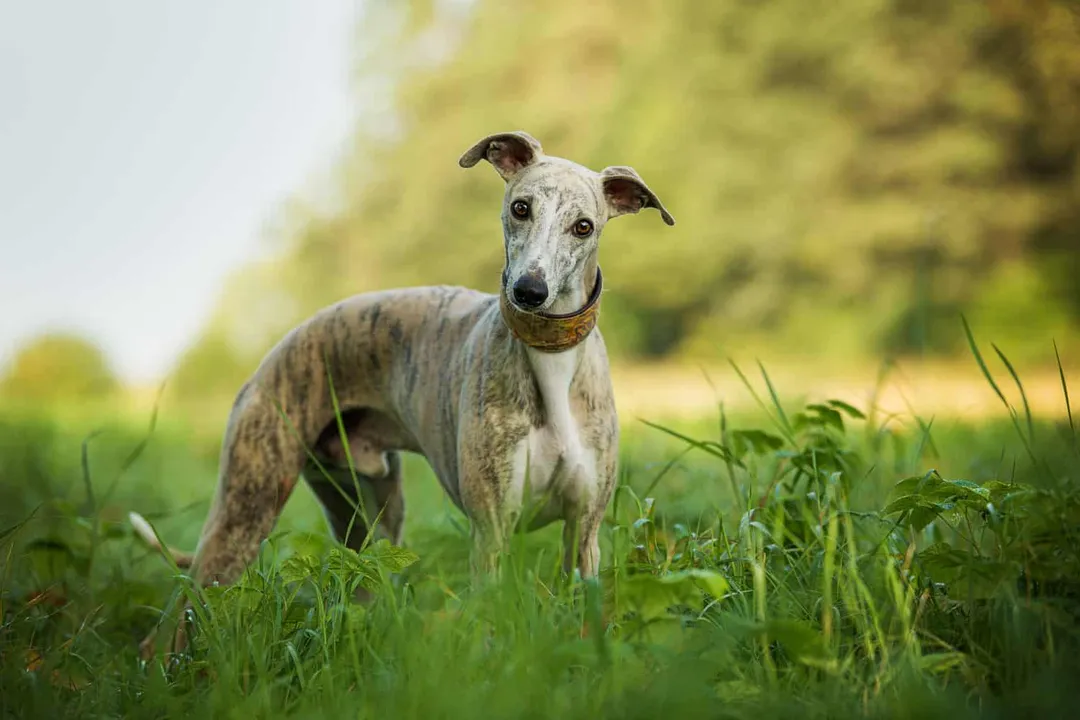
The elegant Whippet, often admired for its lightning-quick sprints and gentle demeanor, sits firmly within the established scientific hierarchy that governs all life on Earth. To truly appreciate this breed, one must trace its lineage from the broadest categories down to the specific designation of Canis lupus familiaris. This process, known as scientific classification, places the Whippet within a structure that reveals its deep evolutionary history alongside all other known life forms.
# Kingdom Life
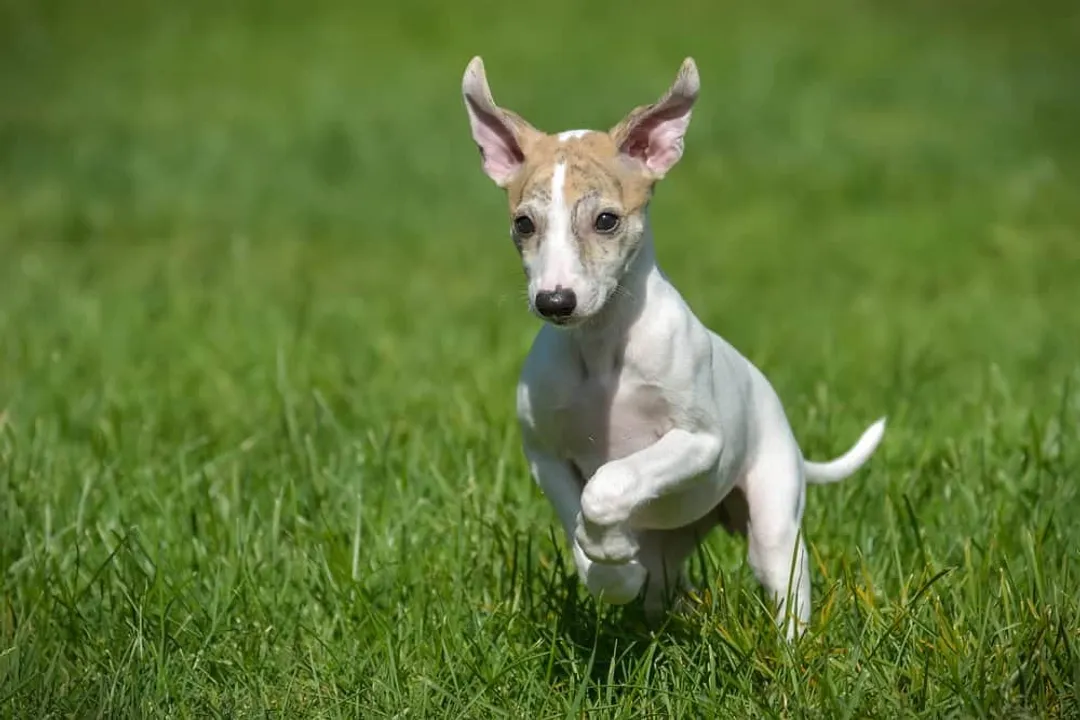
At the very top of the organizational chart, the Whippet belongs to the Kingdom Animalia. This classification immediately separates it from plants, fungi, and bacteria, placing it among multicellular, eukaryotic organisms that derive energy by consuming other organisms. This fundamental grouping is shared by every dog, cat, bird, and human in existence, signifying a shared origin as motile heterotrophs.
# Phylum Chordata
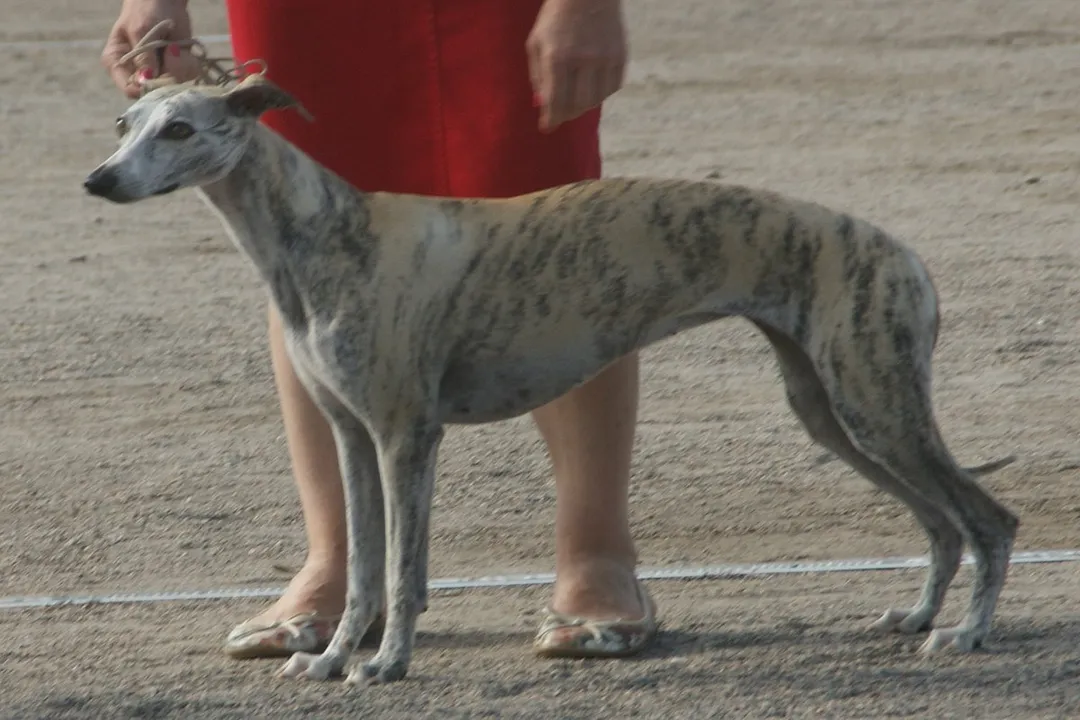
Moving inward, the next major grouping is the Phylum Chordata. Animals in this phylum are characterized by possessing, at some stage of development, a notochord—a flexible rod providing skeletal support—along with a dorsal nerve cord, pharyngeal slits, and a post-anal tail. This phylum is significant as it contains the most highly evolved animals, including all vertebrates. The Whippet, being a dog, is a vertebrate, fitting neatly into this large branch of the animal kingdom.

# Class Mammalia
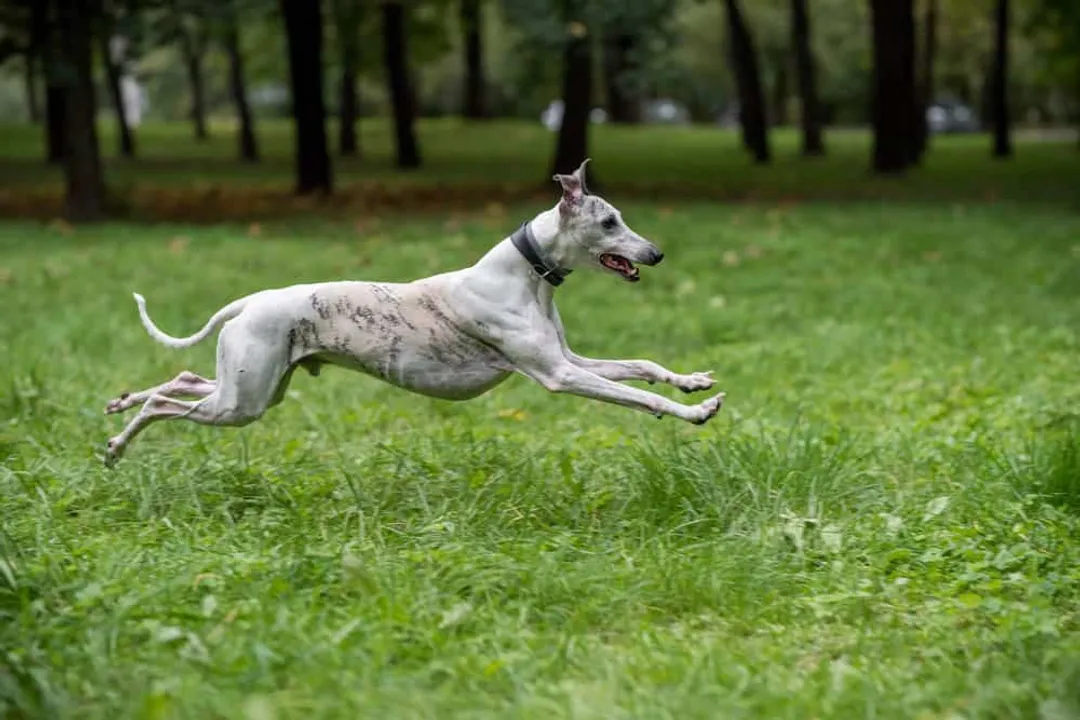
Within Chordata, the Whippet falls into the Class Mammalia. This group is defined by several key characteristics, the most notable of which is the nourishment of the young via milk produced by specialized mammary glands. Mammals are also typically warm-blooded, possess hair or fur, and breathe air using lungs. More specifically, Whippets belong to the group of placental mammals, meaning their young develop within the mother's uterus nourished by a placenta.
# Order Carnivora
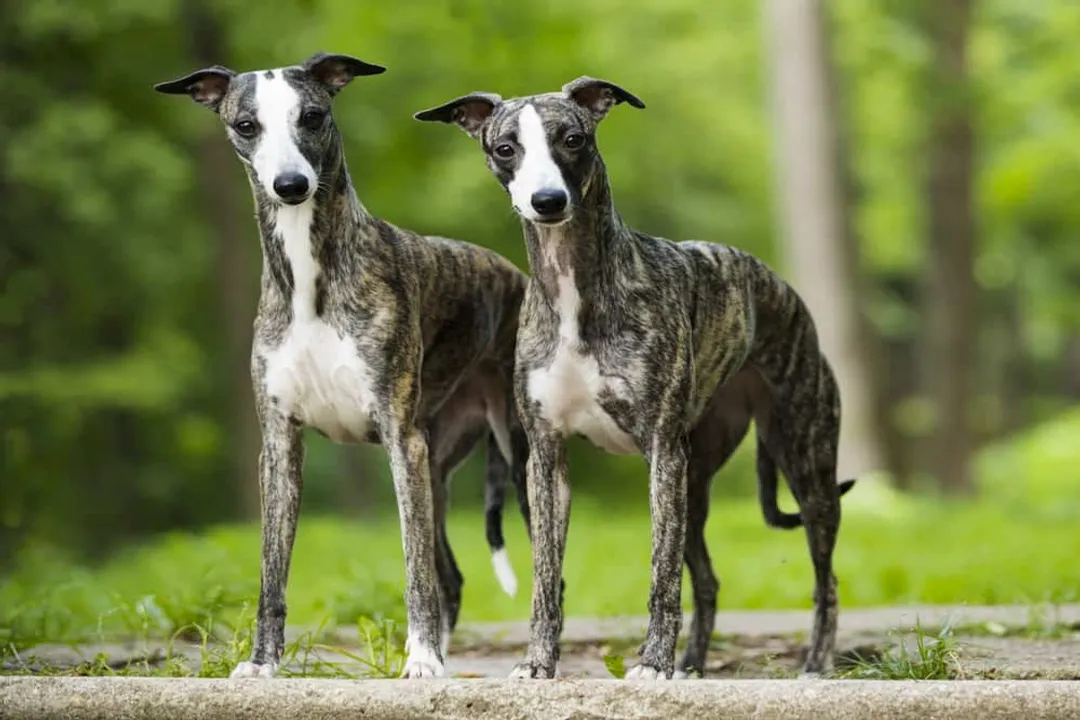
The classification continues into the Order Carnivora. Despite the domestic dog's omnivorous tendencies in modern diet, this order is historically defined by flesh-eating ancestry. Whippets share this order with bears, seals, and other carnivorous mammals. Crucially, this places the Whippet alongside its immediate relatives in the family structure.
# Family Canidae
The narrowing focus now brings us to the Family Canidae. This family encompasses the members of the dog family, including foxes, jackals, and wolves. Canids are generally described as slender, long-legged animals found worldwide, adapted for running and hunting. The shared traits within Canidae explain the Whippet’s innate drive to chase, which is a strong hereditary trait inherited from its lineage.
# Genus and Species
The next step leads to the Genus Canis. This genus contains the most familiar canids, with the Whippet being classified under the species Canis lupus. The common, overarching classification for the domestic dog is the subspecies designation: Canis lupus familiaris. It is at this level, immediately below the species designation, that the taxonomic path begins to heavily overlap with virtually all other recognized dog breeds.
While the Kingdom to Order classification shows the Whippet's deep shared heritage with all mammals and carnivores, the true delineation of the breed comes from the final, artificial classification step: the breed itself. The fact that the Whippet is considered a subspecies of Canis lupus highlights that its unique characteristics—its speed, structure, and temperament—are the result of intense, targeted selection over a relatively short period compared to the millions of years it took to establish the higher ranks. The development of the Whippet by Victorian English miners to create a faster, smaller, and more economical version of the Greyhound illustrates how human intervention can rapidly shape a population within a fixed species structure.
# Hound Grouping
For practical purposes outside of formal biology, kennel clubs group breeds based on function and heritage. The Whippet is officially classified by the American Kennel Club (AKC) in the Hound Group. This group shares traits related to hunting, whether by scent or by sight. As a sighthound, the Whippet is built for speed and visual pursuit. Other sighthounds, like the Greyhound and the much smaller Italian Greyhound, are clearly related in form and function.
| Taxonomic Rank | Classification | Source of Shared Traits |
|---|---|---|
| Kingdom | Animalia | Multicellular, consumes food |
| Phylum | Chordata | Possesses a backbone (Vertebrate) |
| Class | Mammalia | Nurses young with milk |
| Order | Carnivora | Ancestral carnivorous characteristics |
| Family | Canidae | Shared traits with foxes and wolves |
| Genus | Canis | Close relation to wolves and coyotes |
| Species | Canis lupus | Domesticated descendant of the wolf |
| Subspecies | C. l. familiaris | The domestic dog |
Understanding the physiological requirements that stem from this specific lineage offers an interesting point of practical application for owners. Because the Whippet is fundamentally a sighthound, selected for lean muscle mass and speed, it carries very low body fat. This characteristic, which falls within the metabolic specialization of the Carnivora order as it applies to their sighthound subset, has direct medical implications. Specifically, due to this low fat concentration and the metabolic capacity of their liver, Whippets are known to be intolerant of certain anesthetics, particularly barbiturates. Responsible care, therefore, means owners must ensure any veterinarian treating their dog is aware of this sensitivity to avoid adverse reactions during procedures, a direct consequence of the physical traits bred into this particular subspecies.
# Historical Context in Classification
The development of the Whippet demonstrates how distinct populations within Canis lupus familiaris are solidified into recognizable breeds through historical necessity and function. While the exact ancestral breeds are not universally agreed upon, the consensus points toward the Greyhound being the template. Miners in 19th-century Northern England required a fast dog for hunting rabbits and amateur racing but could not afford the upkeep of a full-sized Greyhound. This led to the intentional selection and breeding of smaller hounds.
Interestingly, early Whippets included a rough-coated variety resulting from crossbreeding with Bedlington Terriers, a population sometimes referred to as a 'rabbit dog'. This historical divergence shows that even within the modern C. l. familiaris subspecies, there were temporary, function-driven variations that did not become part of the standard smooth-coated Whippet we recognize today. The very name "Whippet" may derive from an archaic term meaning "to move briskly" or "a small dog that yaps" (whappet). The refinement of the smooth-coated type led to its official recognition by the AKC in 1888, cementing its official status within the world of purebred dogs.
The Whippet’s classification, therefore, is a multi-layered story. Biologically, it shares the vast majority of its taxonomy with the gray wolf, confirming its status as a domesticated subspecies. Culturally and functionally, however, its specific place in the Hound Group, its lean, aerodynamic conformation, and its incredible top speed of around 35 mph are markers of specialized artificial selection within the last few centuries. For anyone observing a Whippet stretch out after an intense sprint, that streamlined sighthound design is the most observable evidence of its highly specific place on the evolutionary and cultural tree.
Related Questions
#Citations
Whippet
Whippet Dog Breed Complete Guide
Whippet
Whippet Dog Breed Information
whippet - Students | Britannica Kids | Homework Help
whippet
Whippet Facts - Dog Breeds
Whippet
Whippet | Animal Database | Fandom