What specific predatory adaptation defines the Family Dysderidae placement of *Dysdera*?
Answer
Powerful chelicerae designed to pierce tough woodlouse cuticles.
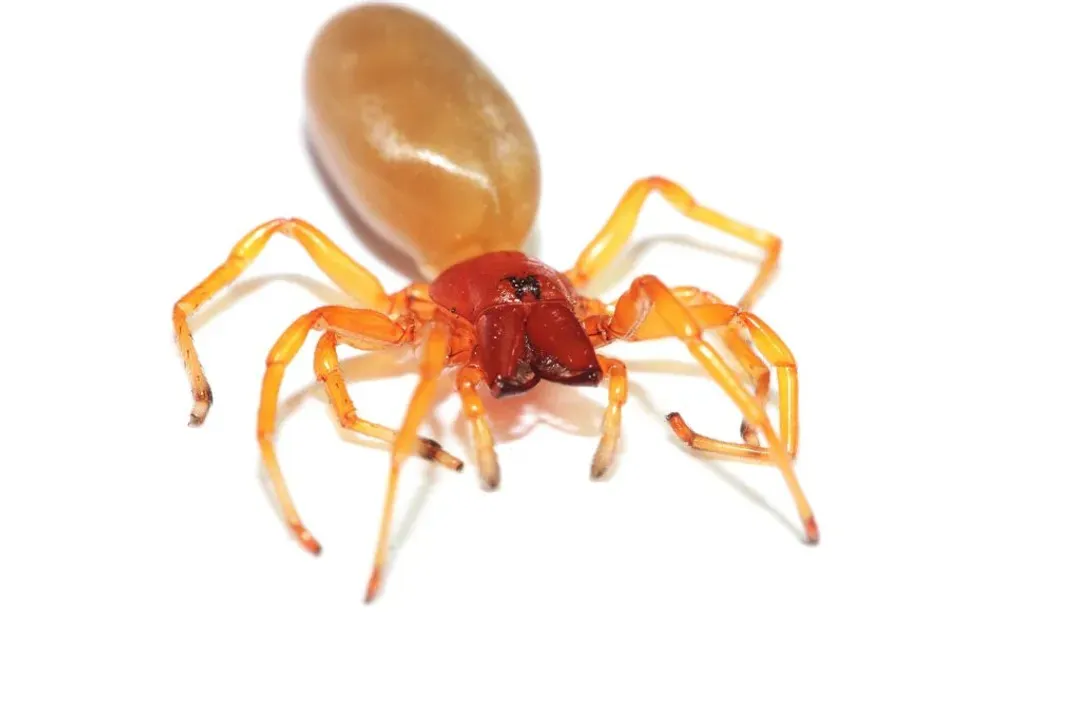
Moving to the Family Dysderidae narrows the classification based on shared evolutionary traits and ecological niches. For spiders in this group, a crucial defining feature is their specialized predatory apparatus, specifically powerful chelicerae (fangs). These fangs are adapted not just for injecting venom but for physically piercing the hard, protective outer cuticle of their preferred prey, which, for the Woodlouse Hunter Spider, is the woodlouse or pill bug. This adaptation dictates their preference for nocturnal, ground-dwelling hunting in damp environments, contrasting with families specializing in softer-bodied prey or web-based capture.
Related Questions
What fundamental characteristic defines the Kingdom Animalia placement of the Woodlouse Spider?Which anatomical features characterize the Phylum Arthropoda classification of *Dysdera*?What distinguishes Class Arachnida membership for the Woodlouse Hunter Spider?What specialized organ unites members of the Order Araneae, including *Dysdera*?What specific predatory adaptation defines the Family Dysderidae placement of *Dysdera*?What general morphology is consistently found across species in the Genus *Dysdera*?What does the specific epithet *crocata* in *Dysdera crocata* primarily refer to?How does placement in Phylum Arthropoda refine the *Dysdera* classification from Kingdom Animalia?Why are the large, protruding chelicerae of *Dysdera crocata* significant taxonomically?How does the *Dysdera* spider's use of silk contrast with general traits of Order Araneae?