What general morphology is consistently found across species in the Genus *Dysdera*?
Answer
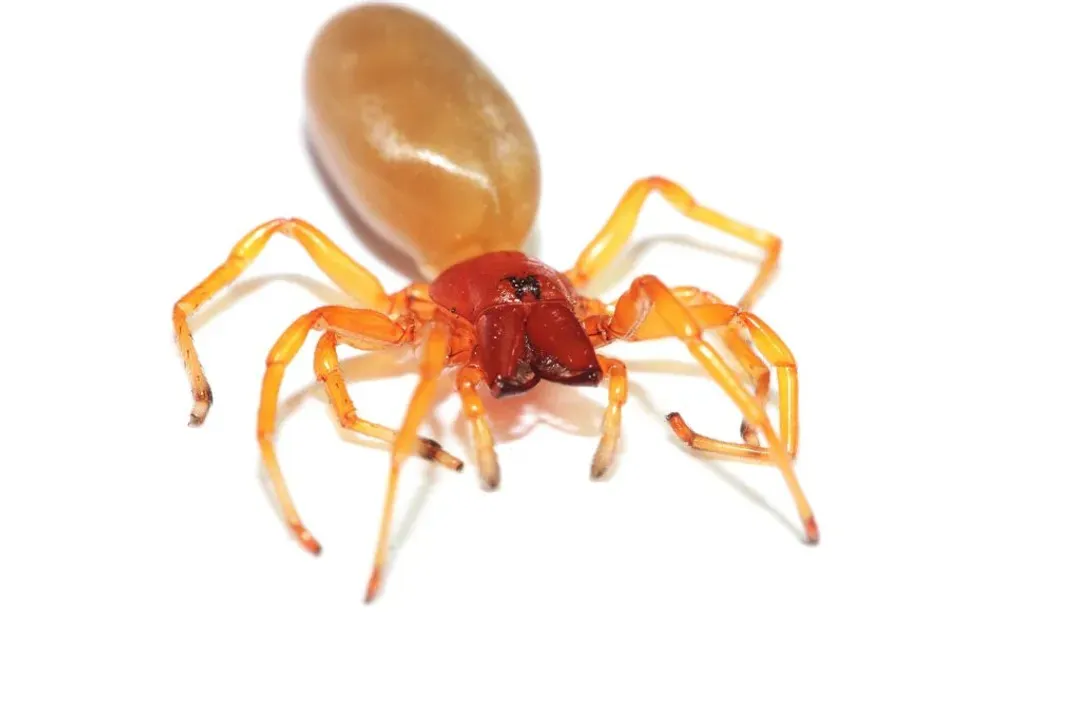
Robust builds, often with a glossy appearance, adapted for ground-based existence.
The Genus *Dysdera* collects species that share a very recent common ancestry, leading to high morphological similarity beyond just the family traits. Members of this genus are consistently characterized by a robust physical build and often possess a glossy exterior. This morphology is indicative of their ecological strategy: they are adapted for a ground-based, tactile lifestyle, relying on physical strength and direct confrontation rather than the delicate structures needed for sensing vibrations across aerial webs. This structure supports their family-level adaptation for hunting armored prey on uneven terrain.
Related Questions
What fundamental characteristic defines the Kingdom Animalia placement of the Woodlouse Spider?Which anatomical features characterize the Phylum Arthropoda classification of *Dysdera*?What distinguishes Class Arachnida membership for the Woodlouse Hunter Spider?What specialized organ unites members of the Order Araneae, including *Dysdera*?What specific predatory adaptation defines the Family Dysderidae placement of *Dysdera*?What general morphology is consistently found across species in the Genus *Dysdera*?What does the specific epithet *crocata* in *Dysdera crocata* primarily refer to?How does placement in Phylum Arthropoda refine the *Dysdera* classification from Kingdom Animalia?Why are the large, protruding chelicerae of *Dysdera crocata* significant taxonomically?How does the *Dysdera* spider's use of silk contrast with general traits of Order Araneae?