Writing Spider Scientific Classification
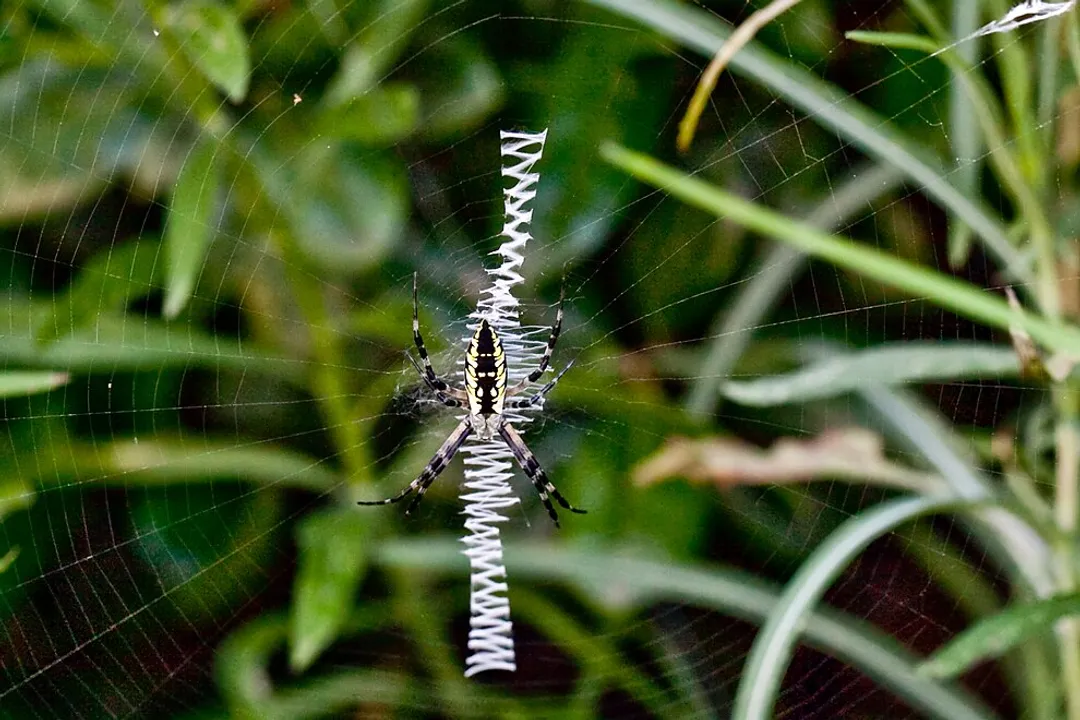
The creature often seen weaving those impressive, circular webs dotted with a distinctive zigzag pattern is known by several common names—the Black and Yellow Garden Spider, the Corn Spider, or the Zipper Spider. [1][4][5] However, to truly understand its place in the natural world, one must turn to its scientific classification, a precise system developed by Linnaeus that places every known organism into a nested hierarchy. [2] This formal naming system strips away regional commonality, offering a universal language for biologists, allowing for immediate recognition of its closest relatives and most distant ancestors based solely on its binomial name, Argiope aurantia. [3]
# Hierarchy Basis
The organization of life relies on ranks that move from the most general category to the most specific. [2] For Argiope aurantia, this journey begins broadly and narrows down through seven primary taxonomic ranks: Kingdom, Phylum, Class, Order, Family, Genus, and Species. [1][2] Each step down signifies that the organisms share more specific, derived characteristics with one another. [2]
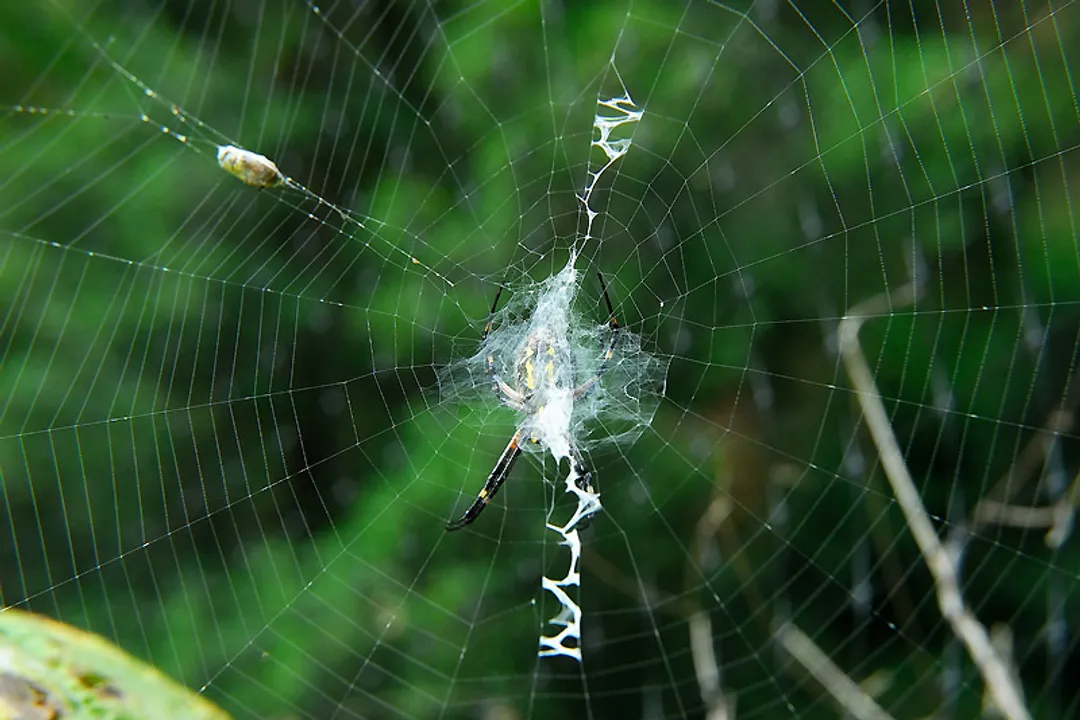
A quick comparison of the common name and the scientific name reveals an interesting disconnect in focus. While common names like "Writing Spider" point directly to its most observable behavior—the construction of the stabilimentum, the silken zigzag [4][5]—the specific epithet aurantia translates roughly from Latin to mean "golden" or "yellow," referencing its bright coloration. [1] This highlights how formal science prioritizes observable morphology or established etymological roots over current behavior when finalizing a species designation.
# Animal Life
The initial classification places Argiope aurantia in the Kingdom Animalia. [1][2] This kingdom is defined by multicellularity, heterotrophy (meaning it must consume other organisms for energy, unlike plants), and specialized tissues. [1]
Moving down, the spider belongs to Phylum Arthropoda. [1][2] This massive phylum groups together organisms that share key structural traits: a segmented body, paired jointed appendages, and a hard external skeleton called an exoskeleton. [1] Think of all insects, crustaceans, and arachnids; they are all unified by this chitinous outer casing.
The next critical step is Class Arachnida. [1][2] This class separates spiders from insects (Class Insecta) because arachnids possess distinct anatomical features. All members of Arachnida have four pairs of walking legs (eight total), a body divided into only two main sections (the cephalothorax and the abdomen), and they lack antennae and wings. [1][2] This grouping immediately distinguishes the Writing Spider from a grasshopper or a beetle.
# Spider Order
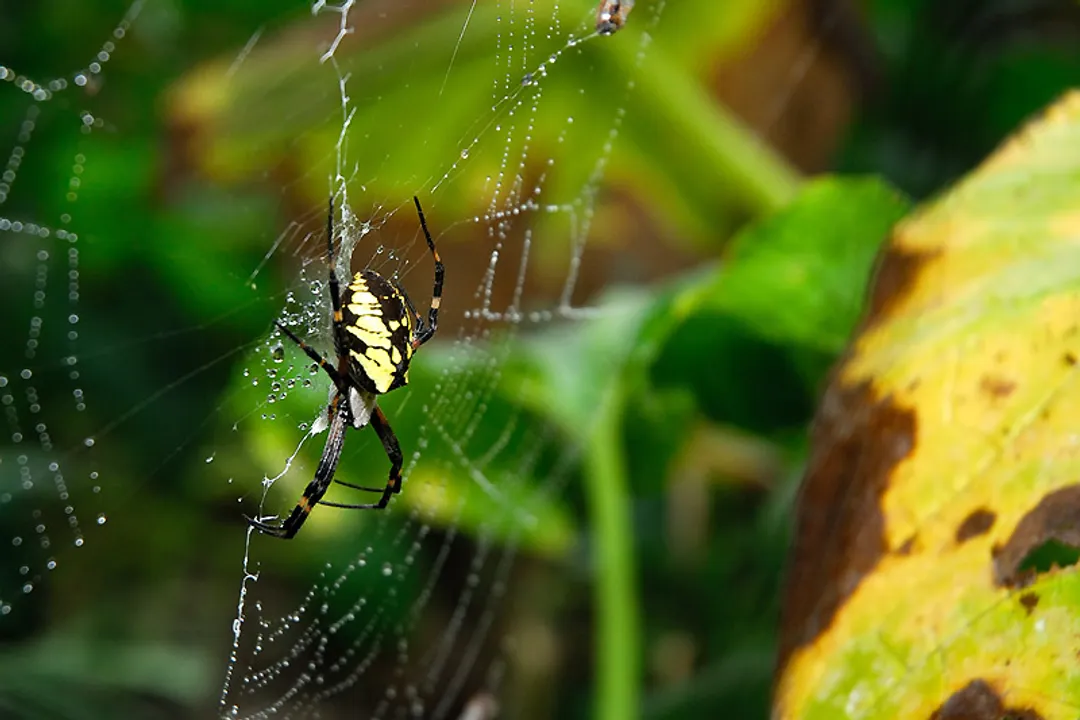
Within the Arachnida class, Argiope aurantia falls into Order Araneae. [1][2] This is the official designation for all spiders. [1] Members of Araneae are characterized by chelicerae tipped with fangs used to inject venom, and the presence of spinnerets located on the abdomen used to produce silk. [1][2] While some other arachnids produce silk, the structural complexity and versatile application of silk in Araneae is unique.
# Orb Weavers
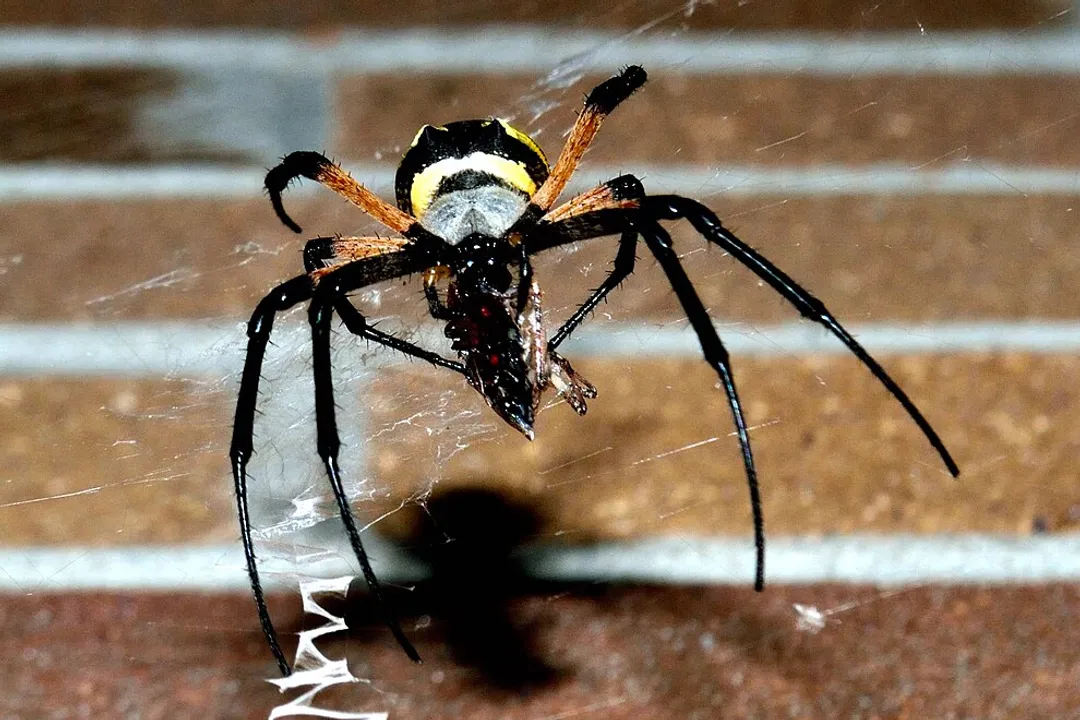
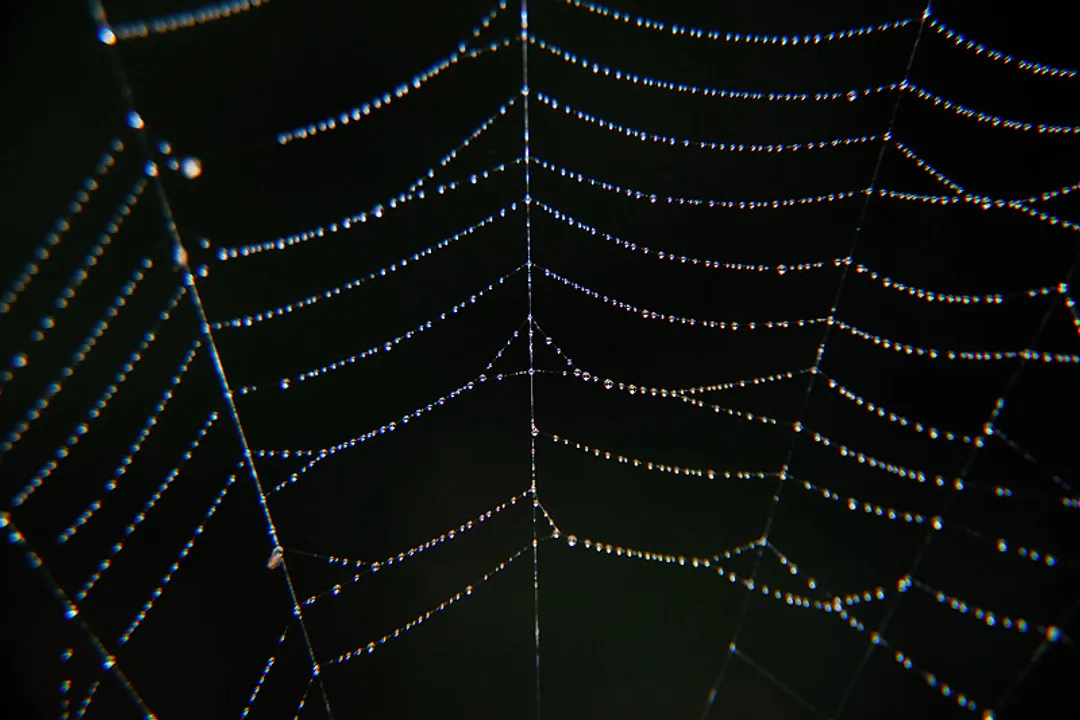
The classification continues into Family Araneidae. [1][2][3] This family is significant because it contains the classic "orb-weavers," which are known for constructing the familiar, spiral wheel-shaped webs. [2][3] The structure of the web itself is often conserved across members of this family, even if the size or decoration varies. Considering the sheer diversity of spiders—there are over 50,000 described species—being placed in Araneidae immediately tells a specialist that this spider employs an energy-intensive, highly organized hunting structure rather than using pitfall traps or catching prey on its legs. [1] This shared web-building strategy suggests a close evolutionary relationship among the members of this family.
# Genus Species
The two final ranks, Genus and Species, define the specific identity of the Writing Spider: Argiope is the genus, and aurantia is the species epithet. [1][2]
The Genus Argiope groups together large, brightly colored orb-weavers that often incorporate the stabilimentum (the zigzag decoration) into their webs. [1][5] Spiders in the same genus are closely related enough to share more specific morphological traits beyond just web shape; for Argiope, this often includes the distinctive coloration and the aggressive size dimorphism between sexes. [1]
Finally, Argiope aurantia designates this precise North American species. [1][3] This binomial nomenclature is the universally recognized scientific name, ensuring that a researcher in Florida, a field biologist in Oregon, or a taxonomist in Europe all refer to the exact same organism, regardless of local common names. [2] For instance, while Argiope argentata is a related species found in Central and South America, A. aurantia is generally restricted to North America. [1]
In summary, tracing Argiope aurantia through its scientific classification is more than just memorizing labels; it is following an evolutionary roadmap that confirms its place as a true, eight-legged, highly organized orb-weaving predator within the complex tree of life. [2]
Related Questions
#Citations
Argiope aurantia - Wikipedia
Argiope aurantia | INFORMATION - Animal Diversity Web
Yellow Garden Spider (Argiope aurantia) - iNaturalist
Writing spider - Argiope aurantia - BugGuide.Net
Writing Spider - Argiope aurantia - A-Z Animals
yellow garden spider (Argiope aurantia Lucas) - Insect Images
Argiope aurantia - Spiders of North Carolina
Yellow Garden Spider, Writing Spider Argiope aurantia (Lucas ...
The Writing Spider (Argiope aurantia) - Curbstone Valley Farm