How does placement in Phylum Arthropoda refine the *Dysdera* classification from Kingdom Animalia?
Answer
It specifies segmentation, chitin exoskeleton, and jointed appendages.
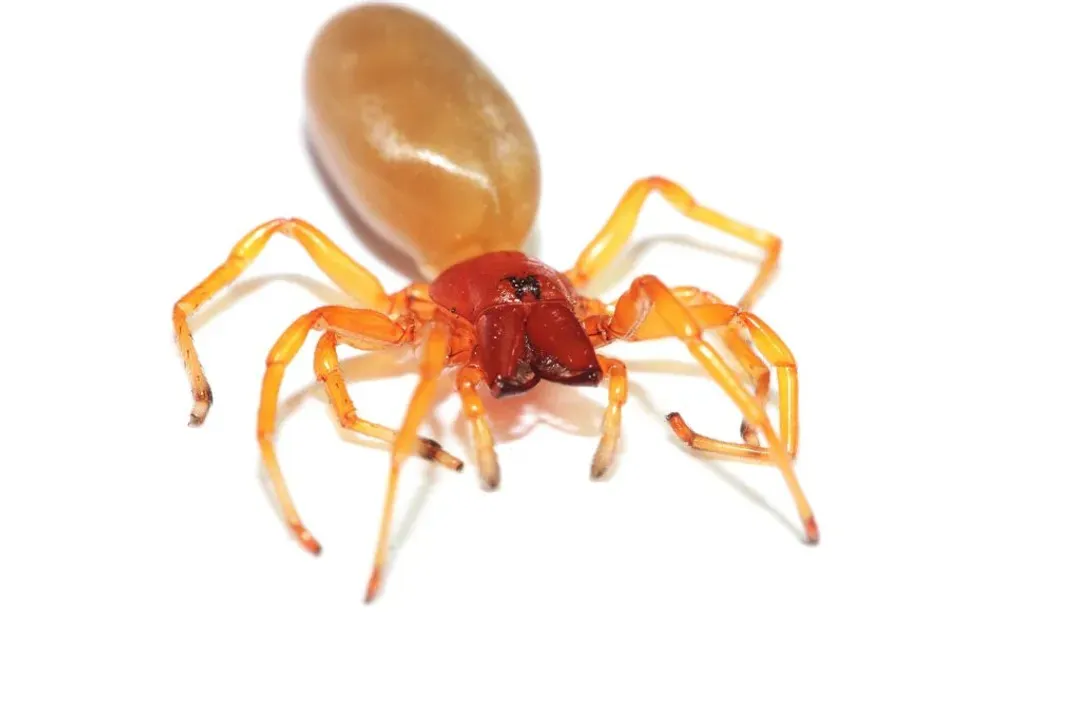
Kingdom Animalia is the broadest sorting category, confirming basic life requirements like being multicellular and consuming energy from others. Placement in Phylum Arthropoda signifies a massive refinement by imposing strict structural criteria. It demands the presence of a segmented body plan, the possession of a hard, protective external layer made of chitin, and the presence of jointed limbs, which are far more specific architectural details than those required for simple animal status. Silk production is a trait refined later at the Order level (Araneae), not by the Phylum.
Related Questions
What fundamental characteristic defines the Kingdom Animalia placement of the Woodlouse Spider?Which anatomical features characterize the Phylum Arthropoda classification of *Dysdera*?What distinguishes Class Arachnida membership for the Woodlouse Hunter Spider?What specialized organ unites members of the Order Araneae, including *Dysdera*?What specific predatory adaptation defines the Family Dysderidae placement of *Dysdera*?What general morphology is consistently found across species in the Genus *Dysdera*?What does the specific epithet *crocata* in *Dysdera crocata* primarily refer to?How does placement in Phylum Arthropoda refine the *Dysdera* classification from Kingdom Animalia?Why are the large, protruding chelicerae of *Dysdera crocata* significant taxonomically?How does the *Dysdera* spider's use of silk contrast with general traits of Order Araneae?