What is the Eclectus special diet?
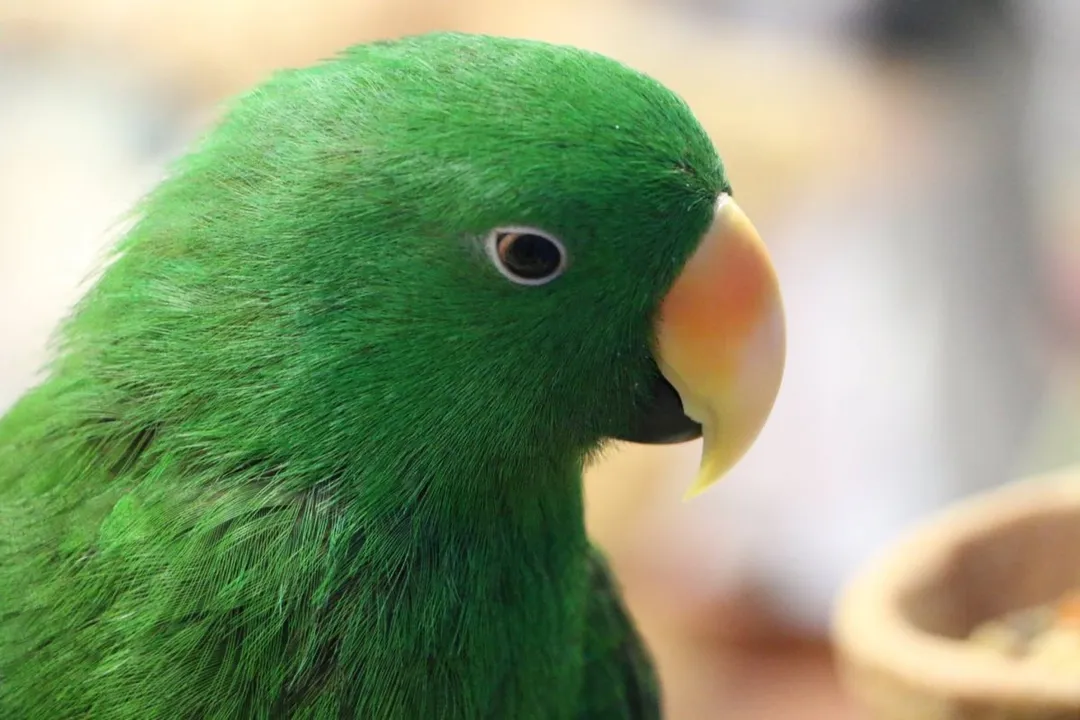
The vibrant Eclectus parrot, with its stunning sexual dimorphism—the male clad in emerald green and the female a striking red—is unlike many other companion parrots in the aviary, especially when it comes to nutrition. Caring for these spectacular birds begins and ends with understanding their highly specialized digestive system, which sets them apart from common granivores (seed eaters) like Macaws or Cockatoos. [7] A mistake in diet here is not just a matter of suboptimal health; it can directly lead to serious, life-shortening conditions. [5]
# Frugivore Origins
To feed an Eclectus correctly, one must look to the lush, tropical rainforests of their native range, spanning areas like New Guinea and the Solomon Islands. [5][7] In this environment, the Eclectus functions primarily as an arboreal generalist frugivore. [7] This means their wild menu is dominated by tree fruits, such as figs, supplemented with flowers, buds, and seeds they find in the canopy. [3][7] They are not ground-feeders by nature; observations of them foraging on the ground in the wild are rare, typically occurring only during severe drought. [3] This evolutionary history dictates a need for softer, less concentrated, nutrient-rich foods, contrasting sharply with the high-fat seed diets many other parrot species thrive on. [7]
# Digestive Sensitivity
The core difference in care revolves around their unique digestive tract. [7] Eclectus parrots are equipped to absorb vitamins, minerals, and other nutrients much more efficiently than parrots accustomed to drier seed diets. [4] This efficiency can become a liability when presented with commercially prepared, vitamin-enriched foods. [4] The risk here is hypervitaminosis, an overdose where the body stores, rather than utilizes, excess concentrated vitamins, particularly Vitamin A. [4][7] This accumulation can result in severe health markers, including discolored feathers, skin issues, and neurological signs like toe-tapping or wing-flipping. [4][7] Even dyed pellets, especially red ones, are noted as being poorly tolerated. Some long-held beliefs suggest this sensitivity stems from an unusually long gastrointestinal tract that extracts too much from dense foods. [7] However, emerging viewpoints argue their specialized upper digestive anatomy is adapted for rapid digestion of fruit pulp, suggesting the concentration of nutrients is the issue, not necessarily tract length alone. [7] Regardless of the precise physiological explanation, the takeaway for the caregiver is clear: avoid enriched foods and synthetic overload. [7]
# The Core Diet
The consensus among experts is that the captive diet must be founded on fresh, raw foods to provide necessary nutrients in their natural, bioavailable form, helping to prevent hypervitaminosis. [5][7] While diet ratios vary slightly across experienced sources, the emphasis is overwhelmingly on high produce intake. [2][4]
A good starting point for daily allocation suggests that 60% to 80% of the bird's intake should be fresh fruits and vegetables. One expert recommends structuring the entire diet as:
- 60% Fresh Fruit and Vegetables. [2]
- 20% Sprouted Seed/Legumes/Pulses. [2]
- 20% Cooked or Hot Meal (for protein supplementation, especially during moulting). [2]
Another framework suggests an 80% raw/prepared vegetable, fruit, and sprout base, reserving the remaining 20% for all-natural pellets (without added vitamins/minerals), nuts, and treats. [4] This immense volume of fresh food is necessary because the parrot requires significant bulk and fiber from low-energy-density sources to meet its needs. [3] To put the volume in perspective: while a smaller parrot might receive only a few tablespoons of fresh chop, an Eclectus owner should anticipate that their bird will consume a bowl filled to the brim daily, indicating a need for quantities significantly higher than one might expect for other parrot species accustomed to eating primarily seeds. [2][3] Furthermore, it is often recommended to maintain a ratio within the produce itself that favors vegetables over fruit, perhaps aiming for two parts vegetables to one part fruit, to mitigate excessive sugar intake which can trigger hormonal behaviors. [2]
# Produce Pyramid
Variety is the secret to covering all nutritional bases. A diverse mix ensures the bird receives a broad spectrum of vitamins and minerals, preventing reliance on a single source. [5]
# Vitamin A Sources
Eclectus parrots are frequently found to be deficient in Vitamin A, making daily inclusion of this nutrient critical for health. [4] Excellent sources that should be daily staples include:
- Orange/Red Produce: Carrots, sweet potatoes, cantaloupe, mango, and papaya. [4][5]
- Dark Leafy Greens: Kale, spinach, mustard greens, collards, and dandelion (including the roots and flowers). [4][5][8]
# Safe Foods List
The general rule of thumb for all human-grade produce is: if you wouldn't happily eat it, don't feed it to your bird. [2][3]
| Category | Recommended Examples | Notes |
|---|---|---|
| Vegetables | Broccoli, cauliflower, bell peppers (capsicum), celery, zucchini, peas, asparagus | Red chilies are safe as parrots cannot taste the heat. [2] |
| Fruits | Berries (blueberries, strawberries), kiwi, banana, pomegranate, guava, melon | Fruits are generally enjoyed ripe but not spoiled or "seconds" from markets. [2] |
| Legumes/Pulses | Chickpeas, lentils, mung beans, black-eyed peas | These are excellent additions for variety and protein, especially when cooked or sprouted. [7] |
# Foods to Strictly Avoid
Several common items are toxic or detrimental to Eclectus health:
- Avocado: The flesh and seed contain toxins deadly to birds. [2]
- Seeds/Pits: Apple seeds and pits from stone fruits like cherries or peaches must be removed, as they can be unsafe. [2][5]
- Processed Items: Chocolate, alcohol, dairy products (milk can cause impaction), and any food containing MSG, preservatives, or artificial flavors. [2]
- Other Hazards: Rhubarb, onions, and garlic are typically excluded. [2] Lettuce is often avoided due to its poor nutritional value and potential to cause diarrhea/dehydration. [2]

# Cautious Carbohydrates
Because of their sensitivity, seeds and pellets should not form the basis of the Eclectus diet.
Seed mixes are problematic because they are typically high in fat, and commercial mixes often contain nuts which can push the bird past their recommended fat intake limit of around 6%. [3] Furthermore, many standard mixes may contain GMO seeds grown for oil production, posing unknown long-term risks. If seeds are offered, they should be limited and ideally sprouted or soaked/germinated first. This process makes them easier for the sensitive stomach to digest, offering "living" nutrition. [4][7] Cooked maize (seed corn) is also noted as a good component to mix in with fresh food preparations. [3]
Regarding pellets, while some owners see success, the general default recommendation is caution due to the risk of enriched vitamins. [7] If pellets are used, they should be top-quality, unenriched, organic formulas, and should constitute no more than 50% of the non-produce portion of the diet. [7][8]
# Meal Preparation Tips
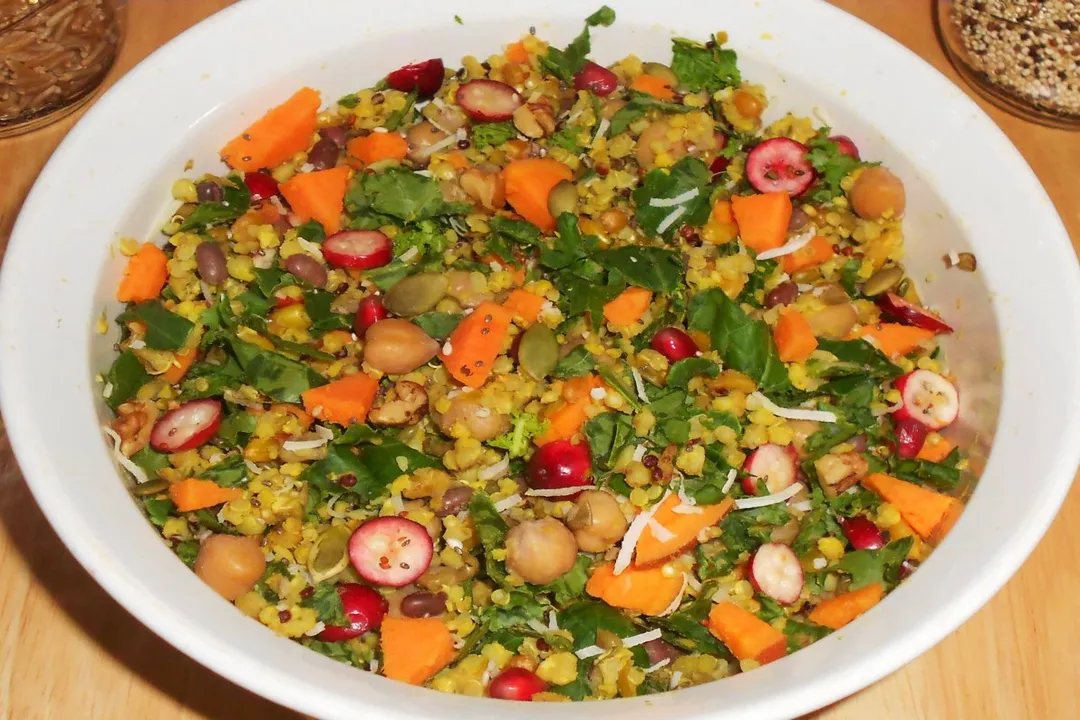
The best way to ensure diversity and prevent selective eating is through preparation, often referred to as "chop". [4][7]
- Processing: Dice or process a wide variety of safe fruits, vegetables, sprouts, and cooked legumes into rice-sized pieces. [5] This mixture avoids the bird picking out only its favorite items. [7]
- Preservation: To manage the large volume of fresh food required daily without waste, prepare large batches of chop and freeze them in convenient portions. [5] For the best results when freezing, blanching any ingredients meant for the freezer can help improve the quality of the thawed product and make certain nutrients more bioavailable. [7] Defrosted chop is generally accepted by Eclectus parrots. [7]
- Serving Strategy: Serve the nutrient-dense chop mixture first thing in the morning when the bird is hungriest to maximize intake of the required fresh ingredients. [5]
On days when you aren't making chop, simply dicing raw vegetables and lightly tossing them with a touch of coconut oil is also an acceptable method. [4]

# Shifting Diets
A sudden, drastic switch from a familiar seed diet to a fresh, healthy diet can cause a bird to stop eating, leading to rapid, unhealthy weight loss. [5] Therefore, dietary transition must be "slow and steady". [5]
- Baseline First: Weigh your bird on a gram scale to establish a baseline weight before starting any change. [5]
- Introduce New Foods First: Offer the new diet (pellets/chop) for the first few hours of the day, then offer a small amount of the old food in a separate, less preferred dish later in the day. [5]
- Monitor Closely: Keep charting the bird’s weight to catch any concerning loss immediately, and observe droppings for signs of digestive distress. [5] If an established diet is working, any introduction of new foods or supplements should be done slowly and under the guidance of an avian veterinarian. [4] The commitment to a varied, fresh diet is what preserves the Eclectus’s vibrant spirit and helps them achieve their potential 30- to 50-year lifespan.
Related Questions
#Citations
Graham Taylor - 60 Year Eclectus Expert - Eclectus Parrot Diet
Eclectus Diet
Eclectus Diet - Lonely Grey Rescue
The Eclectus Diet: The Do's, the Don'ts, and Everything You Need to ...
Colorful Cuisine: The Ultimate Eclectus Diet Guide - BirdSupplies.com
Eclectus diet : r/parrots - Reddit
The Eclectus - Bird Street Bistro
Eclectus Parrots - Arizona Exotic Animal Hospital