Where is the highest probability for observers to spot a Wandering Albatross at sea?
Answer
Traveling across the Antarctic Peninsula or through the Drake Passage
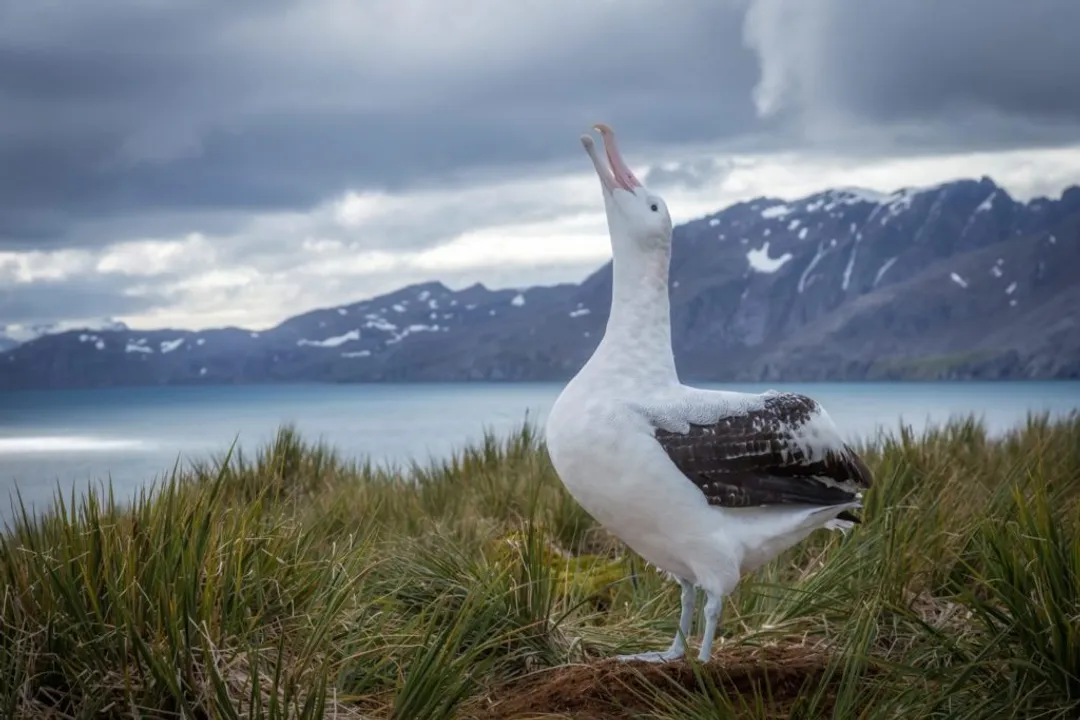
For those seeking to observe the Wandering Albatross in its element—the open water—the strategy involves positioning oneself in known corridors of activity within the high southern latitudes. Expedition travel routes that traverse the Antarctic Peninsula or navigate the Drake Passage offer the highest likelihood of encounter. These areas are productive feeding zones and are subject to the strong winds necessary for the bird's preferred dynamic soaring flight style. While they are present throughout the Southern Ocean sectors, these specific passages are high-traffic areas for expedition cruises, increasing the chances of sighting them offshore.
Related Questions
What is the maximum wingspan achieved by the Wandering Albatross?Which specific oceanographic boundary dictates the waters surrounding Wandering Albatross breeding colonies?Which island group is confirmed as a key breeding location for the Wandering Albatross?What is the approximate frequency for raising a single chick by an adult Wandering Albatross?What latitude bands define the strong westerly winds utilized by the Wandering Albatross for gliding?What constitutes the primary non-breeding habitat for this species when not nesting?Where is the highest probability for observers to spot a Wandering Albatross at sea?What is the characteristic nesting fidelity displayed by an adult Wandering Albatross?What sea condition increases the chance of an offshore encounter with the Wandering Albatross?How does the geographical scope of Wandering Albatross foraging contrast with its land-based reproductive area?