Where is a mockingbird located?

The location of a mockingbird, particularly the well-known Northern Mockingbird (Mimus polyglottos), is defined by a vast and adaptable range stretching across much of North America and its surrounding islands. [1][5] To understand where to find one, we must consider both the broad continental map and the specific type of backyard or landscape they prefer for daily life.
# Geographic Spread
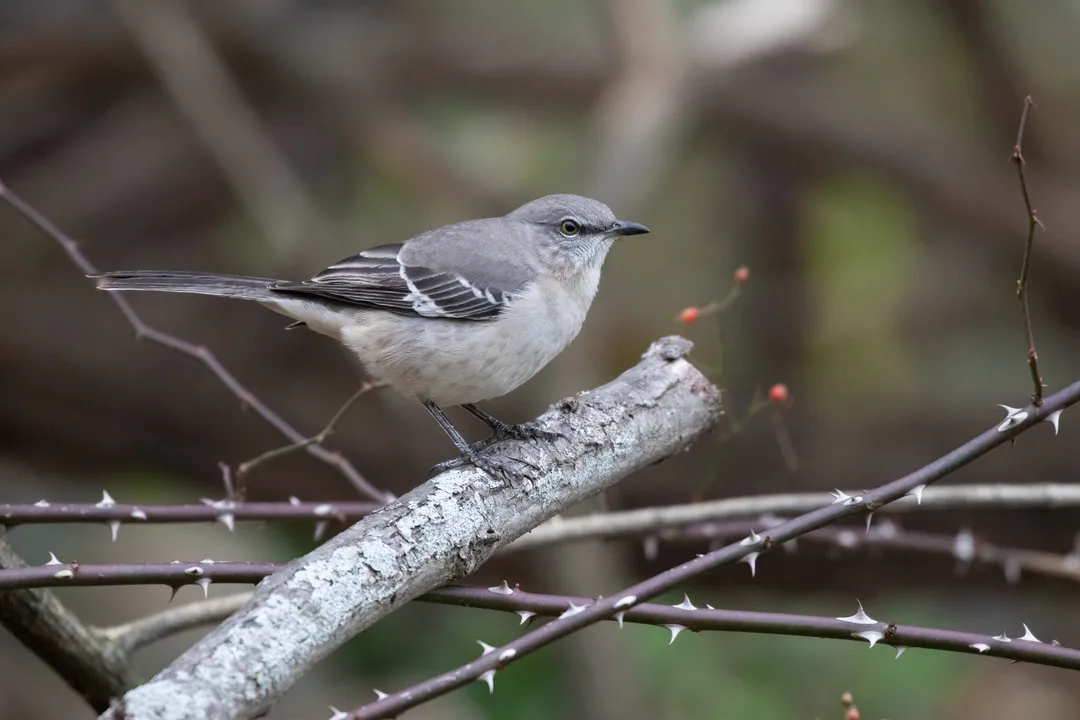
The Northern Mockingbird is widely distributed, encompassing a significant portion of the continent. [4] Its primary range covers the southern regions of Canada, extending southward through the entire United States, and continuing down into Mexico and the West Indies, including islands like Cuba and Puerto Rico. [1][3] This species is a notable resident across many states, generally being found anywhere south of the harshest northern climates and higher mountain elevations. [6]
When looking at their continental presence, it is helpful to distinguish between areas where they stay year-round and those where they migrate. [2]
# Residency Status
The migratory behavior of the Northern Mockingbird shows clear regional differences:
| Region | Residency Status | Notes |
|---|---|---|
| Southern Canada & Northern US | Migratory | Individuals in the colder, northernmost reaches of the range tend to move south for the winter. [2] |
| Central and Southern US | Year-Round Resident | These birds generally do not migrate, staying put throughout the seasons. [2][4] |
| Mexico & Caribbean | Year-Round Resident | Permanent populations thrive in these warmer environments. [1][3] |
The species has successfully established itself across many varied environments within the continental United States, though they generally avoid the extreme north and high mountainous terrain. [6] Their presence in the United States is extensive, often making them one of the most frequently encountered songbirds in many areas. [9]
# Preferred Habitat Niches
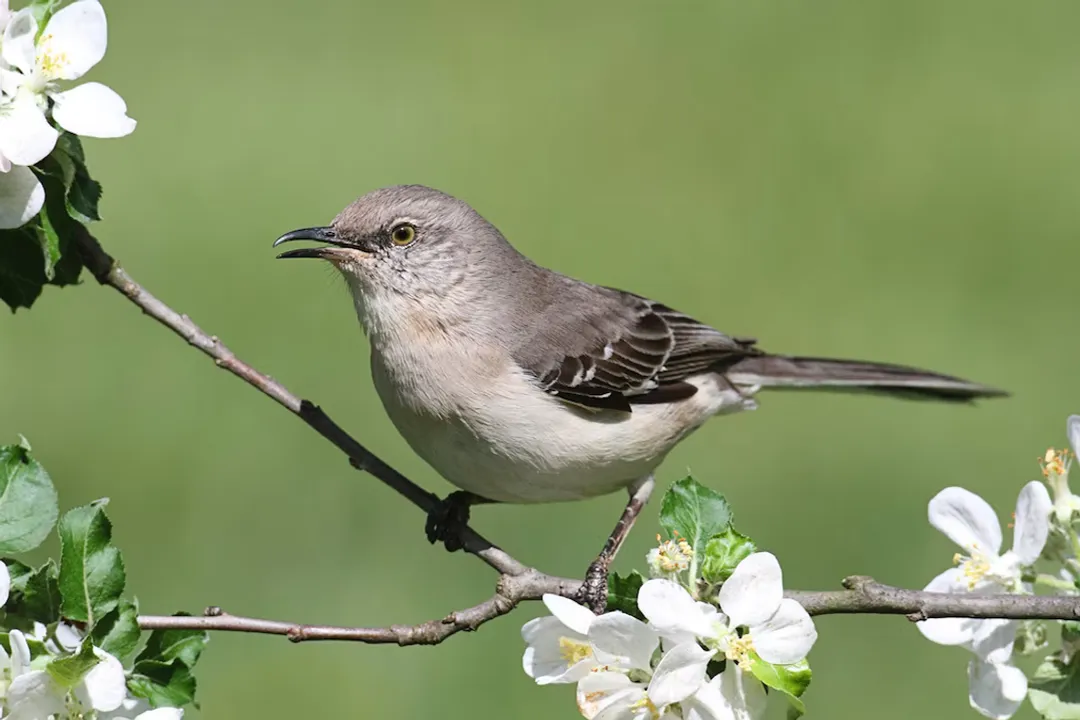
Knowing the geographic boundaries is only the first step; to actually spot a mockingbird, one must look in the right type of place. Mockingbirds are not shy about sharing space with people; in fact, they thrive near human habitation. [7] They exhibit a strong preference for open environments that feature scattered, low, dense vegetation. [2][10]
Think of the environment as having two main requirements: good visibility for watching out for predators or rivals, and nearby dense cover for nesting and quick retreat.
Specific habitat types where you are likely to find them include:
- Suburban and Urban Areas: Yards, parks, cemeteries, and city green spaces are prime locations. [1][4][9] The mix of lawns (for foraging) and shrubs/trees (for cover) suits them perfectly. [2]
- Woodland Edges and Thickets: Where forests meet fields, the broken cover is attractive. [1][9]
- Hedgerows and Shrubby Areas: They utilize dense, low tangles of vegetation—whether natural or man-made—as ideal cover. [1][10]
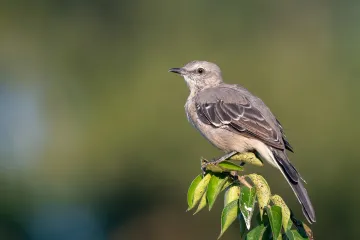
A mockingbird's choice of location often centers around its need for a good vantage point. They frequently perch high on the tallest, most exposed branches of a tree, a telephone wire, or a rooftop antenna, giving them a commanding view of their territory. [2]
One interesting observation that stems from this habitat preference is how effectively the Northern Mockingbird has capitalized on human landscaping trends over the last century. Areas developed for residential use, which often feature manicured lawns interspersed with ornamental shrubs and trees—the very definition of "edge habitat"—provide a near-perfect artificial ecosystem for this bird. Unlike species that require deep, uninterrupted forest, the mockingbird's success is intrinsically linked to the development of suburbs and maintained open spaces. This pattern suggests that as suburban sprawl increases in their southern range, the local mockingbird population often benefits from the increased structural diversity of low cover and high perches. [4][7]
# Southern Behavior
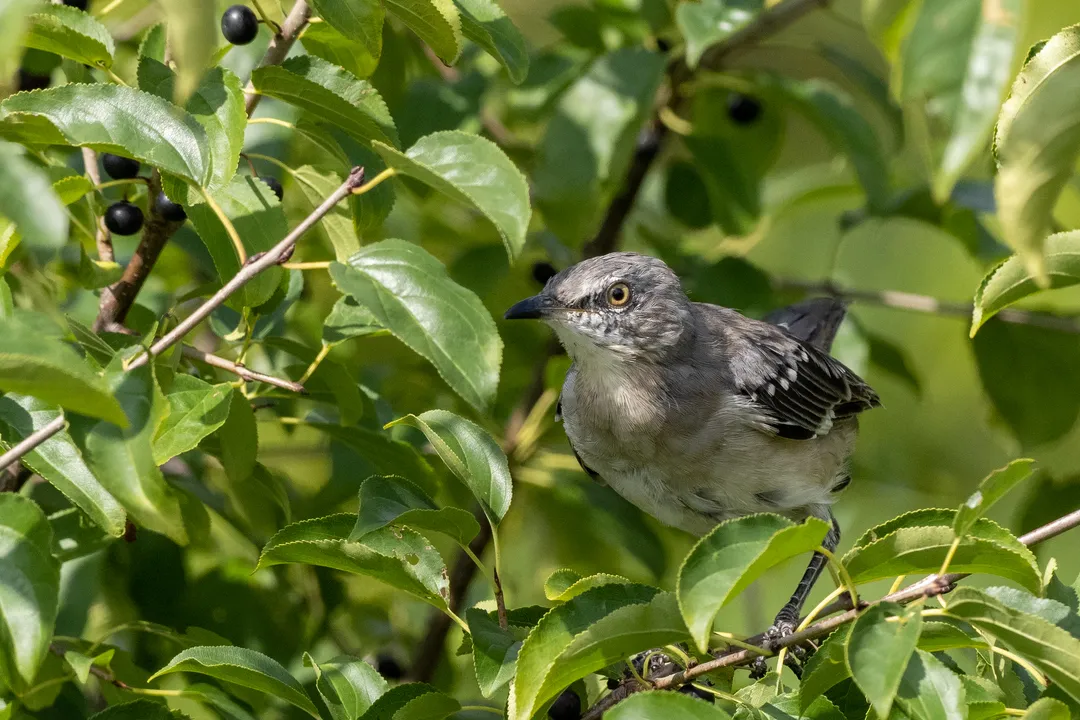
In regions where the Northern Mockingbird is a year-round resident, such as the southern parts of the US, finding them is relatively straightforward regardless of the calendar month. [4] They maintain territories throughout the year, meaning they are present and often vocal even when not actively nesting.
In fact, their territorial nature is a key locator clue. Males, especially, will sing vigorously and repeatedly from prominent perches, particularly during the spring and summer breeding season, though singing can occur year-round in warmer climates. [2][9] If you hear that complex, varied song echoing from a prominent rooftop or tall shrub, you are close to a mockingbird's established territory. If you are searching in winter, focus on areas where mature shrubs still offer dense cover, as they rely on these spots for security when deciduous trees have lost their leaves. [9]
# Locating Through Sound
While their location is defined by habitat, their presence is often first revealed by sound. The Northern Mockingbird is famous for its elaborate vocalizations, mimicking the calls of many other bird species, as well as environmental noises. [7][8]
If you are actively trying to pinpoint where one is situated, listening for these mimicries can be more effective than searching visually, especially in dense suburban settings. They are known to repeat specific phrases or songs many times before moving on to another imitation. [8] A sequence of distinct, unrelated bird calls often points toward a mockingbird practicing its repertoire from a hidden perch nearby. [2]
For someone new to birding in a potential mockingbird area, a simple checklist approach based on the required environmental elements can make finding them much easier. This isn't about tracking migration routes; it’s about observing landscape features:
- Identify Open Space: Look for a lawn, field, or sparsely treed park area.
- Locate Dense Cover: Ensure there is at least one cluster of thick shrubs, a dense hedge, or low, bushy undergrowth within a short distance.
- Scan High Perches: Check the tops of the tallest isolated trees, utility poles, or house roofs overlooking the open space.
- Listen for Repetition: If you hear one or two distinct bird calls repeated in sequence several times, pause and scan the visible high perches in that vicinity.
This method capitalizes on their established "forage-hide-perch" routine. Unlike a flicker that might spend all day drilling into one tree trunk, the mockingbird moves between these three zones repeatedly across its territory, making its patterns somewhat predictable once you know what to look for. [2]
# Range Differences Across the Continent
While the general range is vast, subtle differences exist that affect where you find them in certain seasons or years. For instance, reports from areas like Illinois note that while the birds have expanded their range northward, they are still less common in the northernmost parts of the state compared to the central and southern sections. [10]
This northward expansion is a dynamic feature of their location. In areas experiencing warmer winters, the line between "migratory" and "resident" blurs. A Northern Mockingbird seen in Ohio in November might be a resident, or it might be one that would typically continue further south, staying put due to mild weather and readily available food sources like leftover berries or feeders. [9] This adaptability in overwintering is key to their continued success in expanding their occupied range northward over time.
Ultimately, if you are in North America, the odds are high that a mockingbird is located somewhere nearby. The core question shifts from "Is it here?" to "Where is its preferred patch of dense shrubbery bordering an open area?". [1][6] They are intrinsically linked to edge habitats, making them one of the most reliable indicators of a healthy, mixed landscape, whether that landscape is a wild meadow or a city cul-de-sac. [4][7]
Related Questions
#Citations
Northern mockingbird - Wikipedia
Northern Mockingbird Overview, All About Birds, Cornell Lab of ...
Northern Mockingbird | Audubon Field Guide
Northern Mockingbird | National Wildlife Federation
Northern mockingbird - National Zoo
Northern Mockingbird | Oklahoma Department of Wildlife Conservation
Northern Mockingbird | National Geographic Kids
Mockingbird Facts - Meridian Bird Removal
Northern Mockingbirds - Mass Audubon
northern mockingbird - Illinois Department of Natural Resources