Wandering Albatross Locations
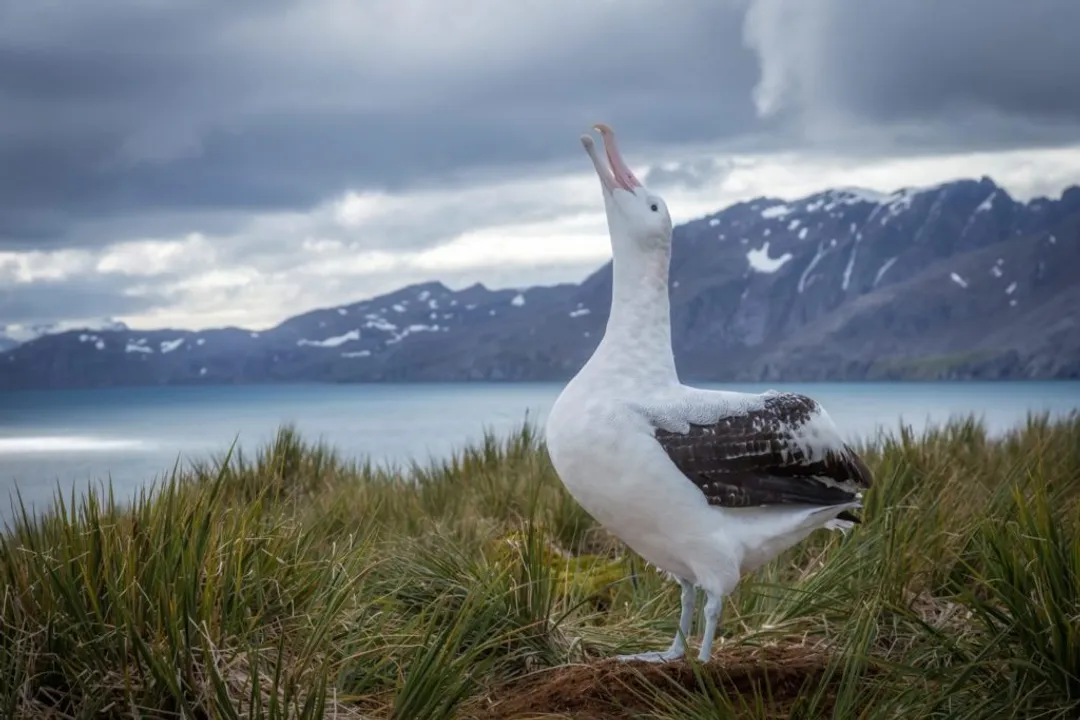
The sheer scope of the Wandering Albatross’s existence is captured perfectly by its name, suggesting a life lived on the move across immense, lonely stretches of water. While the name implies constant travel, the locations defining its life cycle are surprisingly restricted to a specific, harsh marine environment: the Southern Ocean and its isolated sub-Antarctic islands. Understanding where to find this magnificent bird requires separating its life into two distinct geographical categories: the few precious breeding grounds and the nearly boundless ocean where it spends the majority of its time.
# Island Nests
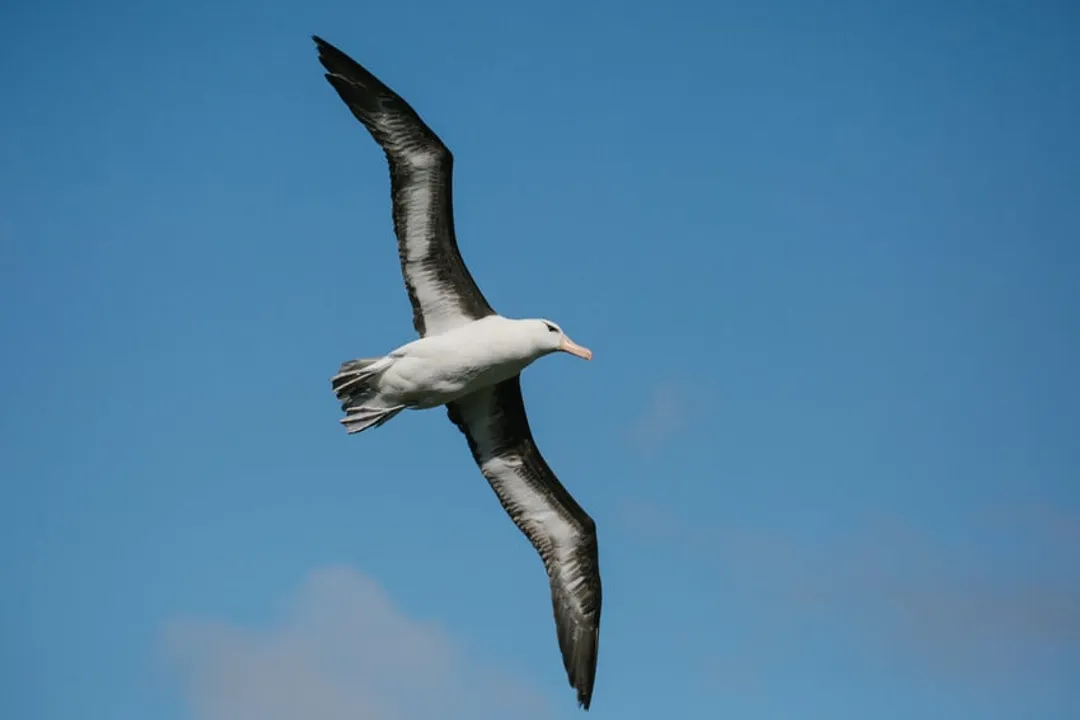
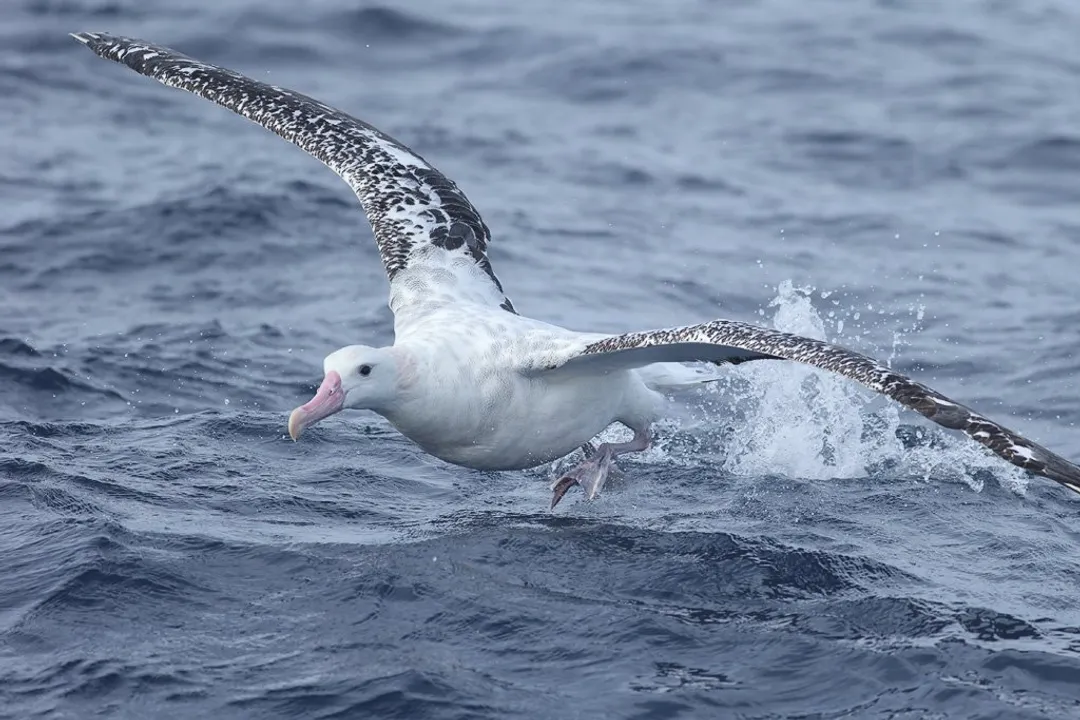
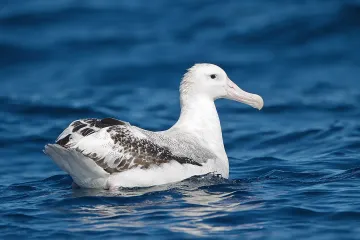
The Wandering Albatross, often recognized for its incredible wingspan, which can reach up to $3.5$ meters, is highly dependent on a limited number of remote, oceanic islands for reproduction. These breeding colonies are almost exclusively situated on islands south of the Antarctic Convergence, a crucial oceanographic boundary that dictates the distribution of cold, nutrient-rich waters.
The breeding locations are remarkably consistent across observer reports. Key island groups hosting these colonies include South Georgia, the Kerguelen Islands, the Crozet Islands, Macquarie Island, the Auckland Islands, and the Campbell Islands. These locations are far removed from major human settlements, providing the relative safety needed for such a large, ground-nesting bird to raise its young. An adult albatross will typically return to the same island, and often the same general area, to nest. This fidelity to specific remote islands explains why dedicated wildlife cruises focusing on the Antarctic and sub-Antarctic regions are the most reliable ways for humans to observe them ashore.
The breeding cycle itself is protracted, taking over a year to complete. This long dependency means that only one chick can be raised every 18 months or so, placing immense pressure on adult survival and population stability. Given that the available nesting sites are finite and these islands are subject to varied environmental pressures, the status of these specific locations is central to the species' conservation outlook.
If we consider the scope of their flight versus their nesting needs, an interesting dynamic emerges. While the adults forage across thousands of square kilometers of open water, they must funnel back to these small, isolated spots to breed. To put the oceanic separation into perspective, the total area covered by the Southern Ocean is vast, yet the bird concentrates its entire reproductive output onto landmasses that collectively represent a minuscule fraction of that total habitat. This intense geographic specialization on the breeding end highlights the species' specialization to the extreme southern latitudes.
# Southern Roaming
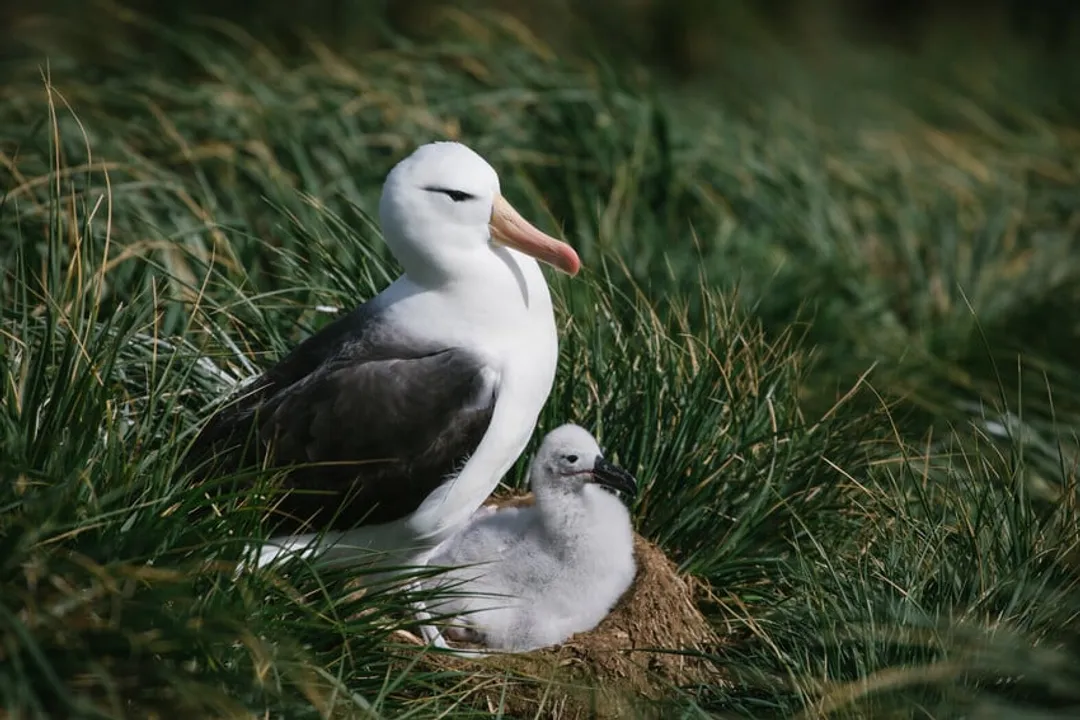
Outside of the breeding season, the Wandering Albatross becomes a true pelagic wanderer, seemingly appearing almost anywhere the Southern Ocean extends. When not tending to a nest or chick, these birds are masters of gliding, utilizing the strong winds of the Roaring Forties and Furious Fifties latitudes—bands of strong westerly winds found between approximately and south latitude—to cover vast distances with minimal energy expenditure.
The primary non-breeding habitat is the Southern Ocean itself. Seabird tracking data confirms this expansive range, showing them circumnavigating the globe, often staying south of S, but capable of venturing further north, depending on local wind conditions and food availability. They are widely distributed across the Atlantic, Indian, and Pacific sectors of the Southern Ocean.
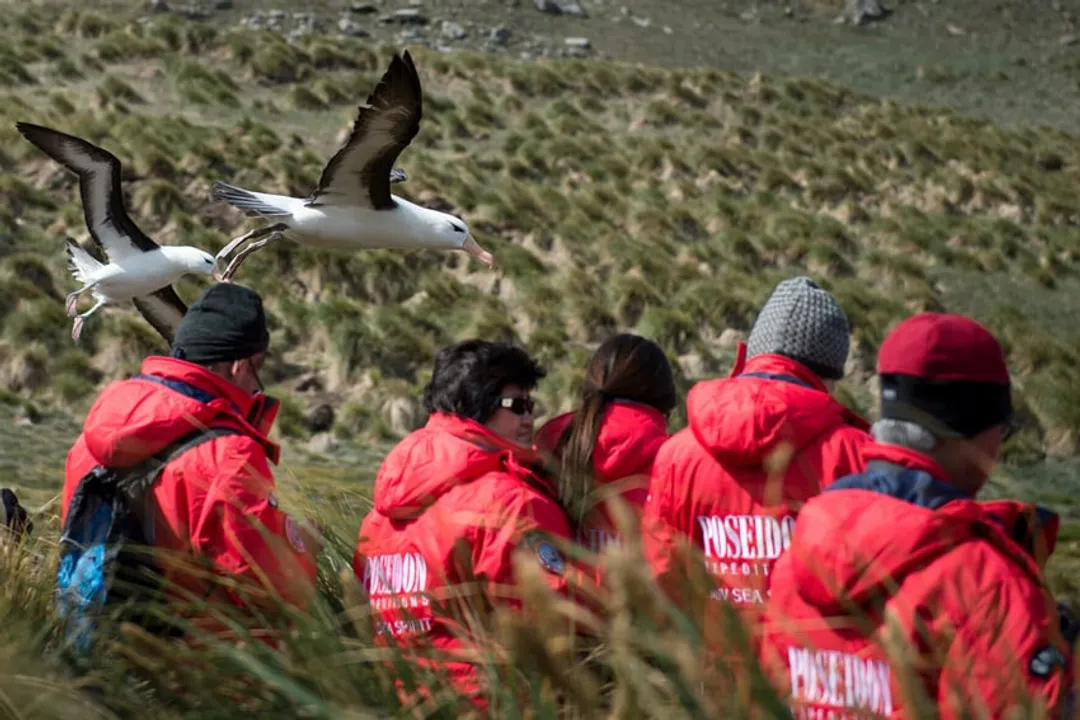
It is important to note that while they breed on specific sub-Antarctic islands, their foraging routes are opportunistic and global within their preferred zone. For instance, an individual breeding on South Georgia might easily be found feeding near the Antarctic ice edge one month and foraging near the waters off New Zealand the next, depending on the currents and the location of major upwellings that bring food closer to the surface. For tourists or birdwatchers hoping to spot them at sea, the highest probability exists when traveling across the Antarctic Peninsula or through the Drake Passage, where they often associate with research vessels or expedition ships.
# Viewing Spots
Pinpointing a Wandering Albatross depends entirely on the time of year and what the bird is currently doing—breeding or feeding. For terrestrial viewing, the priority must be those sub-Antarctic islands already mentioned, such as South Georgia or Macquarie Island, during their nesting seasons.
For those seeking them on the open water, which is where they spend the overwhelming majority of their lives, the best strategy revolves around expedition travel in the high southern latitudes. While they can be seen far north of the Antarctic Circle, expedition cruises navigating between Ushuaia, Argentina, and the Antarctic Peninsula often provide reliable sightings. These areas provide the necessary strong winds and access to productive feeding zones that the birds follow.
A practical consideration for visitors focusing on tracking these birds is understanding the difference between the species' migratory patterns and their feeding ecology. Unlike some other seabirds that might aggregate heavily around fishing boats or specific coastal areas, the Wandering Albatross is often seen singly or in small numbers out on the open ocean, riding the air currents alone. When they are present near human activity, it is usually because the sea conditions—specifically the wind shear over the waves—are ideal for their dynamic soaring flight style. Therefore, seeking out choppy, windy seas, rather than calm harbors, increases the chances of an encounter offshore.
The presence of different subspecies or closely related species, like the Snowy Albatross group, can sometimes complicate location data, as their distributions overlap significantly across the Southern Ocean latitudes. However, for practical identification and location tracking purposes in the Antarctic region, focusing on the known breeding islands for nesting and the well-known southern oceanic passages for at-sea sightings provides the most actionable intelligence for observers.
Related Questions
#Citations
Snowy albatross - Wikipedia
Wildlife Guide: Wandering Albatross Facts - Quark Expeditions
Wandering albatross - Australian Antarctic Program
Snowy Albatross Diomedea exulans - eBird
Wandering Albatross Facts - Poseidon Expeditions
Facts, pictures & more about Wandering Albatross
Albatrosses - Seabird Tracking Database
Wandering Albatross - BirdLife Australia
Wandering Albatross - The Australian Museum
Wandering Albatross - Diomedea exulans - Cool Antarctica