Wandering Albatross Diet
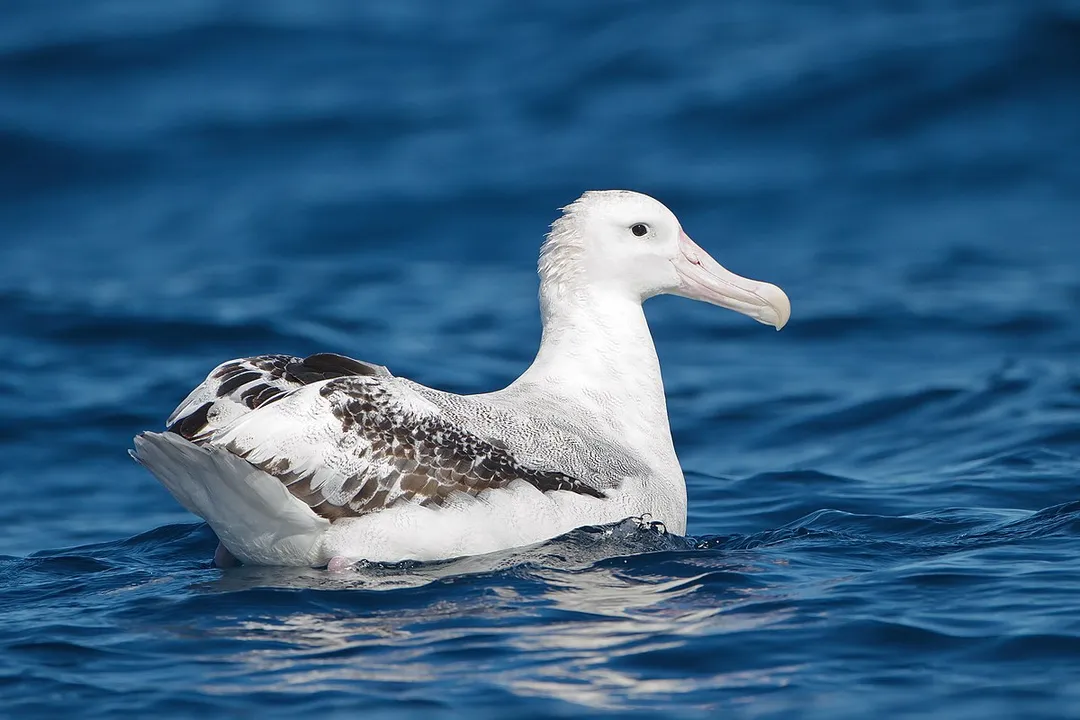
The Wandering Albatross, Diomedea exulans, commands the vast expanse of the Southern Ocean, and its diet is intrinsically linked to its mastery of oceanic flight. These magnificent birds are primarily surface feeders, relying on the bounty that the frigid, nutrient-rich waters bring to the air-sea interface. [6][4] Their meals are rarely stationary targets; rather, they are opportunistic foragers capitalizing on whatever cephalopods, fish, and crustaceans are available on or near the surface, often following productive upwellings or areas of high biological activity. [6][3]
# Prey Composition
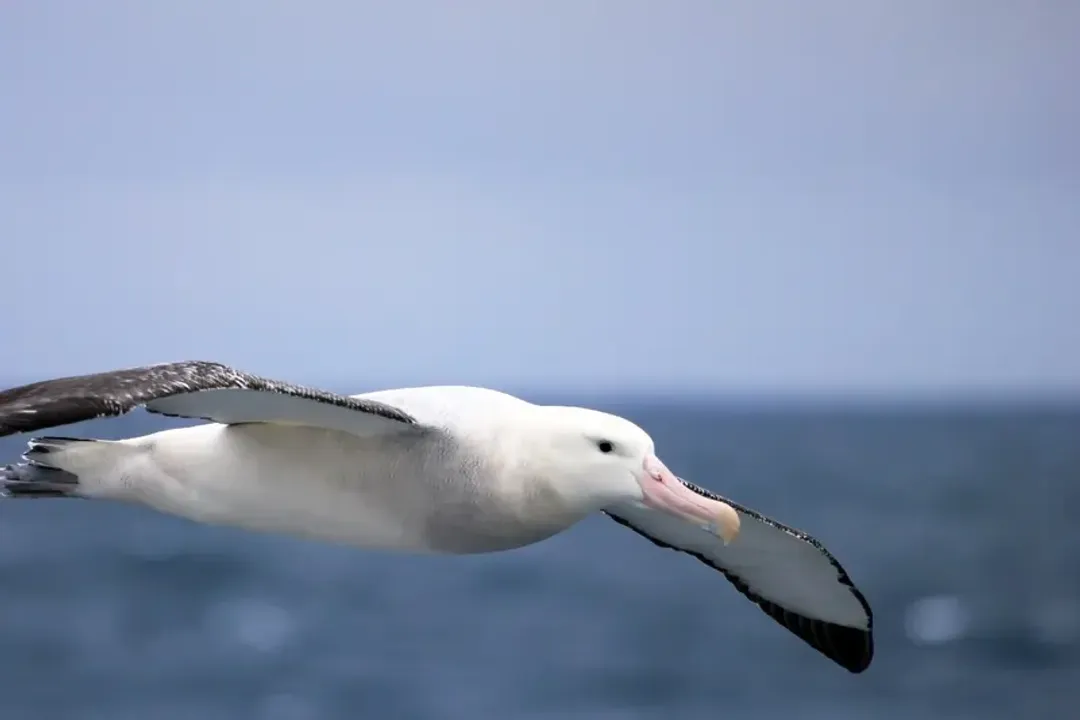
The staple diet of the Wandering Albatross is a rich mixture of marine life, often categorized into three main groups: cephalopods, fish, and crustaceans. [6][3] Details on the exact dominance of these groups can vary geographically and seasonally, reflecting local availability. [9]
Cephalopods, particularly squid, form a significant portion of their intake. [6][8] These soft-bodied mollusks are highly nutritious and readily accessible to a bird that prefers to skim the waves rather than plunge deep underwater. [6] While specific species might differ based on where the bird is foraging—whether near the Antarctic convergence or further north—the general category remains a dietary constant. [2][5]
Fish are another major component, often scavenged from the surface or taken from shallow waters. [6] Albatrosses are known to consume smaller fish, but they are also highly attracted to the discards and offal from fishing vessels, a fact that significantly impacts their modern feeding ecology. [4][5] This scavenging behavior, while historically likely applied to naturally occurring carcasses, has become a notable factor in their foraging patterns near human activity. [1]
Crustaceans, such as krill and perhaps larger amphipods, round out the primary menu. [6] These smaller, high-energy organisms provide necessary fats, especially critical for fueling their long-distance aerial movements. Given their massive wingspan, often reaching up to 3.5 meters, which allows for phenomenal energy conservation during flight, their food intake must be calorically dense to sustain such an energy-efficient, yet constantly mobile, lifestyle. [6] A diet high in fat from oily fish and cephalopods is far more efficient for long-haul navigation than a diet dominated by low-energy prey.
# Surface Feeding
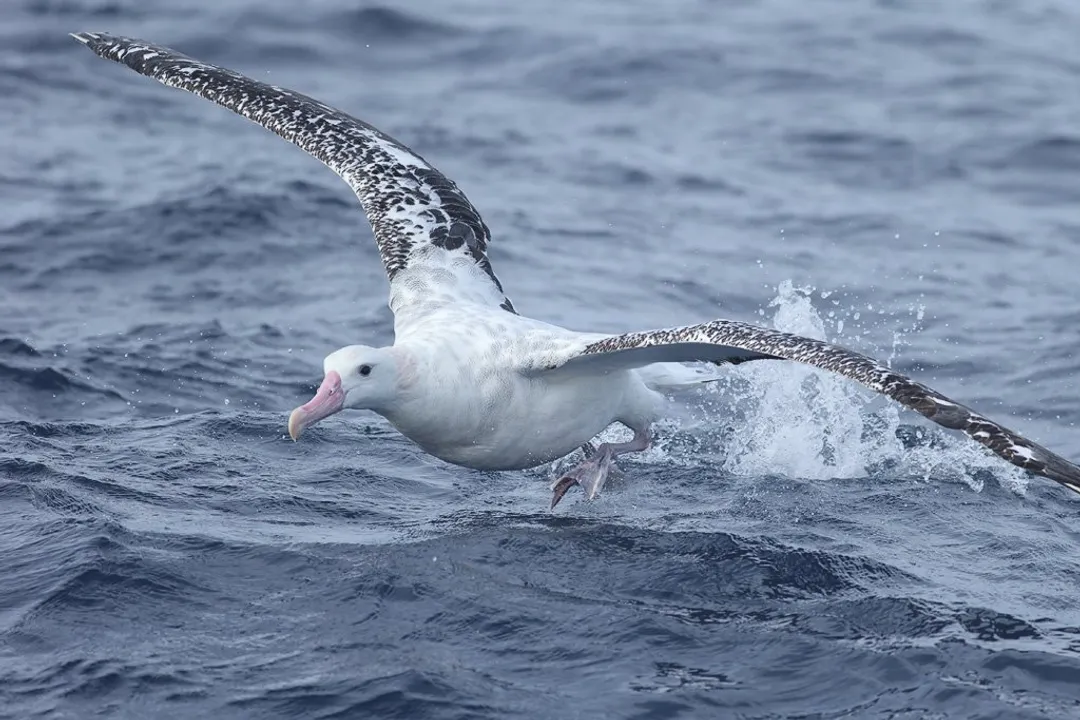
Wandering Albatrosses are masters of the surface, employing a feeding style that necessitates minimal physical exertion relative to the potential caloric return. [4][6] They are not deep divers like some other seabirds; instead, they employ a technique known as "patrolling" or "skimming". [6] They circle or glide low over the water, scanning for signs of prey, which can include seeing the prey itself, observing other birds feeding, or detecting changes in the water surface indicative of an underwater shoal or squid aggregation. [7]
When prey is sighted, the albatross approaches, often using its large feet to pat or tread on the water surface to steady itself while reaching down to snatch the meal. [6] This method allows them to seize food from the surface film or just below it, rarely needing to immerse their entire body. Source analysis indicates that while they can plunge briefly, their primary contact is often just dipping their head and neck. [4][6]
It is interesting to consider how this surface reliance shapes their foraging success. Since they primarily feed at the surface or just below it, their foraging efficacy is likely strongly correlated with visual cues—sea state, water clarity, and light penetration. [3] This suggests that prey found at depths beyond the immediate photic zone, even if abundant, contributes less to their daily energy budget than organisms floating near the surface or those brought up by turbulent water.
# Feeding Range
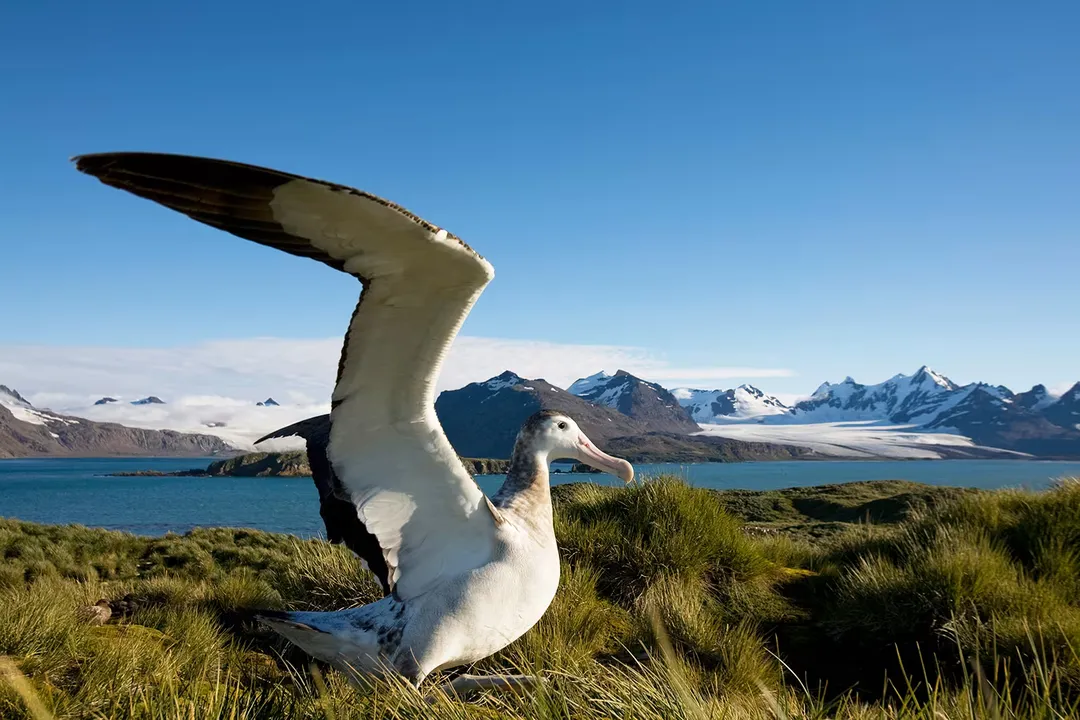
The diet consumed by the Wandering Albatross is directly related to its extraordinary geographic range. These birds are pelagic, spending most of their lives over the open ocean, primarily within the cold waters of the Southern Ocean. [2][5] They breed on sub-Antarctic islands but disperse widely across the Antarctic convergence zone and beyond. [2][6]
Their feeding grounds can extend across vast stretches of the South Atlantic, South Pacific, and Indian Oceans. [2] This immense foraging area means their diet is highly adaptable, shifting to whatever primary productivity is available in the different sectors they traverse. [9] A bird following the Antarctic circumpolar current might feed heavily on prey associated with colder, more productive waters, while a bird moving further north might encounter different cephalopod or fish populations.
An interesting comparison arises when looking at the feeding habits relative to their nesting grounds. While they may travel thousands of kilometers to feed, they must return to the sub-Antarctic islands to rear their single chick. [1][5] The type and quantity of food brought back directly influence chick survival, meaning they must secure high-value meals during these specific periods, potentially leading to narrower, more focused foraging trips near the colony compared to the wide-ranging searches undertaken by non-breeding adults.
# Digestion and Oil
Like many long-distance flyers, efficient processing of food is critical for the Wandering Albatross, and this involves specialized internal mechanisms. [9] Albatrosses possess a remarkable adaptation: the production of stomach oil, which is stored in their proventriculus. [4][6]
This stomach oil is not waste; it is a highly concentrated energy source derived from the digestion of their oily prey, such as squid and fatty fish. [4][6] The oil serves several vital functions. Firstly, it acts as an energy reserve, allowing the bird to sustain itself for long periods without immediate feeding, which is crucial during prolonged flights or when bad weather prevents surface feeding. [4] Secondly, the oil is regurgitated and fed to the chick, providing it with a dense, long-lasting source of energy and water, which is essential when the chick is too young to survive on the variable diet the parents might bring back during a single trip. [6]
The process of creating this oil involves complex lipid processing. This stored energy source is so significant that it represents a major component of the chick's diet, effectively packaging the energy gathered from vast oceanic foraging into a form that can be transferred efficiently from adult to offspring. [6]
# Human Impact on Diet
The traditional diet of the Wandering Albatross is increasingly overlapping with human activities, which has introduced both new food sources and new dangers into their feeding regime. [4] As mentioned, albatrosses are adept scavengers, and this instinct has made them targets for interaction with longline fishing vessels. [5]
The discards and bycatch thrown back into the sea by these operations—which often include fish scraps and processing waste—present an easy, high-caloric meal for the birds. [4] While this might appear to supplement their diet, it often draws them into dangerous proximity to active fishing gear, leading to the significant threat of entanglement and subsequent drowning, known as bycatch. [1][5]
Furthermore, some research suggests that the availability of fishery discards might alter natural foraging patterns. If a bird can reliably find easy food near fishing zones, it may spend less time hunting natural prey or traveling further afield, potentially concentrating its feeding in areas where the risk of entanglement is highest. [9] Understanding the balance between natural prey consumption and reliance on fishery waste is a key area of conservation study, as the nutritional quality and long-term sustainability of these two food sources are vastly different. For instance, while both contain lipids, the naturally occurring fats from Antarctic krill or native squid might offer a superior amino acid profile compared to processed fish trimmings. This trade-off between immediate energy gain and long-term ecological health remains a central challenge for the species.
# Specialized Consumption
The physical structure of the Wandering Albatross also dictates how it consumes its prey. Their large, hooked bill is perfectly adapted for tearing flesh and gripping slippery prey like squid. [4] Their mouth cavity itself plays a role in water management during surface feeding.
When a bird scoops up a mouthful of food and seawater, it needs to expel the excess water efficiently without losing the meal. Like other petrels and shearwaters, the albatrosses possess salt glands located above the eyes that help excrete excess salt taken in from seawater and salty prey, concentrating the brine which drips from the nostrils. [6] This osmoregulatory efficiency is essential, allowing them to drink seawater when necessary, though they primarily rely on the water content within their prey. [6] This ability to manage salt intake is vital for a bird that spends its entire life adrift over the ocean, constantly encountering saline conditions.
# Foraging Efficiency Analysis
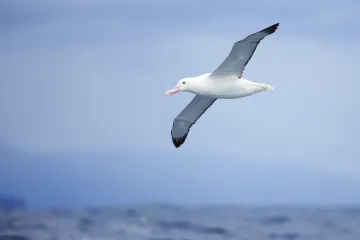
To fully appreciate the diet's role, one can look at the sheer scale of operation. A bird with a nearly 11-meter wingspan (the maximum recorded for the species, though 3.5m is a more common upper range) glides thousands of kilometers between successful feeding bouts. [6] If a bird covers, say, 500 kilometers in a day of foraging, its energy expenditure must be minimal, and the return from its meals must be high to sustain this routine over months or years.
Consider a hypothetical scenario: If a single large squid provides roughly 5,000 kilocalories (a rough estimate for a fatty marine organism), and the albatross expends only 1,000 kilocalories daily during sustained flight (a very low maintenance cost due to dynamic soaring), then just a few significant meals per week could theoretically sustain its travel, with the excess being converted to stomach oil for storage or chick feeding. [4][6] This illustrates that the quality and density of the squid and fish in their diet are far more important than the volume consumed daily. They are maximizing caloric density per kilometer flown.
# Conclusion
The diet of the Wandering Albatross is a direct reflection of its supreme adaptation to the pelagic environment of the Southern Ocean. Predominantly surface feeders, they target high-energy prey—squid, fish, and crustaceans—that are readily accessible in the turbulent surface waters. [3][6] Their success hinges not just on what they eat, but how efficiently they process and store that energy, primarily through the crucial production of stomach oil. [4] As this species continues to navigate a changing marine environment, particularly one impacted by the fishing industry, the balance of their natural intake versus reliance on discards will remain a critical factor in their long-term survival across the planet's wildest seas. [1][5]
Related Questions
#Citations
Wildlife Guide: Wandering Albatross Facts - Quark Expeditions
Wandering albatross - Australian Antarctic Program
Albatross (Wandering) - Flying and Feeding - Better Planet Education
10 Fascinating Facts About the Wandering Albatross - Polar Tours
Wandering Albatross - The Australian Museum
Snowy albatross - Wikipedia
Wandering Albatross - Polar Latitudes Expeditions
Wandering Albatross - Facts, Diet, Habitat & Pictures on Animalia.bio
The diet of the Wandering Albatross Diomedea exulans at ...