What three main groups constitute the staple diet components for the Wandering Albatross?
Answer
Cephalopods, fish, and crustaceans
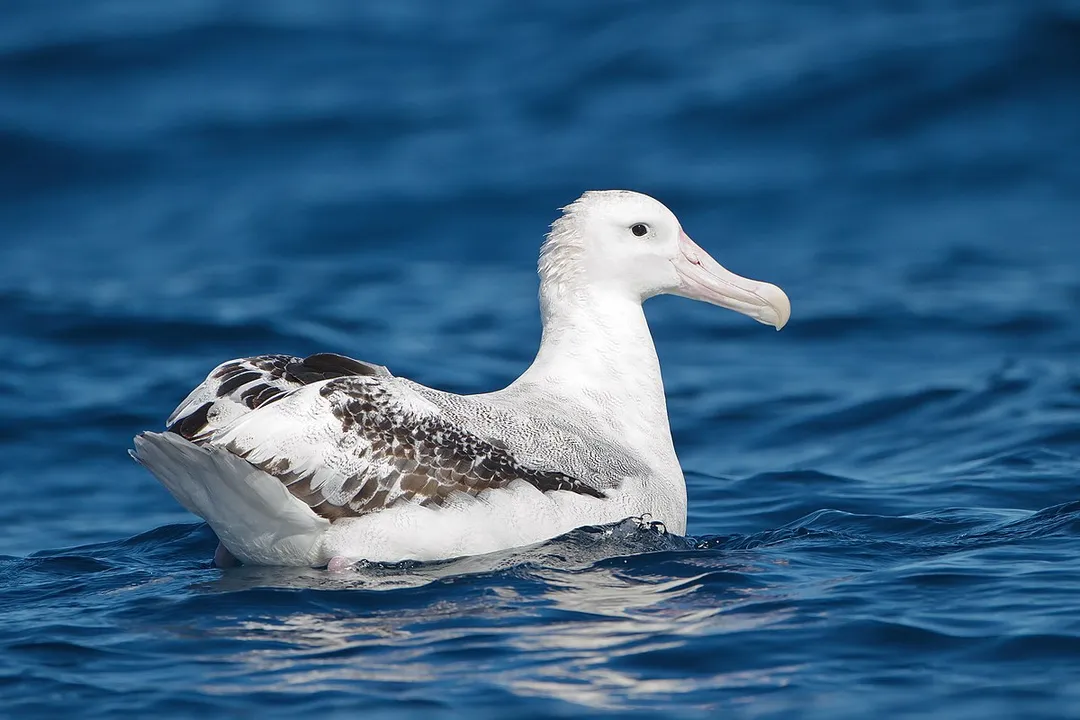
The staple diet of the Wandering Albatross is characterized as a rich mixture derived from the nutrient-rich Southern Ocean waters, categorized into three primary groups: cephalopods, fish, and crustaceans. Cephalopods, particularly squid, form a very significant intake due to their accessibility near the surface and high nutritional value. Fish are also a major component, often scavenged or taken from shallow areas. Crustaceans, such as krill and amphipods, round out the menu, supplying essential fats necessary to fuel the bird's phenomenal, energy-efficient, long-distance aerial movements. The exact dominance varies geographically, but these three categories define their primary menu.
Related Questions
What is the dual vital function of the stomach oil produced by Diomedea exulans?What three main groups constitute the staple diet components for the Wandering Albatross?Which feeding technique do Wandering Albatrosses primarily employ rather than deep diving?Where are the salt glands located that enable the albatross to excrete excess salt concentrate?How is the large, hooked bill of the Wandering Albatross adapted for consuming slippery prey?What critical factor regarding prey intake is deemed more important than the volume consumed daily for sustained flight?In which specific internal organ does the Wandering Albatross store the highly concentrated stomach oil?What significant danger arises for Wandering Albatrosses that consume fishery discards?What common upper range for the wingspan of the Wandering Albatross is referenced when discussing foraging efficiency?Why does prey found beyond the immediate photic zone contribute less to the albatross's daily energy budget?