Where are yellow-eyed penguins located?
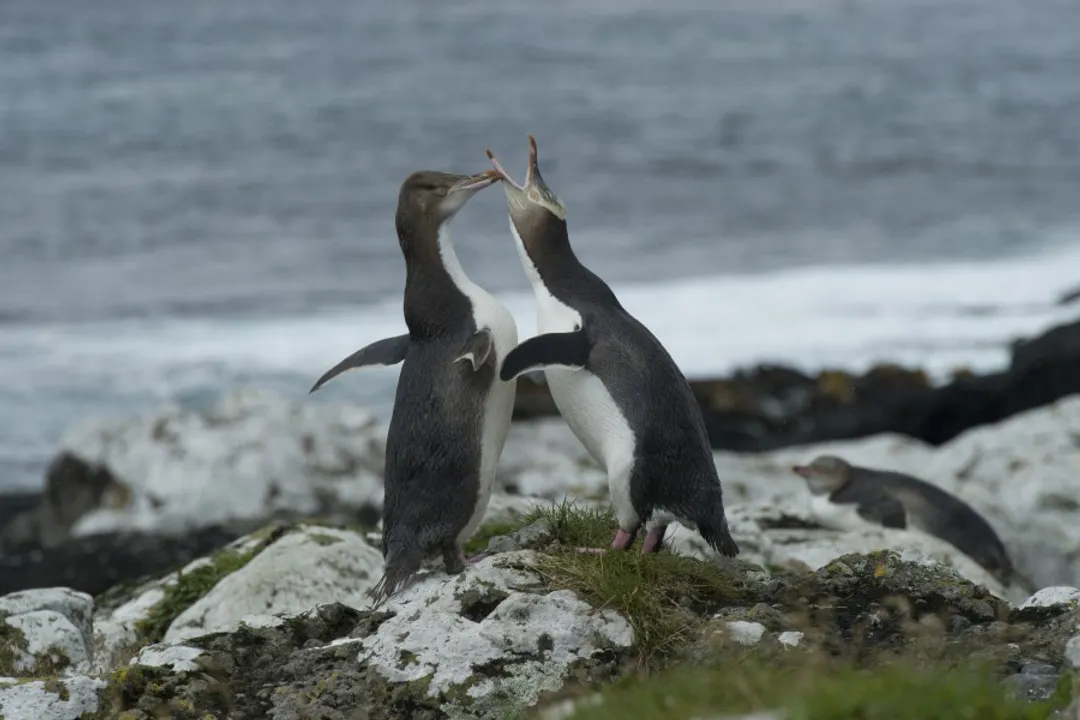
The yellow-eyed penguin, known locally in New Zealand as Hoiho, maintains one of the most restricted distributions among penguin species, making the question of where to find them quite specific. [3][6] These birds are endemic to New Zealand and are considered one of the rarest penguins globally. [1][10] Their habitat is generally confined to the southeastern coasts of the South Island of New Zealand, Stewart Island (Rakiura), and the subantarctic islands of New Zealand. [1][4]
# South Island Distribution
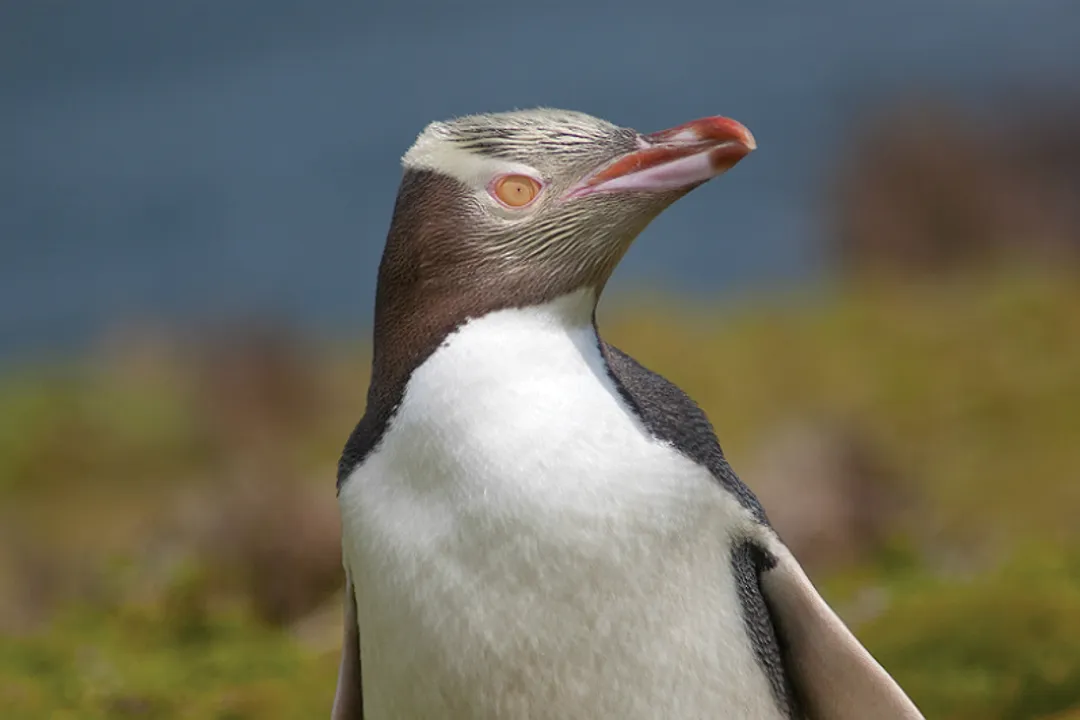
The majority of the world's yellow-eyed penguins breed on the eastern coast of the South Island of New Zealand. [2][4] This mainland population is fragmented, scattered along various stretches of coastline. [1] A significant area of concentration for these birds is found along the Otago Peninsula and further south into The Catlins region. [9][4]
The Otago Peninsula, near the city of Dunedin, is a well-known area for observing these shy creatures, although sightings can be sporadic. [9][10] Moving south, The Catlins district offers crucial habitat, featuring coastal forest areas where the penguins come ashore to nest. [9] It is essential to recognize that the yellow-eyed penguin is notoriously difficult to spot, often preferring solitude over bustling colonies, unlike some other penguin species. [10][2]
Stewart Island, or Rakiura, which lies just off the southern tip of the South Island, also hosts breeding populations. [1] This island, being somewhat more remote and less developed than the mainland coastal areas, offers a different ecological context for the birds' survival. [3]
The distribution along the mainland coast is quite patch-like. While they are present on the east coast of the South Island, their range does not extend far up the west coast. [1] This clear demarcation suggests that the specific ecological niches required for foraging or nesting are overwhelmingly concentrated in the sheltered, eastern marine environments. [8]
# Subantarctic Territories
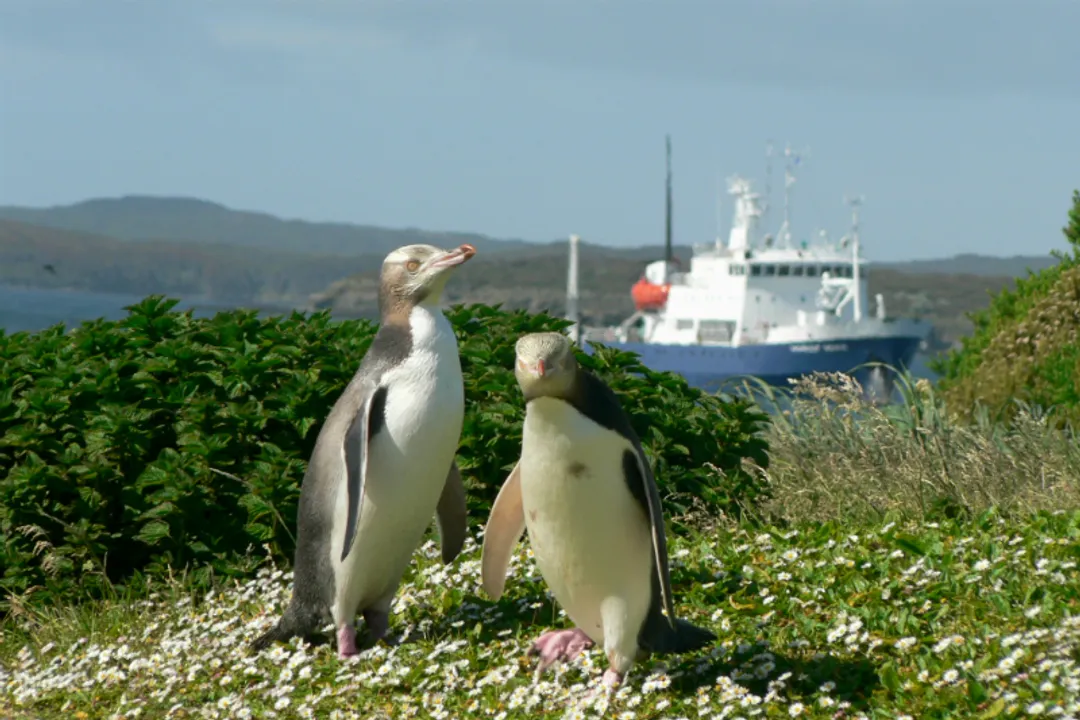
Beyond the main islands of New Zealand, the yellow-eyed penguin range extends to the associated subantarctic islands. [4][6] These areas include Campbell Island and Auckland Island. [1] These remote locations offer vast tracts of relatively untouched coastline that serve as important breeding grounds, often supporting healthier sub-populations than the more pressured mainland sites. [1][4] The presence of populations in these less-disturbed zones is a key factor in the species' overall survival, providing a potential refuge from mainland threats. [4]
When comparing the mainland versus the subantarctic breeding grounds, one might observe differences in the timing of the breeding cycle or foraging behavior. Mainland birds, living closer to major human populations and facing altered coastal ecosystems, might experience different levels of pressure on their food sources compared to those inhabiting the remote, colder waters around Campbell and Auckland Islands, which are likely subject to more natural oceanic variations. [4]
# Habitat Specifics
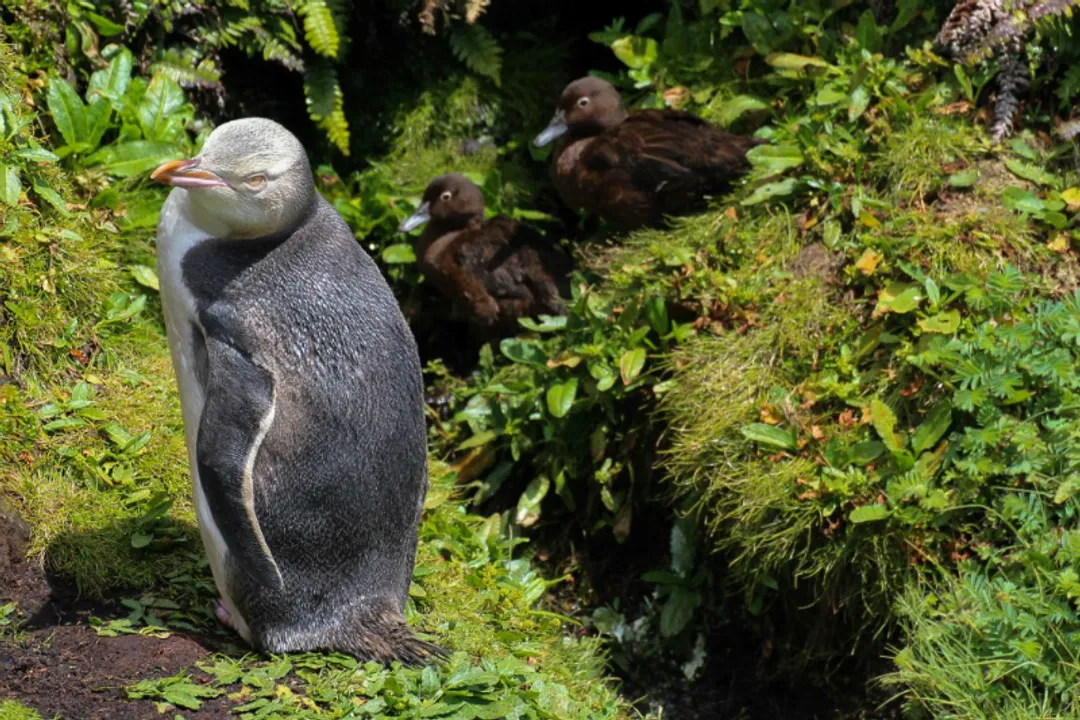
The term "location" for the Hoiho must extend beyond just geography to include the specific type of environment they select for nesting and resting. [3] Yellow-eyed penguins are unique among New Zealand penguins because they typically nest alone or in very small groups, rather than forming dense colonies. [10][1] They are forest-dwelling nesters, preferring areas of coastal scrub or native bush that provide good camouflage and protection from the elements and predators. [3][1]
For a yellow-eyed penguin, a suitable nesting site is often found in dense vegetation, sometimes up to a kilometer or more inland from the high tide mark. [1][3] This preference for secluded, vegetated areas over exposed, rocky beaches—typical of many other penguin species—is a defining feature of their habitat requirements. [10] They choose areas that offer cover while still providing relatively easy access to the sea for fishing. [3]
For instance, in areas like The Catlins, the presence of native coastal forest is explicitly linked to successful breeding territories, underscoring the necessity of intact native vegetation for the species' survival. [9] If the coastal forest cover is removed or significantly degraded, nesting success often plummets because the birds lose their vital protection layer. [3]
# Identifying Sightings
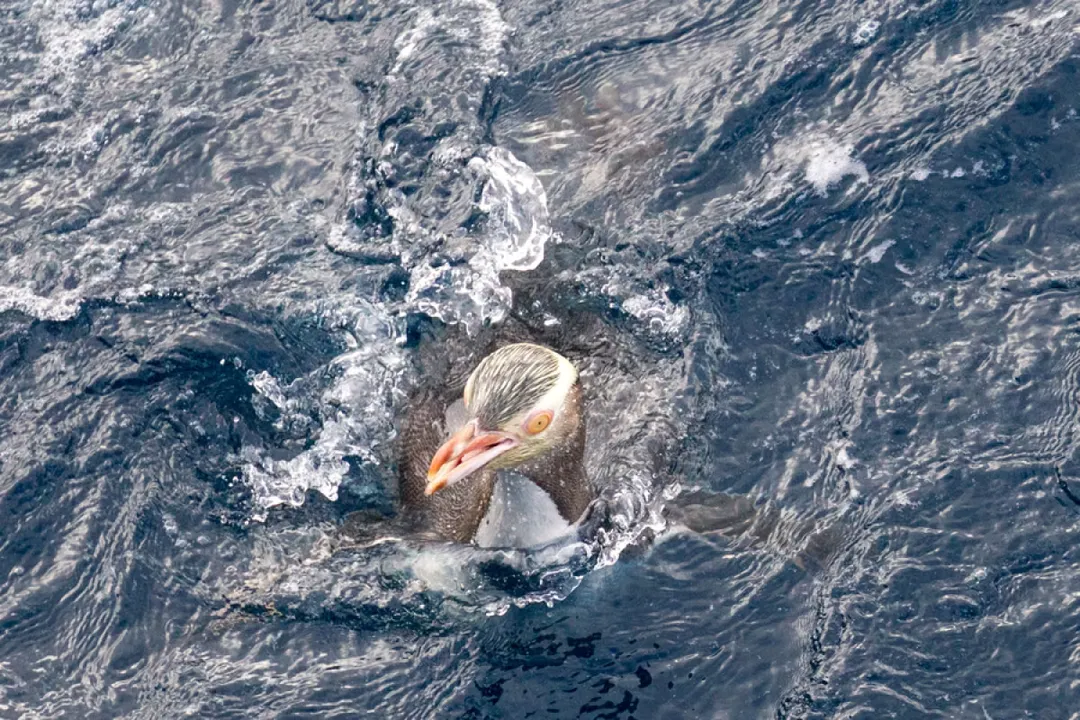
For those interested in locating yellow-eyed penguins in the wild, understanding their behavior is as crucial as knowing their geography. [2] Their shy nature means they often emerge from the sea at dusk and retreat to their nests under the cover of vegetation during the day. [10] This contrasts sharply with the more gregarious species that congregate openly. [2]
While historical records show a wider distribution, including parts of the Chatham Islands, the current, confirmed breeding range is significantly contracted. [1][8] Although they are officially listed as "endangered" in the United States under the Endangered Species Act, this listing reflects their global conservation status due to their small total numbers, rather than indicating a presence within US territory. [5] Their core existence remains firmly rooted in New Zealand waters and coastlines. [4]
To help visualize the distribution, one can think of the coastal zone spanning from the northern limits near Banks Peninsula in the Canterbury region, down through Otago, and encompassing Stewart Island, with the subantarctic islands acting as vital secondary strongholds. [1][6]
Here is a summary focusing on the primary known breeding grounds mentioned across conservation and tourism sources:
| Region Category | Specific Locations Mentioned | Significance/Context | Citation |
|---|---|---|---|
| Mainland South Island | Otago Peninsula | Known area for research and public viewing opportunities. | [9][10] |
| Mainland South Island | The Catlins | Critical area with native coastal forest habitat for nesting. | [9] |
| Mainland South Island | Stewart Island/Rakiura | Important southern breeding ground, slightly more remote. | [1][3] |
| Subantarctic Islands | Campbell Island | Recognized as a major breeding location, potentially less impacted. | [1][4] |
| Subantarctic Islands | Auckland Island | Part of the crucial subantarctic refuge population. | [1] |
It is interesting to note that despite being a penguin, the yellow-eyed species is often described as having a somewhat "terrestrial" lifestyle regarding its nesting habits, spending significant time traversing the forest floor between foraging trips, unlike species that nest directly on open beaches or ice. [10][3] This deep reliance on coastal forest cover makes any study of their location inextricably linked to the health of these specific New Zealand coastal ecosystems. [3] For any ecotourist or researcher hoping to see them, knowing that they are likely to be found in the scrub just above the beach, rather than on the sand itself, changes the search strategy entirely. [2][10] This habitat preference suggests that habitat protection efforts must prioritize the integrity of the terrestrial buffer zone immediately adjacent to their marine feeding grounds. [3]
Related Questions
#Citations
Yellow-eyed penguin - Wikipedia
Yellow-Eyed Penguin Facts | New Zealand Wildlife Guide
Yellow-eyed penguin/hoiho: Sea and shore birds
Where do Yellow-Eyed Penguins Live | Heritage Expeditions
Species Profile for yellow-eyed penguin(Megadyptes antipodes)
Yellow-Eyed Penguin - Oceanwide Expeditions
Yellow-eyed Penguin Megadyptes antipodes - eBird
Megadyptes antipodes (yellow-eyed penguin) - Animal Diversity Web
Yellow-eyed Penguin - Catlins, New Zealand
Yellow-Eyed Penguin: Facts, Habitat, Surprising Height & More | Fahlo