Wandering Albatross Physical Characteristics
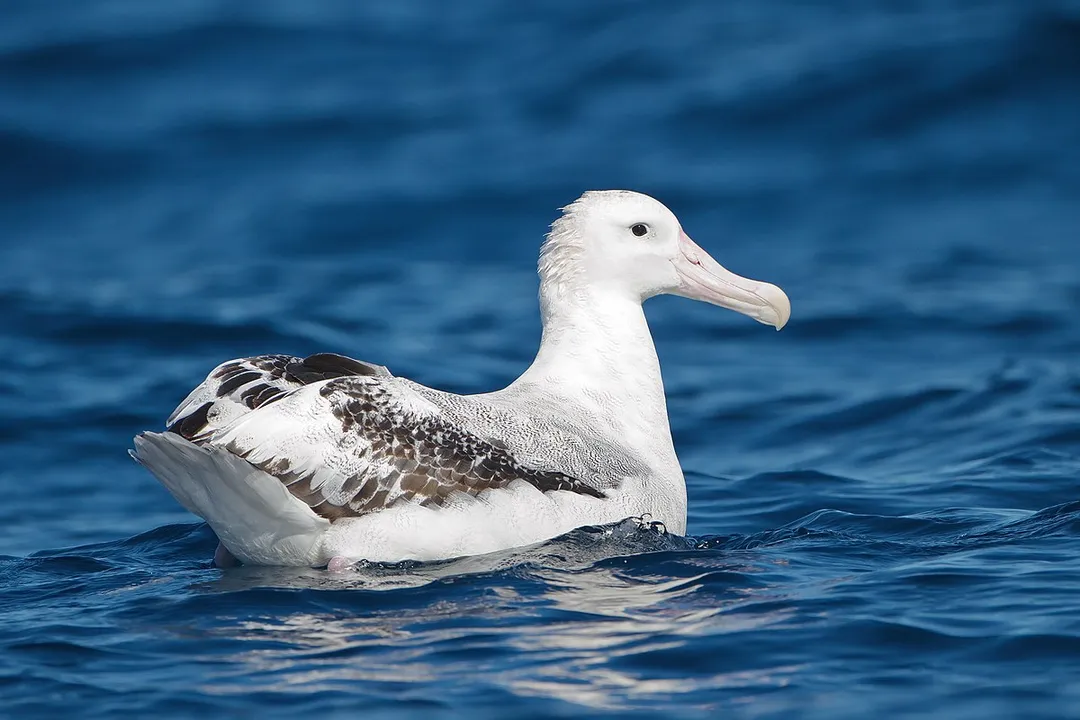
The Wandering Albatross, Diomedea exulans, is an icon of the Southern Ocean, a creature whose very presence seems to speak of endless horizons and the raw power of the wind. Its sheer physical presence dominates the marine environment it inhabits, setting it apart as one of the most magnificent avian specimens on the planet. It is a bird defined by scale, an aviator whose physical attributes are perfectly tuned for a life spent traversing vast oceanic distances with minimal energetic output. To truly appreciate this giant, one must look closely at the specifics of its structure, from the tip of its beak to the end of its impossibly long wings.[1][2][5]
# Wingspan Scale
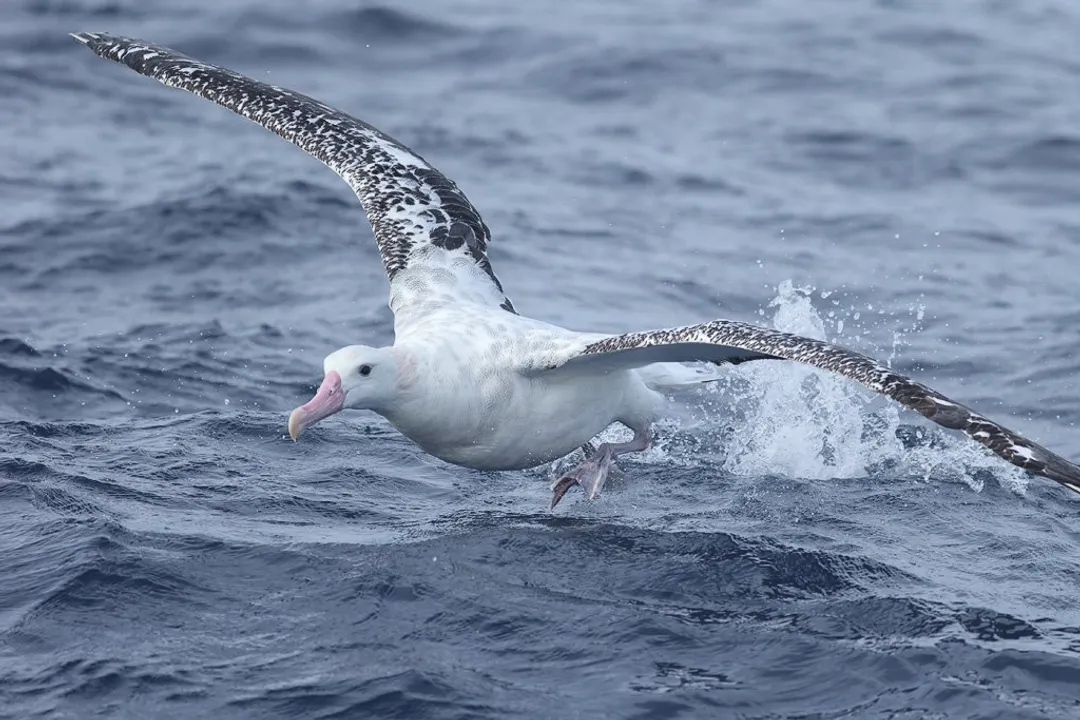
The most defining physical characteristic of the Wandering Albatross is, without a doubt, its colossal wingspan. This measurement places it firmly in the record books, as it boasts the largest wingspan of any living bird species. [1][4][6][8] Descriptions of this span often startle the imagination; figures frequently cite maximum measurements reaching up to 3.5 meters, [1] or even slightly exceeding that, with some historical records suggesting spans close to 3.7 meters (12 feet). [4][6] Another source records the span at 11.5 feet. [8] This extraordinary breadth of wing allows the albatross to master dynamic soaring, a technique that exploits wind gradients over the ocean surface to travel vast distances without needing to flap its wings for hours, sometimes even days, on end. [1][2]
When considering this size, it is helpful to contextualize it against other large birds. While other albatrosses are large, the Wandering Albatross typically exceeds them in wingspan, though there can be some overlap or close competition depending on the subspecies or region studied. [2][5] The sheer surface area of the wings, in proportion to its body mass—which we will discuss shortly—is what grants this bird its near-perpetual gliding capability. [2][8] If you were to take an average adult's wingspan of perhaps 3.2 meters, and consider the low aspect ratio (the ratio of wingspan to wing chord, or width), one can infer an incredibly efficient lift-to-drag ratio. This efficiency isn't just about saving energy; it’s about staying aloft continuously, minimizing the energy spent just maintaining altitude, a critical adaptation for a life where land is a distant necessity rather than a constant presence. [1][4] This wingspan is not static, either; it is an active component, constantly adjusted micro-degrees by the bird to catch the precise air currents needed for its effortless movement across the globe. [2]
# Body Mass Length
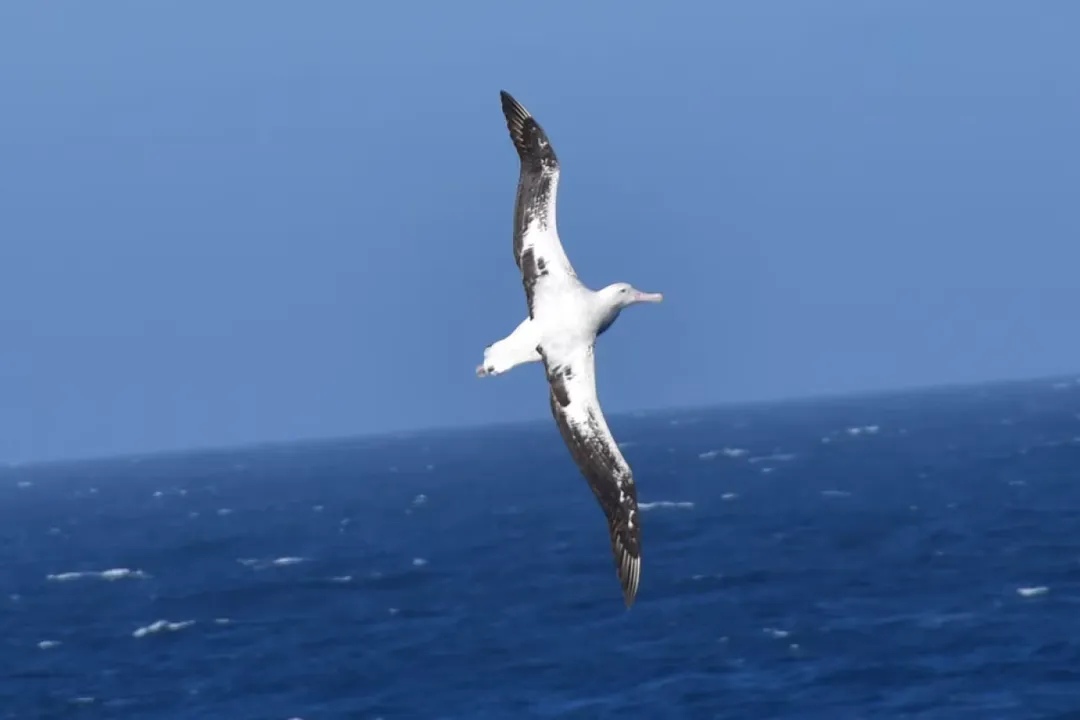
While the wings dictate its aerial dominance, the body of the Wandering Albatross is substantial, yet surprisingly light for its overall size, which is key to its flight. [4] Adult birds typically measure between 107 and 130 centimeters (42 to 51 inches) from the tip of the beak to the tail tip. [2][4] This length makes it one of the largest birds found in the Antarctic and sub-Antarctic regions. [5][6]
In terms of weight, the typical range for a healthy adult hovers between 6 kilograms and 12 kilograms (about 13 to 26 pounds). [4] Interestingly, while most fall within this established range, there are historical records of significantly heavier individuals. Some data points toward specimens recorded as heavy as 16 kilograms (35 pounds). [4] This latter figure is exceptionally heavy for any flying bird and suggests a bird that may have recently fed heavily before being weighed, or perhaps a specimen that was temporarily grounded and less streamlined for flight. [4] The necessity for light weight relative to wingspan cannot be overstated; a bird that heavy with those wings would expend far more energy simply taking off and maneuvering than one at the 6–12 kg range, meaning the average weight is the more ecologically relevant figure for sustained travel. [2] The structural design prioritizes airworthiness over sheer bulk. [4]
# Plumage Maturation
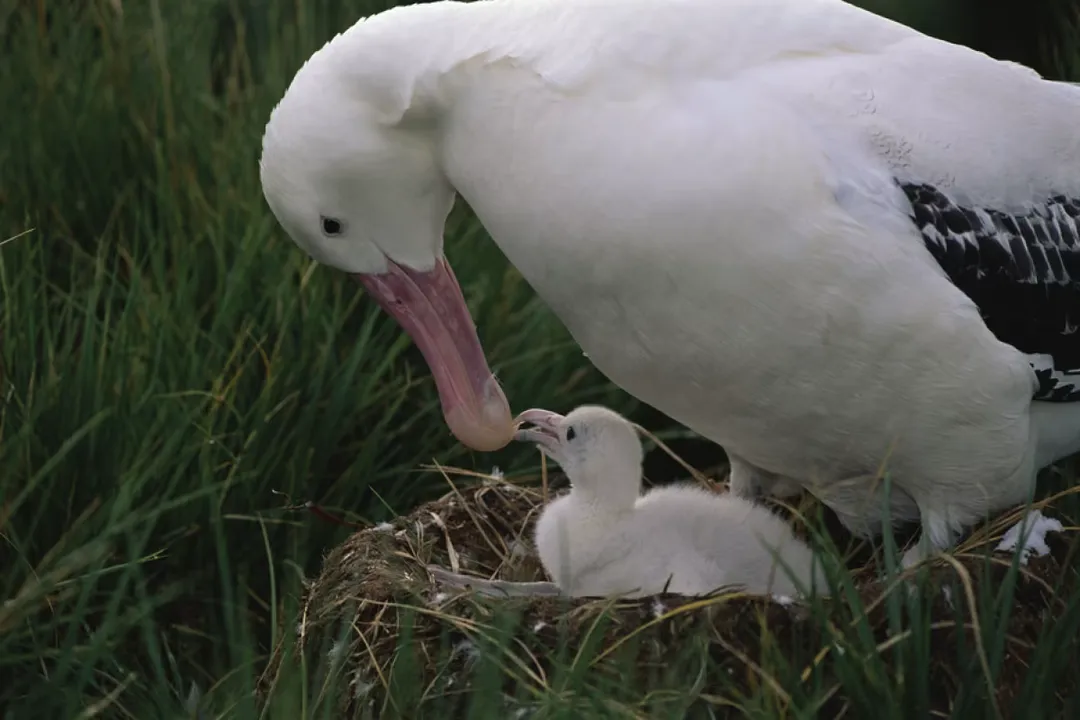
The visual identity of the Wandering Albatross shifts dramatically throughout its long life, providing a fascinating study in avian aging and camouflage adaptation. The plumage is not uniform across all ages or even between sexes. [2][7]
Juvenile birds present a markedly different appearance than the iconic adults. When they first fledge, their bodies are largely covered in dark, sooty brown or almost black plumage. [4][7] This dark coloring likely offers some degree of protective camouflage against predators, or perhaps simply reflects the initial melanin saturation before the demanding process of sustained flight and maturation begins to lighten the feathers. [2]
As the bird matures, this dark coloration gradually recedes, replaced by white feathering. [2][4] This transformation is a slow process, extending over many years. Adults are generally predominantly white on their body and head. [2][5] However, even among mature birds, differentiation remains. Males tend to become significantly whiter than females as they age, often presenting as almost entirely white on the head and body, with only dark primary and secondary feathers visible on the upper surface of the wings. [2] Females, even when fully mature, tend to retain more dark mottling or markings, particularly on the back and the leading edges of their wings. [2][5]
This progressive lightening means that an observer might see individuals of the same species exhibiting entirely different color palettes depending on their age—from dark brown juveniles to predominantly white, dark-edged adults. [7] Given that albatrosses have exceptionally long lifespans, sometimes reaching several decades, this slow maturation to the distinctive white adult plumage represents a significant fraction of their entire life dedicated to growing into their final appearance. [4] One might posit that this slow transition is tied to the energy demands of reaching full flight capability and reproductive maturity, suggesting that the energy budget is prioritized toward survival and flight mechanics before investing fully in the lighter, perhaps more conspicuous, adult coloration. [2][7]
# Head Bill Feet
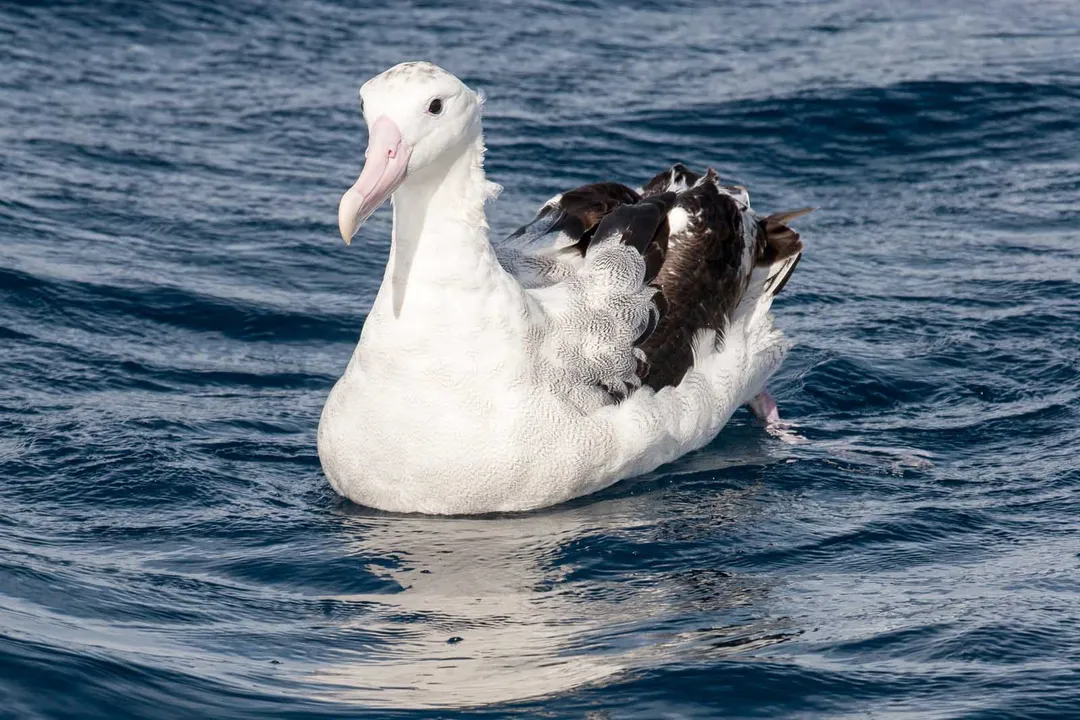
Beyond the sweeping dimensions of its wings and body, the smaller, more intimate features of the Wandering Albatross reveal specialized tools for its oceanic existence. [5][9]
# Bill Structure
The bill is a powerful and essential piece of equipment for this surface-feeding seabird. It is described as large, robust, and possessing a distinct pale coloration, often appearing as a pale pinkish-yellow hue. [2][5][9] A crucial feature is the hooked tip of the upper mandible. This hook, or nail, provides the necessary grip when tearing into squid, fish, or carrion encountered on the water's surface. [2][5] The sheer size and strength of the bill are indicative of a diet that requires significant tearing force, contrasting with the finer picking movements of smaller shorebirds. [9]
# Ocular Features
The eyes of the Wandering Albatross are adapted for spotting food over vast, often featureless, expanses of open ocean and for navigating under variable light conditions. While specific details about their visual acuity aren't always emphasized in general descriptions, their success as long-range foragers confirms highly developed eyesight. [2]
# Limb Details
The legs and feet are designed not for walking on land—which they do poorly, appearing somewhat ungainly on shore—but for buoyancy and propulsion in the water. [2] The feet are webbed, a characteristic adaptation for swimming and paddling when necessary. [2] The coloration of these limbs is typically dark, described as dark grey to black. [2] While they spend most of their time airborne, the structural integrity of these limbs is vital for their brief terrestrial interactions, such as nesting and mating rituals, and for aiding stability when resting on rough seas. [2][4]

# Surface Features Texture
The feathering across the body, once the bird achieves its adult white coloration, is smooth and dense, providing the necessary insulation against the cold Southern Ocean air and water, even though they spend little time swimming relative to flying. [2][5] The contrast between the mostly white underside and the leading edges of the dark upper wings is key to identifying the species in flight from a distance. [2] When observed up close, the texture of the feathers is engineered for aerodynamics, minimizing drag as the massive wings slice through the air. [1][4]
To summarize the primary physical markers that distinguish this giant, one might look for this combination:
| Characteristic | Typical Measurement/Description | Notes |
|---|---|---|
| Wingspan (Max) | Up to 3.7 meters (12 feet) | World's longest wingspan [1][4] |
| Body Length | 107–130 cm (42–51 in) | Significant body mass for flight [2] |
| Adult Weight | 6–12 kg (13–26 lb) | Can occasionally exceed 16 kg when heavy [4] |
| Juvenile Color | Mostly sooty brown/dark | Gradually lightens over years [7] |
| Adult Bill | Pale pinkish-yellow, hooked tip | Powerful tool for feeding [5][9] |
This amalgamation of characteristics—extreme wingspan, optimized weight, and age-dependent camouflage—makes the Wandering Albatross a marvel of natural engineering, perfectly calibrated for the demanding, windy environment of the far southern latitudes. [1][2][5]
Related Questions
#Citations
Wildlife Guide: Wandering Albatross Facts - Quark Expeditions
Facts, pictures & more about Wandering Albatross
Diomedea exulans (wandering albatross) - Animal Diversity Web
Snowy albatross - Wikipedia
Wandering Albatross - Polar Latitudes Expeditions
Wandering Albatross: Iconic Ocean Gliders with the Longest Wingspan
Wandering Albatross - The Australian Museum
Wandering albatross | Toroa | New Zealand Birds Online
10 Fascinating Facts About the Wandering Albatross - Polar Tours