Where do soft ticks typically digest and molt after rapid feeding?
Answer
In the safety of a burrow or nest site
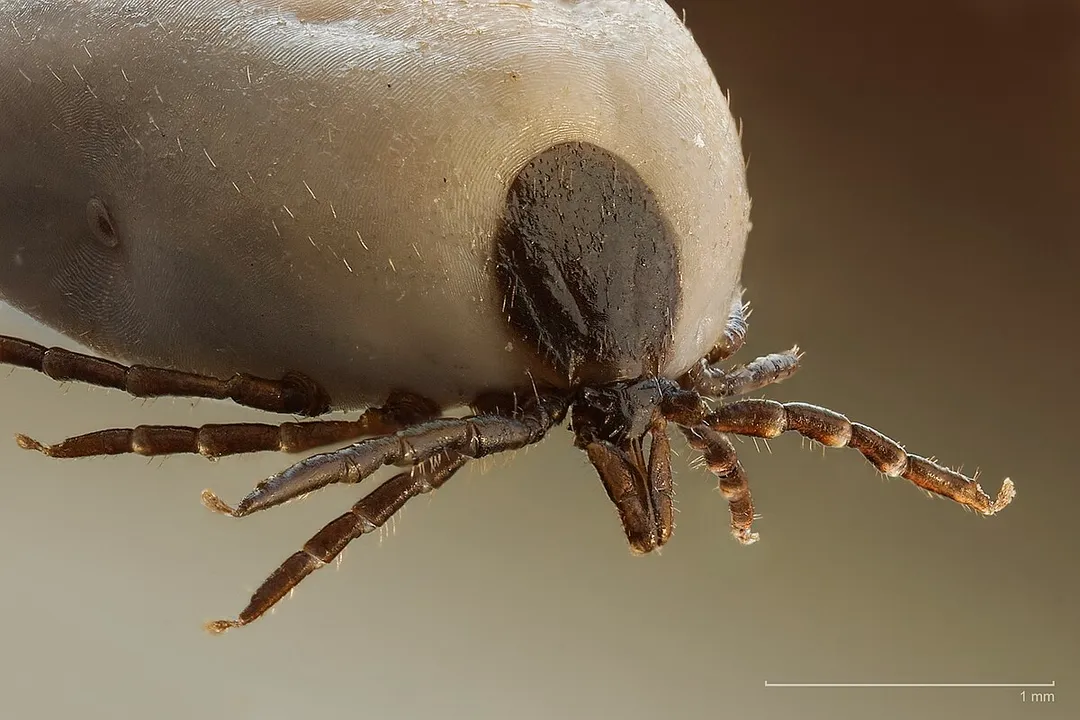
A key behavioral difference separating soft ticks (Argasidae) from hard ticks involves their post-feeding behavior. Soft ticks are characterized by feeding relatively quickly and then detaching from the host. Once detached, they retreat to the secure environment of a host's burrow or nest site where they can undergo digestion, molt to the next life stage, or lay eggs without the immediate risk of host defense mechanisms. This contrasts sharply with many hard ticks, which remain attached for extended periods while engorging.
Related Questions
When did tick divergence from other mites potentially begin according to genetic analysis?What unique parasitic role defines ticks within the Acari group?What defined the fundamental evolutionary turning point for ticks?What structural feature characterizes hard ticks like Dermacentor andersoni?What feeding strategy characterizes the Dermacentor genus regarding hosts?Where do soft ticks typically digest and molt after rapid feeding?Which two serious agents is Dermacentor andersoni best known for transmitting?What highly refined evolutionary trait makes ticks formidable vectors regarding pathogen carriage?What is the intended function of the complex saliva components introduced by ticks during feeding?What molecular tools do researchers use to reconstruct divergence times between tick groups?