What is the intended function of the complex saliva components introduced by ticks during feeding?
Answer
To keep blood flowing and modulate the host's inflammatory response
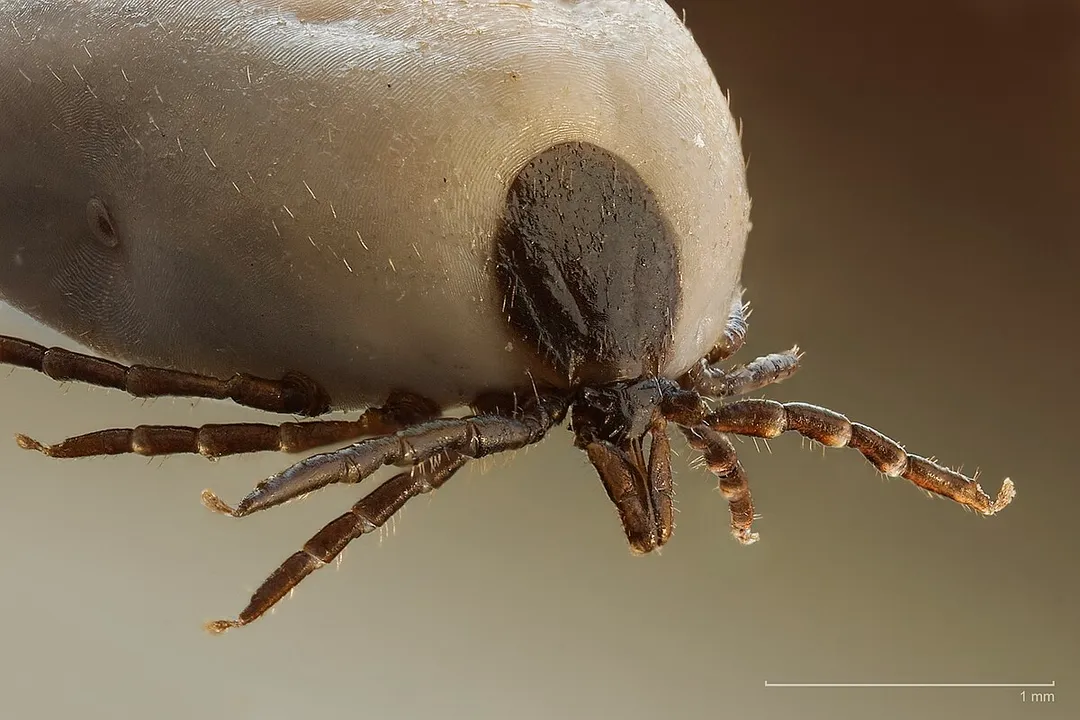
The complex mixture of chemical compounds found in tick saliva serves a crucial purpose for the parasite during the feeding process. These components are evolved over millennia to perform two primary functions simultaneously: ensuring a continuous flow of blood by preventing coagulation, and keeping the host largely unaware or unreactive by modulating or suppressing the host's inflammatory response. This suppression of host defenses unfortunately creates an ideal, unobstructed pathway for any symbiotic pathogens the tick is carrying to successfully enter the host's bloodstream.
Related Questions
When did tick divergence from other mites potentially begin according to genetic analysis?What unique parasitic role defines ticks within the Acari group?What defined the fundamental evolutionary turning point for ticks?What structural feature characterizes hard ticks like Dermacentor andersoni?What feeding strategy characterizes the Dermacentor genus regarding hosts?Where do soft ticks typically digest and molt after rapid feeding?Which two serious agents is Dermacentor andersoni best known for transmitting?What highly refined evolutionary trait makes ticks formidable vectors regarding pathogen carriage?What is the intended function of the complex saliva components introduced by ticks during feeding?What molecular tools do researchers use to reconstruct divergence times between tick groups?