Wood Turtle Evolution
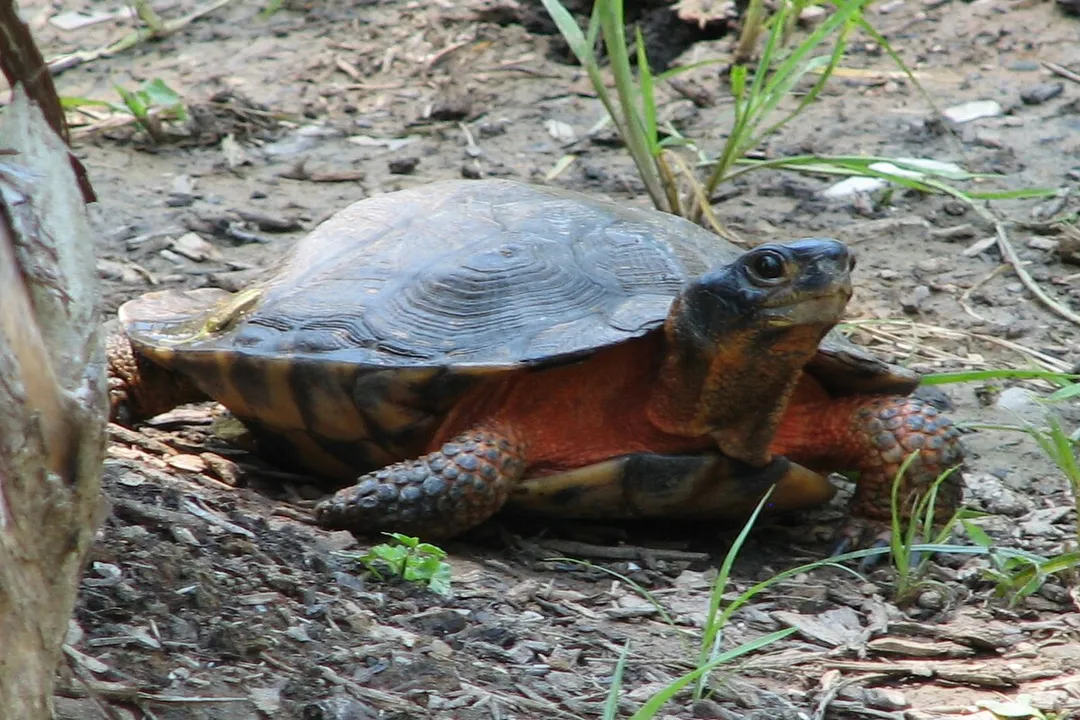
The lineage that produced the modern Wood Turtle, Glyptemys insculpta, is a fascinating chapter in chelonian history, marked by specific adaptations to temperate, riparian environments across eastern North America. [1][5][6] Understanding its evolution requires looking not just at deep time, but also at the pressures that shaped its relatively specialized life history traits. This turtle belongs to the family Emydidae, a large group of freshwater and semi-aquatic turtles, and its placement within the taxonomy has seen some refinement over the years. [2]
# Taxonomic Placement
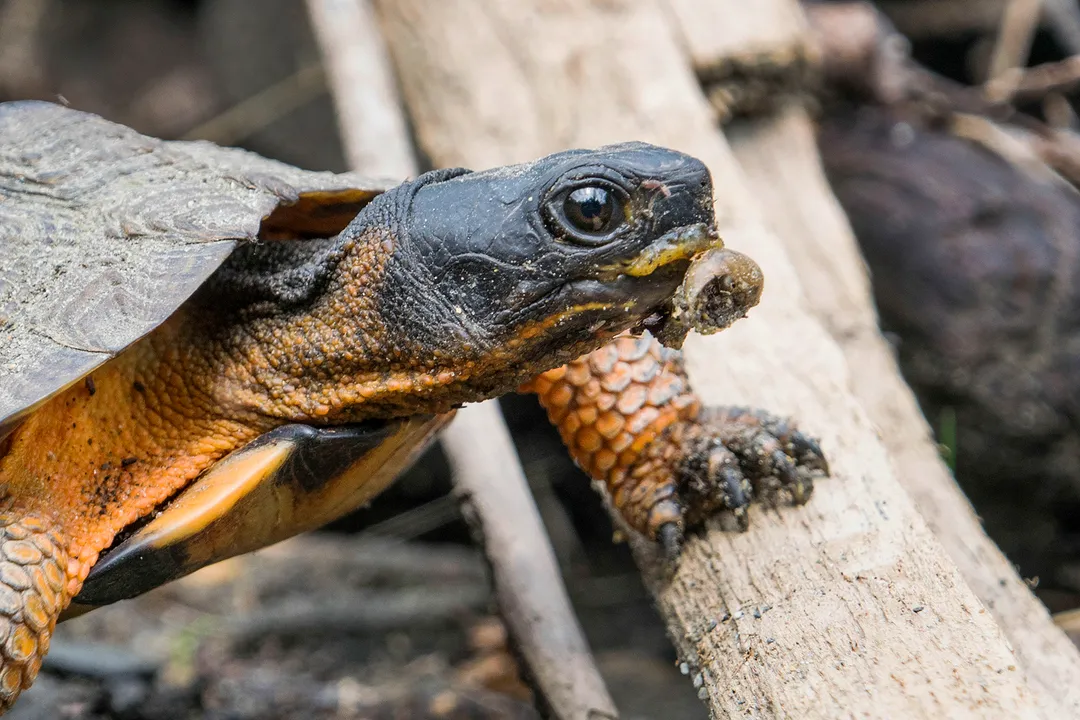
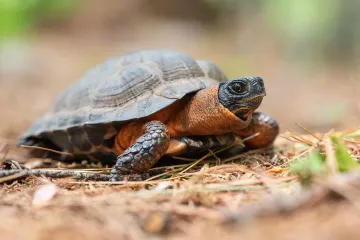
Historically, the Wood Turtle was grouped within the genus Clemmys. [2] However, modern systematic analyses, often employing molecular data, have refined its classification, placing it within the genus Glyptemys. [2][3] This genus currently comprises only two recognized species: the Wood Turtle (G. insculpta) and the Bog Turtle (G. muhlenbergii). [3] This small genus size is itself a clue about the evolutionary trajectory—perhaps indicating strong specialization or a relatively recent divergence from a common ancestor, rather than broad, successful adaptive radiation within that specific lineage. [3] For clarity in identification, the Wood Turtle is distinct, characterized by its heavily sculptured carapace, often described as having ridges or raised scutes, giving it a somewhat rugged appearance. [1][6]
# Phylogenetic History
The evolutionary relationship between the Wood Turtle and its closest relatives provides a clearer picture of its deep history. Research indicates that the genus Glyptemys is sister to the genus Clemmys, which includes the Spotted Turtle (C. guttata). [3] This suggests a shared ancestral lineage that split before the diversification seen in other emydid groups.
When examining molecular data, researchers have attempted to date these divergences. Studies focusing on the evolution of the Wood Turtle have mapped out this genetic separation using phylogenetic methods. [3] While the precise timing of these splits is subject to ongoing refinement based on new genetic markers and calibration methods, the positioning confirms that G. insculpta is not an ancient, isolated lineage but rather part of a closely related pair within the broader Emydidae framework. [3] The evolutionary success of this genus appears tied to specific ecological niches; they have not diversified into the wide array of habitats occupied by some of their relatives, such as the pond turtles. [2][6]
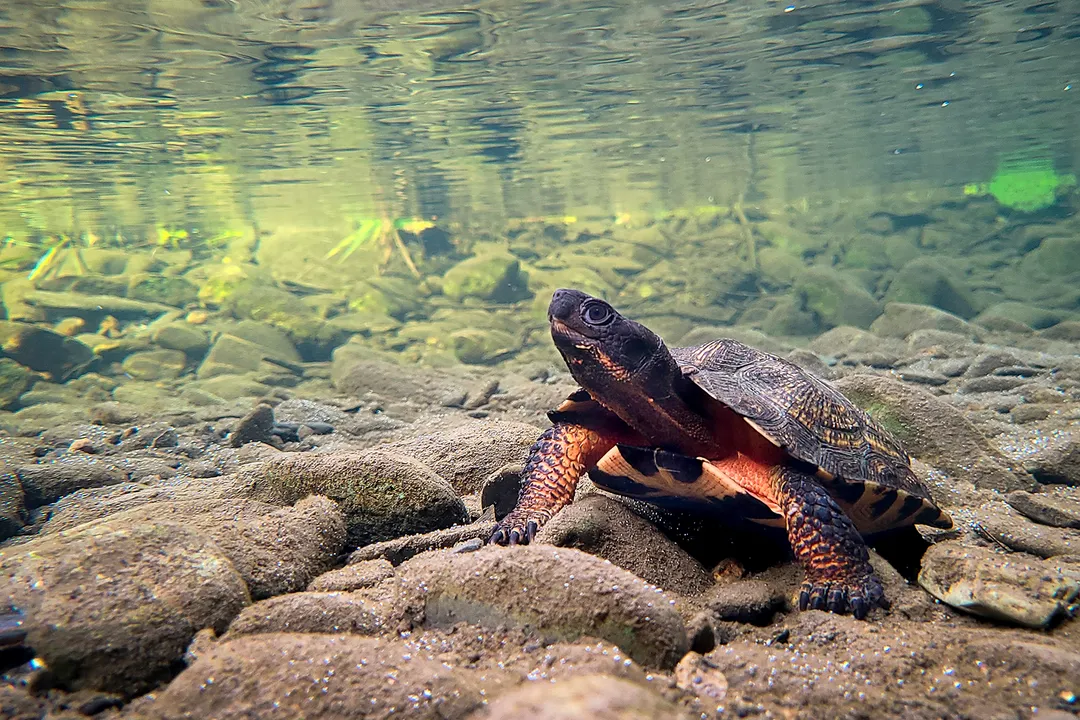
It is worth noting that the divergence between Glyptemys species and their relatives has been associated with adaptations to terrestrial or semi-terrestrial habits, a pattern seen in many turtle groups where aquatic forms transition toward drier habitats. [3] The Wood Turtle exemplifies this intermediate stage, being highly dependent on clean, flowing water bodies for survival and hibernation, yet spending the majority of its active months on land in adjacent fields, forests, and meadows. [1][4][6]
# Trait Evolution
Evolutionary pressures mold morphology and behavior. For the Wood Turtle, several key life history traits have developed that define its ecological role and, consequently, its vulnerability to modern changes. These traits are classic examples of K-selection, favoring survival and good parental investment over high reproductive output. [4][5]
Key life history characteristics include:
- Longevity and Maturity: Wood Turtles are known for their long lifespans, sometimes exceeding 50 years in the wild. [1][4] Crucially, they reach sexual maturity quite late, often not until they are 12 to 20 years old. [1][4][5]
- Reproductive Output: In contrast to species that produce hundreds of eggs, the Wood Turtle typically lays a relatively small clutch, averaging around 7 to 11 eggs per nest. [1][5] Nesting is generally restricted to sandy or gravelly soils near streams. [1][6]
These K-selected traits suggest an evolutionary history where individual survival and successful establishment in stable, high-quality riparian habitats were more important than rapid population turnover. [4] In a stable, ancient environment, a long life allowed repeated reproductive attempts, offsetting the low annual fecundity. The highly sculpted shell itself may be viewed as an evolutionary investment in defense, allowing the turtle to survive encounters with predators over many decades. [1]
Considering the ecological pressures: the reliance on specific stream corridors for hibernation and adjacent uplands for summer foraging suggests a strong selective advantage for strong navigation skills and fidelity to these areas. If an ancestral population became fragmented, those individuals unable to maintain access to both wet and dry habitat components—stream banks for nesting, stream beds for overwintering—would likely fail to reproduce successfully, reinforcing the tight evolutionary link to these specific environmental features. [4][6] This tight ecological coupling is a strong evolutionary signature.
# Habitat Selection
The defining characteristic that has driven the evolution of the Wood Turtle is its semi-aquatic, riparian lifestyle. [4] Unlike many Emydids that are strictly aquatic or terrestrial, G. insculpta requires a dynamic interface between terrestrial and freshwater habitats. [1][6] The evolution of this behavior pattern is critical. The turtle forages on a varied diet of vegetation, invertebrates, and small vertebrates, often moving into meadows and fields away from the immediate stream edge during the warm, active months. [1][4]
This behavior results in a unique pattern of habitat use that is directly tied to seasonal change. They enter hibernation (brumation) in the fall and emerge in the spring from the stream or river bottom, often burrowing into the soft substrate or hiding under submerged logs. [1][6] The specific requirements for clean, oxygenated water during brumation, combined with the need for well-drained, sunny spots for nesting, place significant evolutionary constraints on where the species can thrive. [4] Any evolutionary pressures favoring generalist habitat use, for instance, moving further into deep forests or exclusively to dry uplands, would likely have been counter-selected because it would compromise the essential overwintering requirement. [3]
A useful way to visualize this niche specialization is by considering the relative availability of required resources across the landscape. A mature forest bordering a slow, silty pond offers abundant summer food but poor overwintering sites. Conversely, a highly developed agricultural field might offer easy movement but poor cover and high risk of desiccation or predation. The successful Wood Turtle phenotype evolved to balance these needs within the moving zone of the stream corridor. [4] This means that the species' evolutionary success has been historically tied to the health and connectivity of these river systems, not just the presence of turtles in the general region. This specialization may explain why, despite a relatively wide historical range, the species has remained taxonomically restricted to just two species in its genus. [3]
# Conservation Pressures
The very evolutionary traits that may have conferred success in the past are now contributing to severe population declines. [7] The long generation time and late maturity mean that populations are extremely slow to recover from losses. [1][4] If a population loses many adults due to road mortality or habitat destruction, it might take two decades or more before the next cohort reaches reproductive age, assuming the habitat remains intact long enough. [5]
This inherent biological characteristic demands a specific conservation response. When managing a species that reaches maturity at 15 years old, conservation efforts focused solely on protecting nesting sites are insufficient if adult mortality rates remain high; the time lag means that habitat protection today only benefits future generations rather than immediately stabilizing the current breeding pool. This contrasts sharply with species that mature in two years, where recovery from setbacks can be much faster. The low recruitment rate inherent to G. insculpta evolution magnifies the impact of modern stressors like increased road density, which causes significant adult mortality. [1][4] The genetic viability of small, isolated populations resulting from habitat fragmentation also becomes a concern, potentially leading to inbreeding depression which, over time, erodes the very adaptations that allowed them to thrive previously. [5]
# Field Observations
Long-term studies provide the data needed to confirm these evolutionary predictions about survival. One eighteen-year mark-recapture study indicated that in a specific population, the average annual apparent survival rate for males was approximately 77% and for females was around 81%. [9] While these numbers might seem high compared to more vulnerable species, they are insufficient to maintain a growing or even stable population when recruitment (the number of hatchlings surviving to maturity) is low, especially given the late age of first reproduction. [9]
Analyzing data from such studies helps researchers infer the necessary demographic targets for population stability. For a K-selected species like the Wood Turtle, maintaining high adult survival is the single most critical factor, as replacing a 40-year-old breeder is extremely difficult through new recruitment. [4]
# Range and Status
The historical distribution of the Wood Turtle stretches across numerous states and Canadian provinces, from Georgia north to New Brunswick and west to Wisconsin. [1][6] However, documenting this historical range versus the current occupied range is essential for understanding evolutionary contraction. Due to increasing threats, NatureServe currently lists the global status of Glyptemys insculpta as Vulnerable. [5] This classification reflects significant global declines, even though state-level statuses vary, with some jurisdictions listing it as Threatened or Endangered. [5][7]
The pattern of range contraction often follows the loss of high-quality riparian zones—the very environments their evolution has so perfectly tailored them for. Where continuous, unpolluted streams are replaced by ditch systems or heavily developed banks, the turtle's specialized niche vanishes, leading to local extirpations that are unlikely to be naturally re-colonized due to low dispersal rates in mature adults. [1]
The turtle's resilience is heavily dependent on the integrity of its ecosystem. In areas where habitat connectivity is maintained, allowing individuals to move between summer foraging grounds and overwintering streams without encountering excessive human disturbance, the species maintains a foothold. The evidence suggests that the evolution of G. insculpta has equipped it for persistence in relatively stable, intact ecological communities, making it an excellent indicator species for the health of temperate North American river corridors. [4]
Related Questions
#Citations
The Natural History of the North American Wood Turtle - Ozark Exotics
Wood turtle - Wikipedia
(PDF) Evolution of the Wood Turtle - ResearchGate
Biology and Conservation of the Wood Turtle
Glyptemys insculpta - Wood Turtle - NatureServe Explorer
Glyptemys insculpta ((North American) Wood Turtle) | INFORMATION
Wood Turtle - The Orianne Society
(North American) Wood Turtle - BioKIDS
An 18-Year Mark–Recapture Study of Wood Turtles (Glyptemys ...
Wood Turtle - Loudoun Wildlife Conservancy