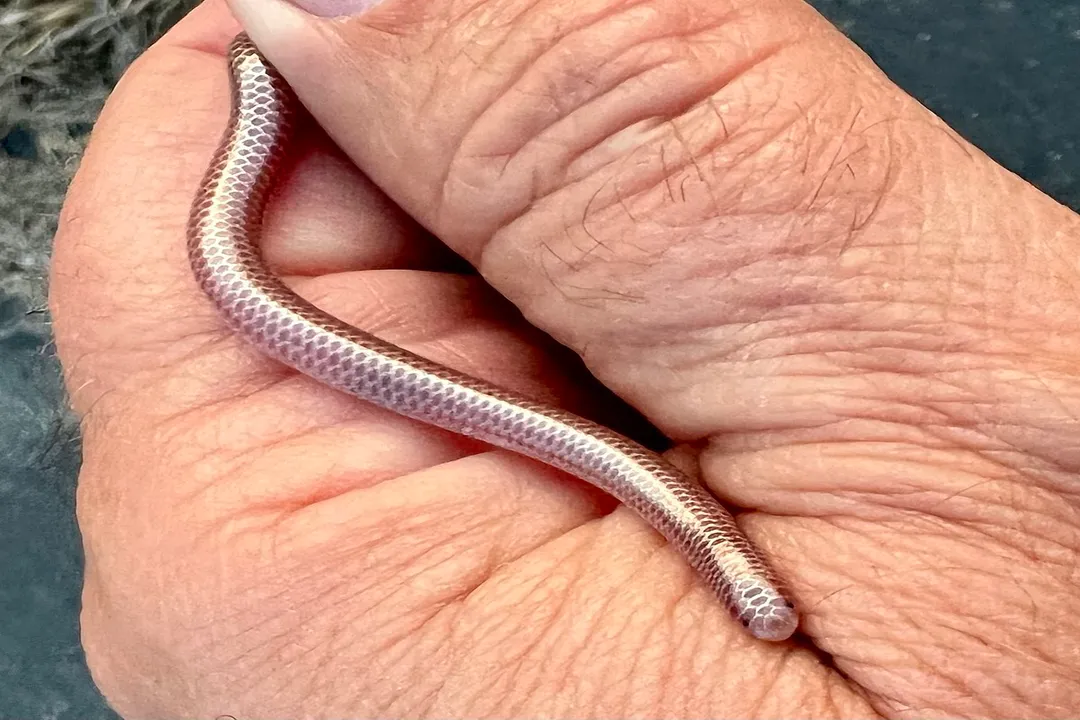
What surprising mechanism is strongly supported by molecular phylogenies for the dispersal of some blindsnake clades across the Atlantic gap?
Westward transatlantic dispersal through rafting events on floating debris
While continental drift explains the ancient separation of early blindsnake groups, molecular dating revealed a more recent and unexpected mode of long-distance travel within the Typhlopidae family. Phylogenies support a westward transatlantic dispersal event, moving clades from ancestors in Africa to descendants in South America. Given that these organisms are fossorial and seemingly ill-suited for open water, this dispersal must have occurred via 'rafting' events—the colonization of new continents using floating material like soil mats or vegetation carried by ocean currents. The success of these journeys, estimated to take months, implies the snakes possessed exceptional survival traits, notably extremely low metabolic rates.