Western Blind Snake Scientific Classification
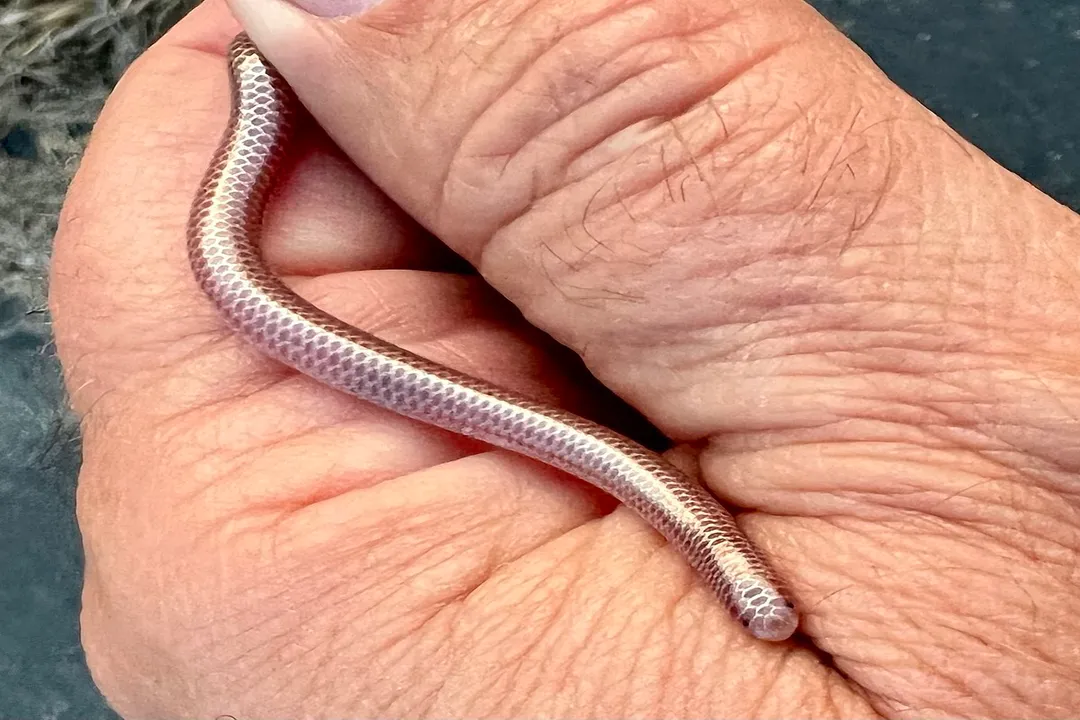
The Western Blind Snake, a creature of the shadows and the soil, holds a fascinating, if sometimes confusing, position within the grand structure of biological classification. To truly appreciate this small reptile, often mistaken for an earthworm due to its size and habits, we must examine the Linnaean hierarchy that defines its existence, tracing its lineage from the broadest kingdom down to its specific species epithet. [1][9] Its scientific designation, Rena humilis, represents the culmination of decades of taxonomic scrutiny and revision, reflecting its unique adaptations for a subterranean lifestyle. [2][6]
# Kingdom Animalia
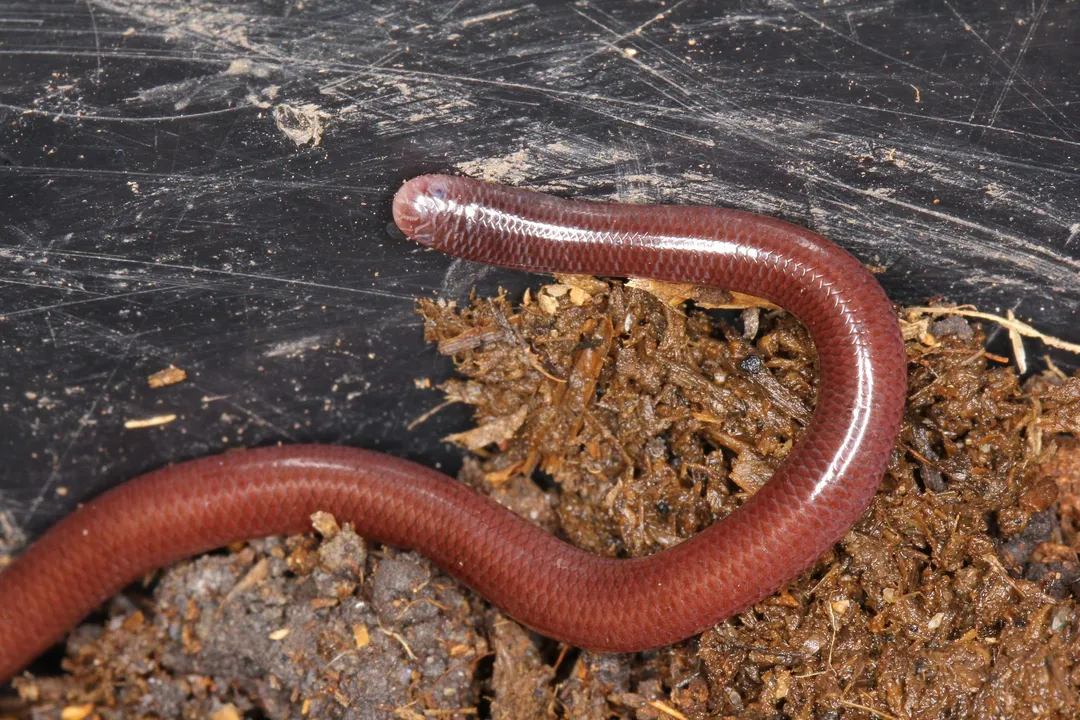
The starting point for classifying any snake, including the Western Blind Snake, places it firmly within the Kingdom Animalia. [1] This category signifies that it is a multicellular, eukaryotic organism whose cells lack cell walls, and it obtains energy by consuming other organisms. [1] This places it alongside everything from sponges to humans, setting the stage for progressively narrower groupings that highlight its shared evolutionary history with other vertebrates.
# Phylum Chordata
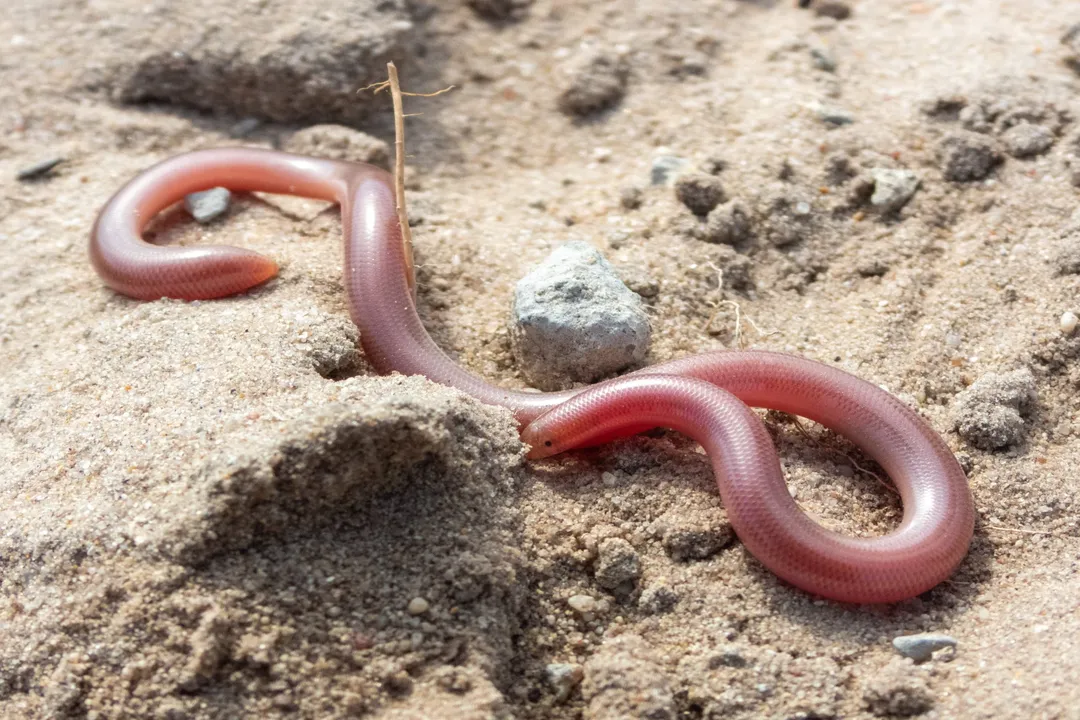
Moving down a level, the snake belongs to the Phylum Chordata. [1] This designation is critical because it means the organism possesses, at some point in its life cycle, a notochord, a dorsal hollow nerve cord, pharyngeal slits, and a post-anal tail. [1] For the Western Blind Snake, these features are evident in its embryonic development, although the adult form exhibits modifications characteristic of highly specialized vertebrates.
# Class Reptilia
Within Chordata, the snake is classified in the Class Reptilia, the reptiles. [1][6] This places it among the tetrapods that breathe air, are covered in scales, and are generally ectothermic (cold-blooded). [1] It shares this class with lizards, turtles, crocodilians, and birds—the latter being descendants of a reptilian lineage. The decision to classify Rena humilis here is straightforward, given its possession of scales and its evolutionary position relative to amphibians.
# Order Squamata
The Order Squamata is where the snake truly begins to look familiar to the general observer. [1][6] This is the largest order of reptiles, encompassing all snakes and lizards. [1] The defining characteristic is the presence of overlapping keratinous scales, which are shed periodically, and a highly kinetic skull structure that permits significant gape, though the Western Blind Snake's skull structure is far more rigid and specialized for burrowing than that of a typical pit viper or colubrid. [1]
# Family Leptotyphlopidae
The classification narrows significantly at the Family level, where Rena humilis is placed in Leptotyphlopidae. [2][6] This family groups together the slender blind snakes, distinct from the superficially similar Scolecophidia (or "true" blind snakes) found in other parts of the world. [2] Snakes in the Leptotyphlopidae family are characterized by several key morphological features that separate them from other snakes, such as having teeth only in the lower jaw, and having smooth scales that are larger than those on the back. [2]
When considering the various small, fossorial (burrowing) snakes, it becomes clear that appearance can be deceiving; the internal skeletal structure and tooth arrangement are what truly solidify the family grouping. For instance, while a threadsnake might visually resemble an earthworm or even a small fossorial lizard, the presence of a vestigial pelvic girdle (though not visible externally) and the specific arrangement of cranial bones firmly anchor it within Leptotyphlopidae rather than within the Viperidae or Colubridae families, which contain many surface-dwelling snakes. [1]
# Genus Rena and Species humilis
The genus and species names provide the most precise identification. The current consensus places the Western Blind Snake in the Genus Rena. [2][6][7] The species epithet is humilis. [2][6] Together, Rena humilis is the accepted binomial nomenclature. [1][7]
The genus Rena encompasses several species of threadsnakes found in the Americas. [6] The specific epithet humilis is Latin for "lowly" or "humble," which is fitting for a small, unassuming snake that spends most of its life beneath the substrate. [1]

# Synonymy and Naming Shifts
A point of frequent confusion in the scientific literature revolves around the historical naming of this species. For a long period, the Western Blind Snake was classified under the genus Leptotyphlops. [5][9] Thus, Leptotyphlops humilis is a widely recognized synonym. [5][9] This change from Leptotyphlops to Rena reflects modern phylogenetic understanding, where molecular and morphological data indicated that the New World species previously grouped under Leptotyphlops needed to be separated into their own distinct genus, Rena. [6] The Reptile Database confirms the current valid combination as Rena humilis. [6]
For example, one source references the subspecies Leptotyphlops humilis segregus. [5] The implications of these synonymies mean that older field guides or historical ecological papers might refer to the snake by its previous name, requiring careful cross-referencing when reviewing historical data on distribution or population studies. [5][9]
# Taxonomic Summary Table
To clearly illustrate this hierarchy, a direct comparison of the accepted classification versus its most common historical name provides useful clarity:
| Taxonomic Rank | Rena humilis (Current) | Leptotyphlops humilis (Synonym) |
|---|---|---|
| Kingdom | Animalia | Animalia |
| Phylum | Chordata | Chordata |
| Class | Reptilia | Reptilia |
| Order | Squamata | Squamata |
| Family | Leptotyphlopidae | Leptotyphlopidae |
| Genus | Rena | Leptotyphlops |
| Species | humilis | humilis |
The stability of the placement within the family Leptotyphlopidae seems high, given that both the current and former classifications place it there, suggesting the primary revision occurred at the generic level, separating it from Old World threadsnakes that might still reside in Leptotyphlops. [2][6]
# Subspecies Identification
The classification does not always end at the species level; regional variations sometimes necessitate the recognition of subspecies. While the overarching term Rena humilis covers the species, there is evidence that geographic isolation has led to distinct regional forms. [5] For instance, the existence of a recognized form such as L. h. segregus suggests that researchers acknowledge differing morphological or genetic characteristics across the snake's range, warranting specific subspecies names to denote these local populations. [5] Recognizing these smaller divisions is vital for conservation efforts, as a threat to one subspecies might not impact another, even if they share the same species name.
# Habitat Influence on Classification
The physical structure and classification of the Western Blind Snake are deeply tied to its environment. Being classified as a fossorial species within the Leptotyphlopidae family explains its highly reduced eyes, small size, and tapered snout, all adaptations for navigating soil and consuming prey like ants and termites. [3][9] While this ecological role does not determine the Linnaean classification, it strongly informs why its morphology aligns with other blind snakes globally, reinforcing its placement within the Leptotyphlopidae family, which is characterized by these specialized tunneling features. [2] Its general description as a "threadsnake" [3] or "blind snake" [9] highlights how common names often reflect the most apparent ecological adaptations rather than the intricate taxonomic details that separate it from other burrowing reptiles.
# Distribution Scope
Understanding where Rena humilis fits geographically also aids in confirming its classification. It is recognized as a species native to certain arid and semi-arid regions of North America, including areas like the Red Cliffs Desert Reserve. [7] This geographic context helps differentiate it from closely related Rena species found in other parts of the Americas, reinforcing the necessity of the species designation humilis. [6]
# Final Placement Insight
The movement within the classification system, specifically the shift in genus, serves as an excellent case study in modern herpetology. It demonstrates that classification is not static but is a dynamic process driven by new scientific evidence, often revealing that superficially similar groups are not as closely related as once thought. [6] For the Western Blind Snake, the transition to Rena shows its specific evolutionary branch within the threadsnakes has been refined, making its current classification more accurate in reflecting its true ancestry compared to older systems that grouped it more broadly under Leptotyphlops. [5][6] This level of taxonomic refinement is necessary to accurately track biodiversity across the planet, ensuring that management and study efforts are focused on the correct evolutionary units.
Ultimately, the scientific classification of the Western Blind Snake—from Animalia down to Rena humilis—provides a precise biological address for this often-overlooked member of the reptile class, placing it squarely within the specialized lineage of the slender blind snakes. [1][2]
Related Questions
#Citations
Rena humilis - Wikipedia
Western Threadsnake (Rena humilis) - iNaturalist
Western Threadsnake - Nevada Department of Wildlife
Wildlife Around Las Vegas, Western Blind Snake (Rena humilis)
NMHS - Leptotyphlops humilis - New Mexico Herpetological Society
Rena humilis BAIRD & GIRARD, 1853 - The Reptile Database
Western Blind Snake (Leptotyphlops humilis)
Rena humilis Facts for Kids
Western Blind Snake | Leptotyphlops humilis | Reptile