What specialized arrangement characterized the dentition of Xenacanthus?
Answer
Herringbone pattern arranged in batteries
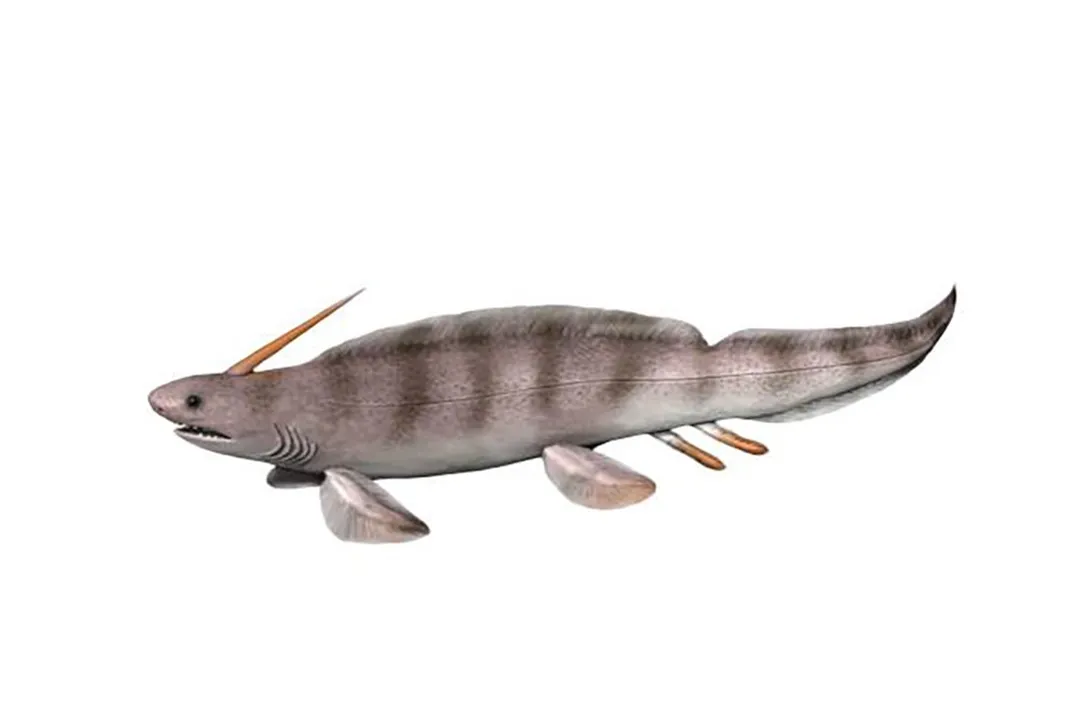
The teeth of *Xenacanthus* represented a significant departure from the triangular, serrated structures commonly seen in later shark groups. Instead, its dentition was highly specialized, arranged in batteries forming a distinctive herringbone pattern that functioned almost like a pincer structure. This unique dental morphology strongly suggests a specialized diet, possibly involving grasping hard-shelled invertebrates or agile prey found in its riverine or lacustrine habitat, differentiating its feeding strategy from those sharks hunting softer-bodied, larger fish.
Related Questions
What does the Greek name Xenacanthus translate to?During which geological periods did Xenacanthus primarily exist?What critical habitat preference distinguishes Xenacanthus from most early sharks?What specialized arrangement characterized the dentition of Xenacanthus?Where does the prominent, long spine that secured the name Xenacanthus project backward from?How is the overall body configuration of Xenacanthus described in anatomical terms?To which extinct branch of elasmobranchs does the genus Xenacanthus belong?Which specific North American location is mentioned for yielding important Xenacanthus specimens during the Permian period?Which combination of features is specifically noted as highly diagnostic for identifying Xenacanthus fossils?What appears to have been the basis of Xenacanthus's early evolutionary success versus modern sharks?