What critical habitat preference distinguishes Xenacanthus from most early sharks?
Answer
Freshwater systems
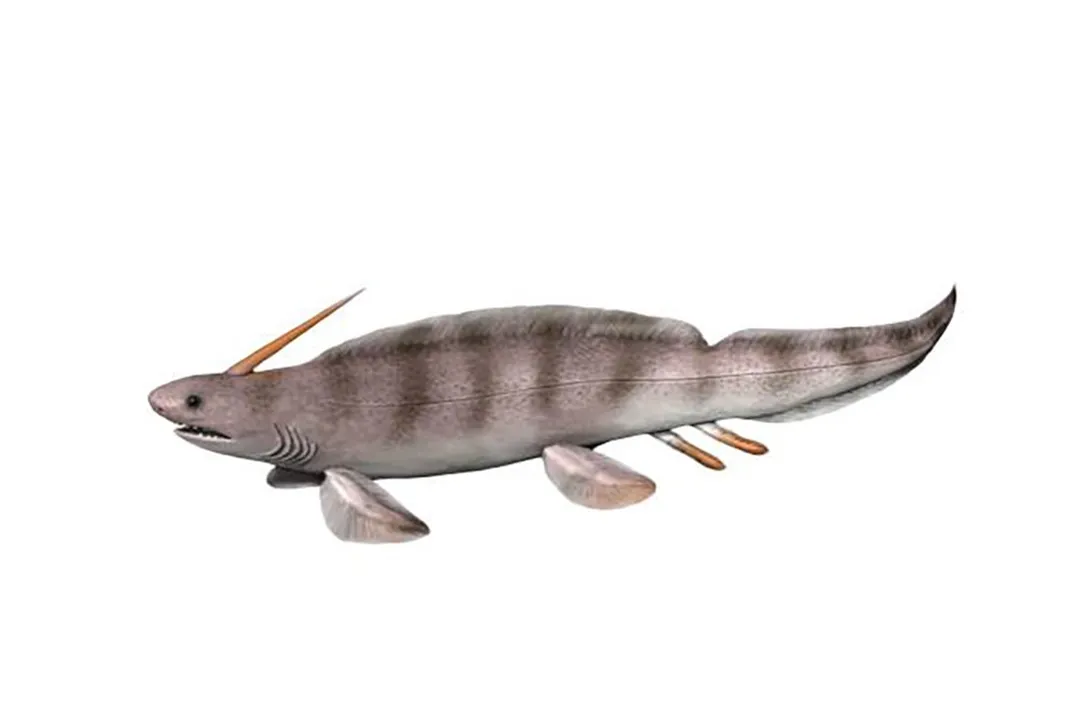
A defining characteristic of *Xenacanthus* is its strong association with freshwater ecosystems, such as ancient rivers or lakes, rather than the predominantly marine environments inhabited by the vast majority of other early shark lineages. This adaptation to freshwater placed it in an ecological niche dealing with factors like fluctuating water levels and potentially lower dissolved oxygen levels compared to the open sea. This specific habitat preference contrasts sharply with the marine orientation typical of most contemporaneous and subsequent shark fossils found in ancient deposits.
Related Questions
What does the Greek name Xenacanthus translate to?During which geological periods did Xenacanthus primarily exist?What critical habitat preference distinguishes Xenacanthus from most early sharks?What specialized arrangement characterized the dentition of Xenacanthus?Where does the prominent, long spine that secured the name Xenacanthus project backward from?How is the overall body configuration of Xenacanthus described in anatomical terms?To which extinct branch of elasmobranchs does the genus Xenacanthus belong?Which specific North American location is mentioned for yielding important Xenacanthus specimens during the Permian period?Which combination of features is specifically noted as highly diagnostic for identifying Xenacanthus fossils?What appears to have been the basis of Xenacanthus's early evolutionary success versus modern sharks?