What does the Greek name Xenacanthus translate to?
Answer
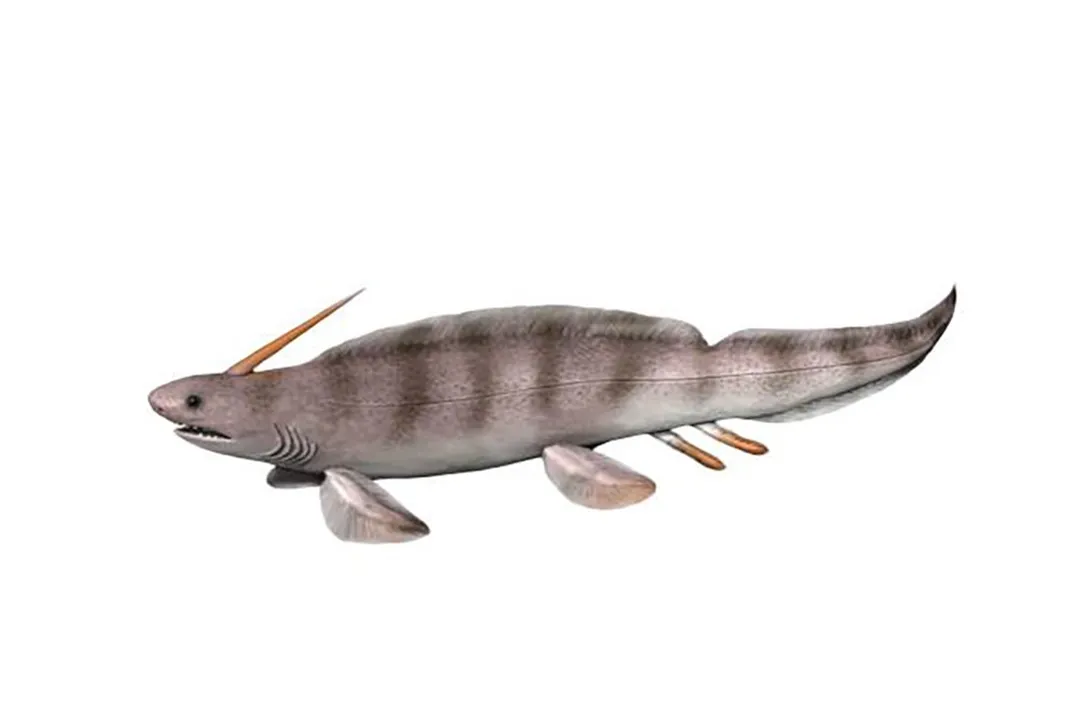
Strange spine
The translation of the name *Xenacanthus* directly reflects its most prominent anatomical feature. Derived from Greek roots, the name means "strange spine." This nomenclature is apt because the creature possessed unique appendages, most notably the large spine projecting from the back of its head, setting it apart from many contemporaries and solidifying its identification across the fossil record. This name serves as an immediate clue to understanding its distinct morphology.
Related Questions
What does the Greek name Xenacanthus translate to?During which geological periods did Xenacanthus primarily exist?What critical habitat preference distinguishes Xenacanthus from most early sharks?What specialized arrangement characterized the dentition of Xenacanthus?Where does the prominent, long spine that secured the name Xenacanthus project backward from?How is the overall body configuration of Xenacanthus described in anatomical terms?To which extinct branch of elasmobranchs does the genus Xenacanthus belong?Which specific North American location is mentioned for yielding important Xenacanthus specimens during the Permian period?Which combination of features is specifically noted as highly diagnostic for identifying Xenacanthus fossils?What appears to have been the basis of Xenacanthus's early evolutionary success versus modern sharks?