How is the overall body configuration of Xenacanthus described in anatomical terms?
Answer
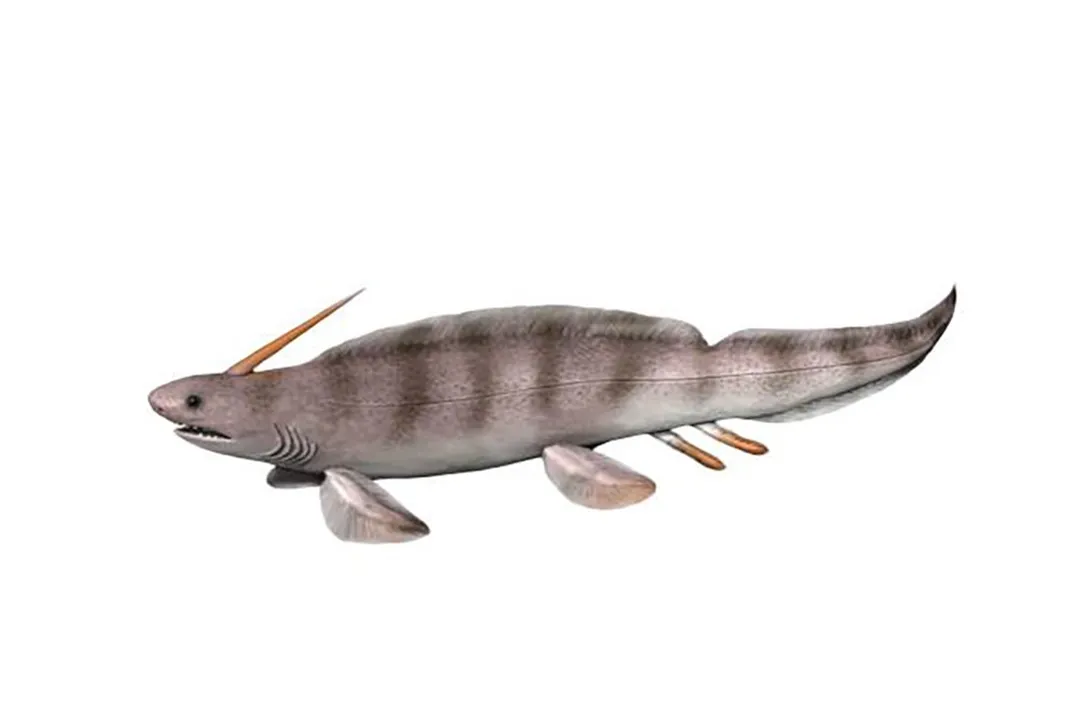
Slender, eel-like body
The physical structure of *Xenacanthus* is characterized by a slender, eel-like body configuration. This elongated morphology suggests adaptations geared toward agility and maneuverability within confined or vegetated aquatic habitats, such as slow-moving rivers or lake bottoms, rather than the streamlined, fusiform shapes optimized for high-speed pursuit in open waters common to many modern sharks. This body plan aligns with its freshwater niche during the Paleozoic Era.
Related Questions
What does the Greek name Xenacanthus translate to?During which geological periods did Xenacanthus primarily exist?What critical habitat preference distinguishes Xenacanthus from most early sharks?What specialized arrangement characterized the dentition of Xenacanthus?Where does the prominent, long spine that secured the name Xenacanthus project backward from?How is the overall body configuration of Xenacanthus described in anatomical terms?To which extinct branch of elasmobranchs does the genus Xenacanthus belong?Which specific North American location is mentioned for yielding important Xenacanthus specimens during the Permian period?Which combination of features is specifically noted as highly diagnostic for identifying Xenacanthus fossils?What appears to have been the basis of Xenacanthus's early evolutionary success versus modern sharks?