Xenacanthus Facts
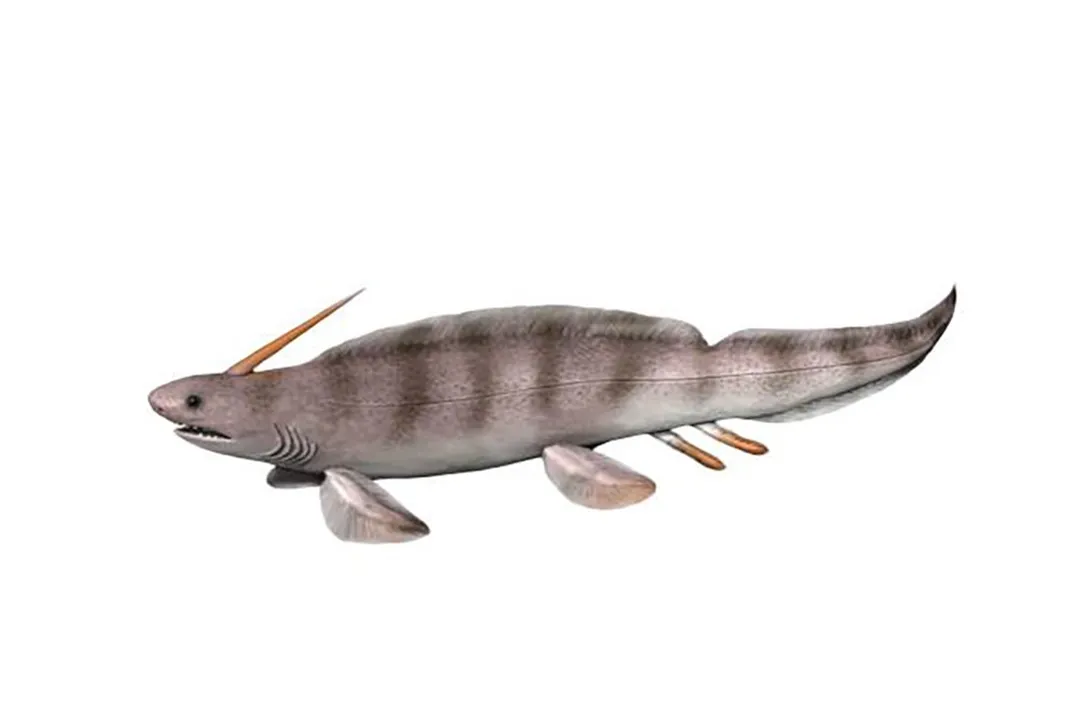
Xenacanthus represents a fascinating, ancient lineage of sharks that swam in freshwater environments long before the age of modern sharks became widespread. These creatures are not direct ancestors to the great white or the hammerhead we see today; rather, they belong to an extinct, distinct branch of elasmobranchs known as the Xenacanthiformes. Their presence in the fossil record bridges the gap between ancient aquatic life and subsequent evolutionary paths, making them essential figures in understanding early chondrichthyan diversity.
# Name Meaning
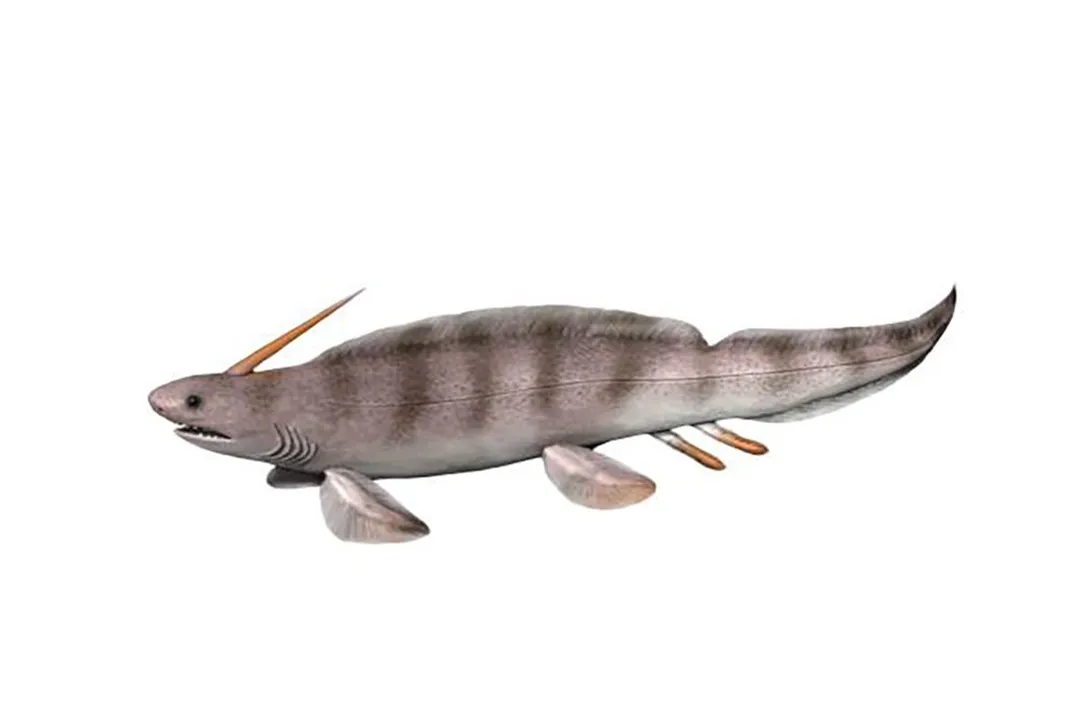
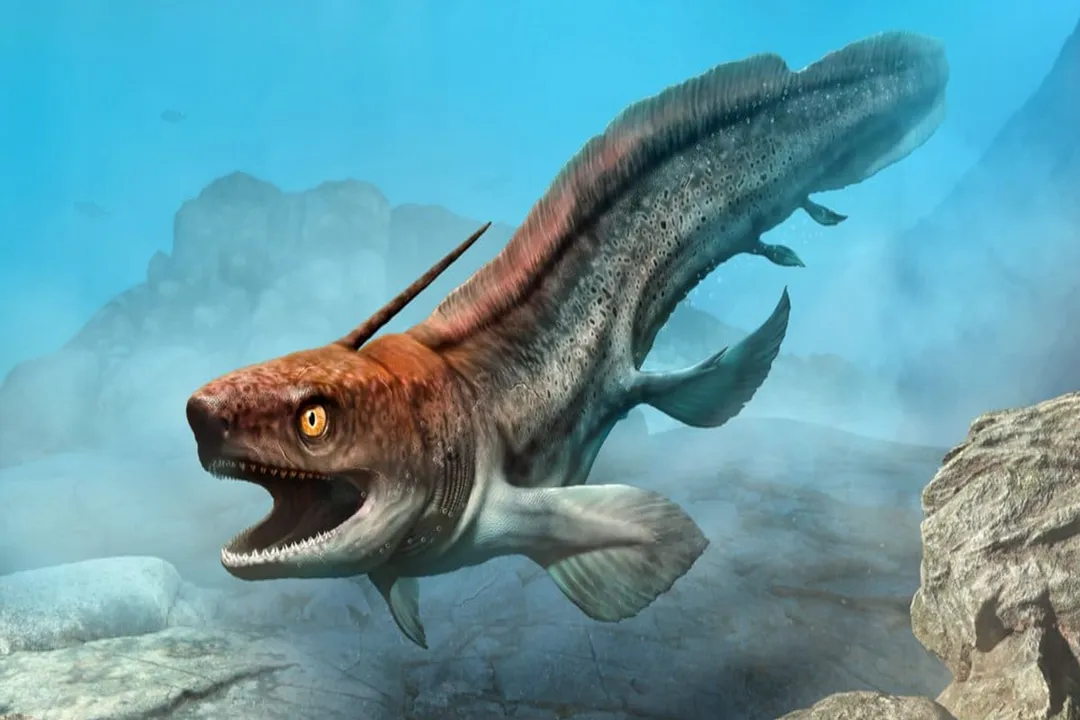
The name itself offers a crucial clue to its most striking physical characteristic. Xenacanthus translates from Greek as "strange spine". This moniker is well-deserved, as this shark sported appendages unlike almost any contemporary fish.
# Ancient Anatomy
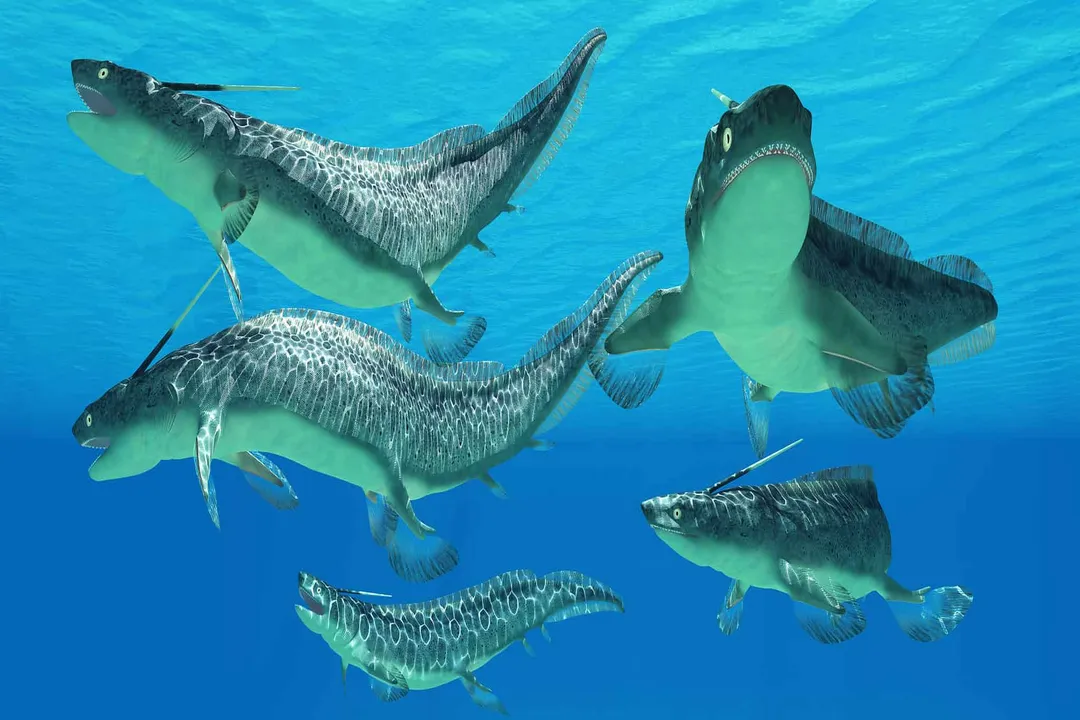
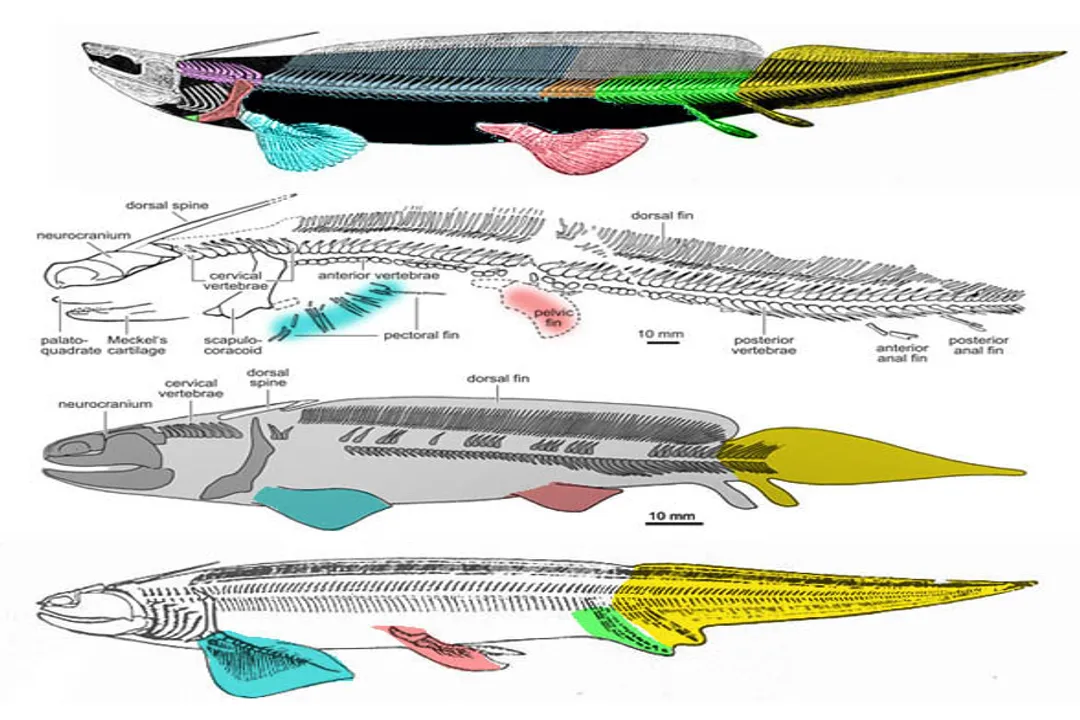
The overall appearance of Xenacanthus would have been immediately recognizable as shark-like, yet distinctly alien to a modern observer. They possessed a slender, eel-like body configuration, which would have made them agile swimmers in their watery habitats.
# Head Spines
The defining anatomical feature, the one that secured its name, was a prominent, long spine projecting backward from the nuchal region, or the back of the head. While some modern fish possess dorsal fins or spines, this particular projection appears unique in its form and placement relative to other well-known shark groups. Further morphological data suggests that a second spine was often present, projecting from the rear end of the tail structure. Considering the pressures of predation and competition in ancient ecosystems, this paired spination might have served as a formidable physical deterrent against larger contemporary predators, offering a passive defense mechanism that relied on shape rather than speed or tooth size alone.
# Dentition
Another feature setting Xenacanthus apart from many of its contemporaries, and certainly from modern sharks, was its dentition. Instead of the typical triangular, serrated teeth seen in many later sharks, Xenacanthus possessed specialized teeth arranged in a distinctive herringbone pattern. These teeth were arranged in batteries, forming a structure that could be described as pincer-like. This difference in dental structure suggests a highly specialized diet, perhaps targeting hard-shelled invertebrates or smaller, faster-moving prey typical of riverine or lacustrine environments, rather than the larger, softer-bodied fish targeted by pelagic predators. Examining these fossilized tooth plates often reveals the extent of this unique adaptation, providing paleontologists with clear markers for identification.
# Geological Span
Xenacanthus fossils are primarily associated with the late Paleozoic Era. Specifically, their existence spans the Carboniferous and Permian periods. This means they inhabited the Earth for tens of millions of years, surviving significant environmental shifts leading up to the Permian-Triassic extinction event, though the genus itself eventually vanished from the fossil record. Discoveries of these fossils have been made in areas that now constitute North America, with specimens originating from locations such as Texas.
# Habitat Preference
The ecological niche occupied by Xenacanthus was decidedly not the open ocean. Evidence strongly points to these creatures being inhabitants of freshwater systems. This freshwater adaptation is a critical point, as it distinguishes them from the vast majority of other early sharks whose fossils are found in marine deposits. Living in rivers or lakes during the Carboniferous and Permian meant dealing with variables like fluctuating water levels, sediment load, and potentially lower dissolved oxygen compared to the sea. The eel-like body form might have been particularly suited for navigating dense aquatic vegetation or sluggish bottom-dwelling behaviors common in such environments.

# Evolutionary Context
The order Xenacanthiformes, to which this genus belongs, represents an early evolutionary divergence within the cartilaginous fishes. It is important to remember that Xenacanthus was not merely an archaic shark; it was part of a successful, ancient group that carved out a specific freshwater ecological role.
A comparison between their morphology and modern freshwater elasmobranchs, such as some stingrays or smaller sharks found in specific river systems today, shows that while the evolutionary lines diverged long ago, the success of surviving in a freshwater environment has been achieved multiple times within the broader shark family. However, the specific combination of the twin spines and the herringbone teeth makes the Xenacanthus lineage unique among these separate evolutionary achievements. The persistence of this group through the Permian suggests their adaptations were highly effective for their specific environmental pressures over a substantial geological timescale.
| Trait | Xenacanthus Morphology | Contrast with Modern Sharks (General) |
|---|---|---|
| Habitat | Primarily Freshwater | Primarily Marine |
| Body Shape | Slender, eel-like | Varies, often fusiform/streamlined |
| Head Spines | Distinct posterior nuchal spine and caudal spine | Absent or structurally different |
| Teeth | Herringbone/pincer arrangement | Triangular, serrated (common type) |
One observation about the evolutionary success of this group centers on the permanence of their specialized traits. While many early groups show rapid feature turnover in the fossil record, the core features of the Xenacanthiformes, like the double spine, remained relatively consistent throughout the Carboniferous and Permian. This consistency suggests that the ecological niche they filled was stable, or that the selective advantages conferred by their morphology were so strong they resisted significant modification over vast stretches of time. This stability is often a sign of highly efficient adaptation to a specific, unchanging environment, even if that environment itself changes subtly over millennia.
# Fossil Discovery
The study of Xenacanthus relies heavily on paleontological findings, as the soft tissues necessary to confirm certain aspects, like the exact placement of fins, are rarely preserved. However, fossilized remains, particularly the distinctive teeth and skeletal elements, are relatively common in certain sedimentary rock layers. Finding articulated skeletons provides the best insight into the proportions of the animal. For example, the location of certain fossil beds in Texas has yielded important specimens that help map out the geographical range of this species during the Permian period.
The material recovered from these sites allows researchers to reconstruct the creature's life history, although direct data on aspects like lifespan or reproductive cycles remain speculative based only on skeletal morphology. Nonetheless, the identification of Xenacanthus fossils often indicates the presence of ancient, low-energy freshwater basins or slow-moving river systems.
# Distinguishing Features Summary
To summarize the key identifiers paleontologists look for when classifying a specimen as Xenacanthus, the features are highly specific:
- Nuchal Spine: The backward-pointing spine emerging from the back of the skull is the primary characteristic.
- Caudal Spine: The presence of a second spine near the tail further confirms the identification.
- Dentition: The unique, paired, herring-bone pattern of the teeth is almost diagnostic.
- Body Plan: The overall elongated, slender physique distinguishes it from contemporaneous bottom-dwelling rays or stout lobe-finned fish.
The combination of these features firmly places the organism within the Xenacanthiformes, separating it from other Carboniferous and Permian fish that shared its freshwater realm. While the Smithsonian National Museum of Natural History has preserved specimens, such as those from Texas, demonstrating their physical reality, the study continues through comparative anatomy of available fossil records.
Considering the evolutionary divergence, it is interesting to note that while modern sharks exhibit remarkable regenerative capabilities, the fossil evidence for Xenacanthus tells us that their early success was built on unique skeletal and dental armor rather than the complex hydrodynamic body shapes that define most Cenozoic sharks. Their strategy seems to have been specialization within a niche, rather than broad environmental dominance. The very fact that this group flourished for so long in freshwater, a potentially challenging environment for early sharks, speaks volumes about the efficiency of their evolutionary design for that setting.
Related Questions
#Citations
Xenacanthus
Xenacanthus Fish Facts
Xenacanthus | Ancient, Prehistoric, Extinct
Xenacanthus - The Australian Museum
Oh, hello there. Meet Xenacanthus, a Permian freshwater ...
Xenacanthus Shark Fossil
Xenacanthus | Dinopedia - Fandom
Xenacanthus sp.
Hamiltonichthys, Akmonistion and Xenacanthus
Xenacanthus