During which geological periods did Xenacanthus primarily exist?
Answer
Carboniferous and Permian periods
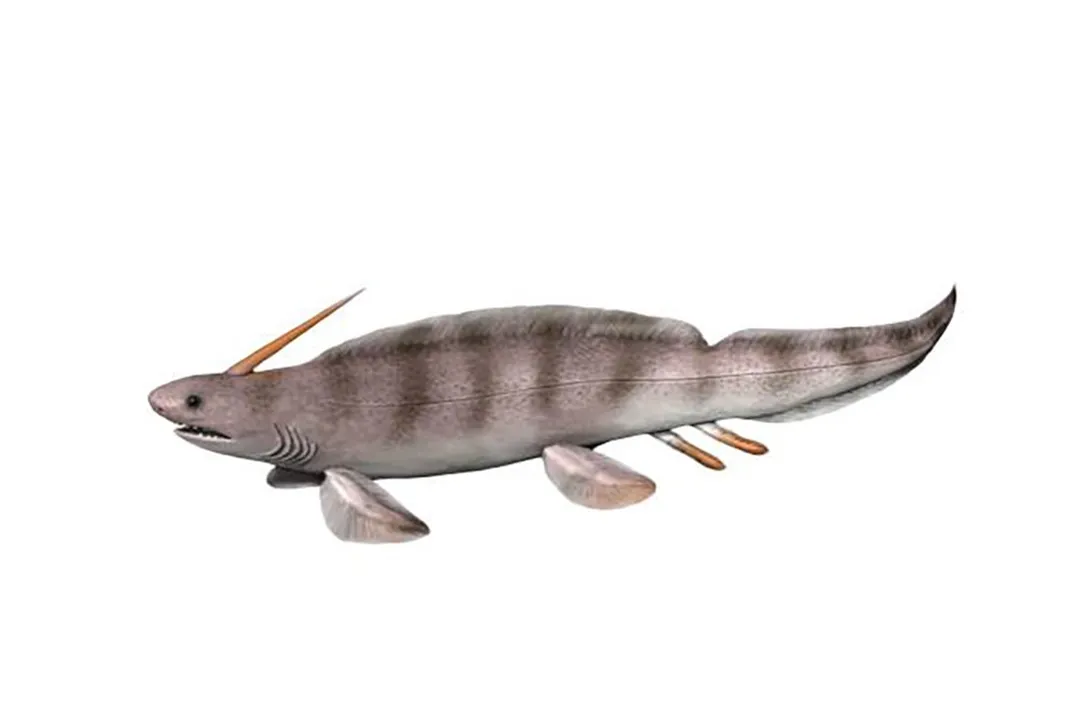
*Xenacanthus* fossils are strongly linked to the late Paleozoic Era, specifically spanning two major geological periods: the Carboniferous and the Permian. This longevity, covering tens of millions of years, allowed this genus to persist through significant environmental transitions leading up to the massive extinction event at the end of the Permian. This specific chronological placement is crucial for paleontologists attempting to map the evolutionary timeline of early chondrichthyans, distinguishing them from fish fauna associated with later eras.
Related Questions
What does the Greek name Xenacanthus translate to?During which geological periods did Xenacanthus primarily exist?What critical habitat preference distinguishes Xenacanthus from most early sharks?What specialized arrangement characterized the dentition of Xenacanthus?Where does the prominent, long spine that secured the name Xenacanthus project backward from?How is the overall body configuration of Xenacanthus described in anatomical terms?To which extinct branch of elasmobranchs does the genus Xenacanthus belong?Which specific North American location is mentioned for yielding important Xenacanthus specimens during the Permian period?Which combination of features is specifically noted as highly diagnostic for identifying Xenacanthus fossils?What appears to have been the basis of Xenacanthus's early evolutionary success versus modern sharks?