What resilience did high-suitability region larvae show when reared under high-density conditions?
They maintained their growth rates and body weight much better under competitive stress
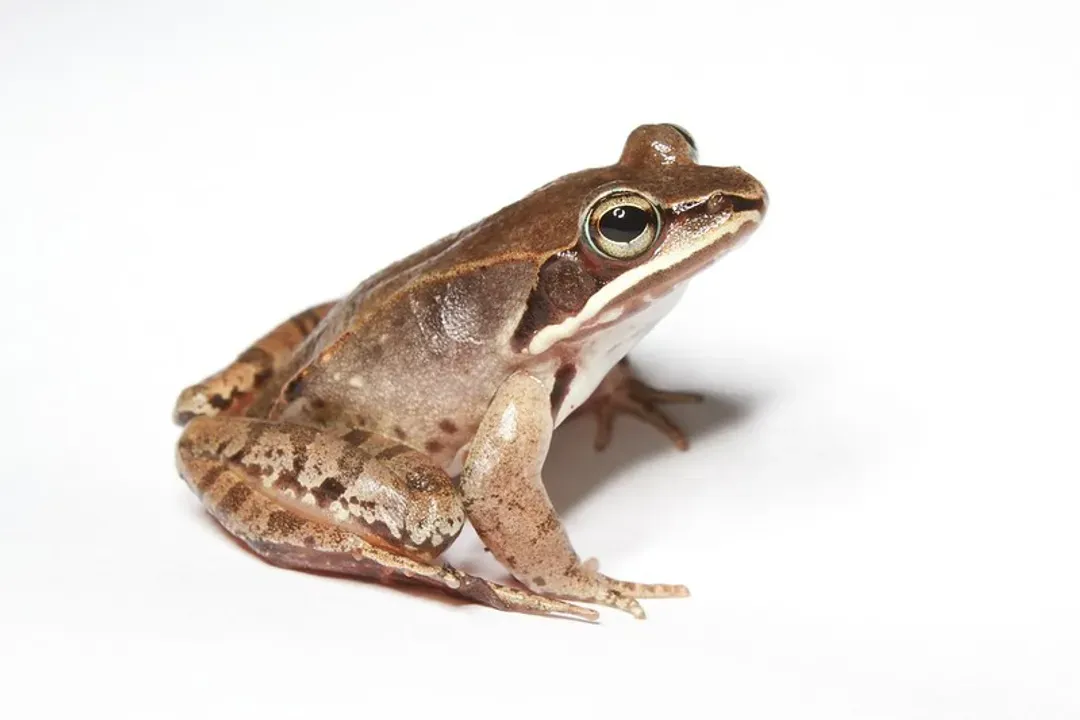
When the common garden experiment introduced high-density, high-competition rearing conditions, the inherent life history strategies of the different wood frog populations became distinctly visible. Larvae originating from populations historically living in high-suitability regions—which often implies frequent high-density conditions—demonstrated a superior ability to cope with competitive stress. Specifically, these frogs maintained their growth rates and achieved significantly better body weight maintenance compared to larvae sourced from low-suitability sites when both groups faced crowding. This finding suggests that populations from stable, high-density core regions have evolved reduced sensitivity to density-dependent development, exhibiting physiological mechanisms that buffer the negative impacts of crowding over generations.