Wood Frog Physical Characteristics
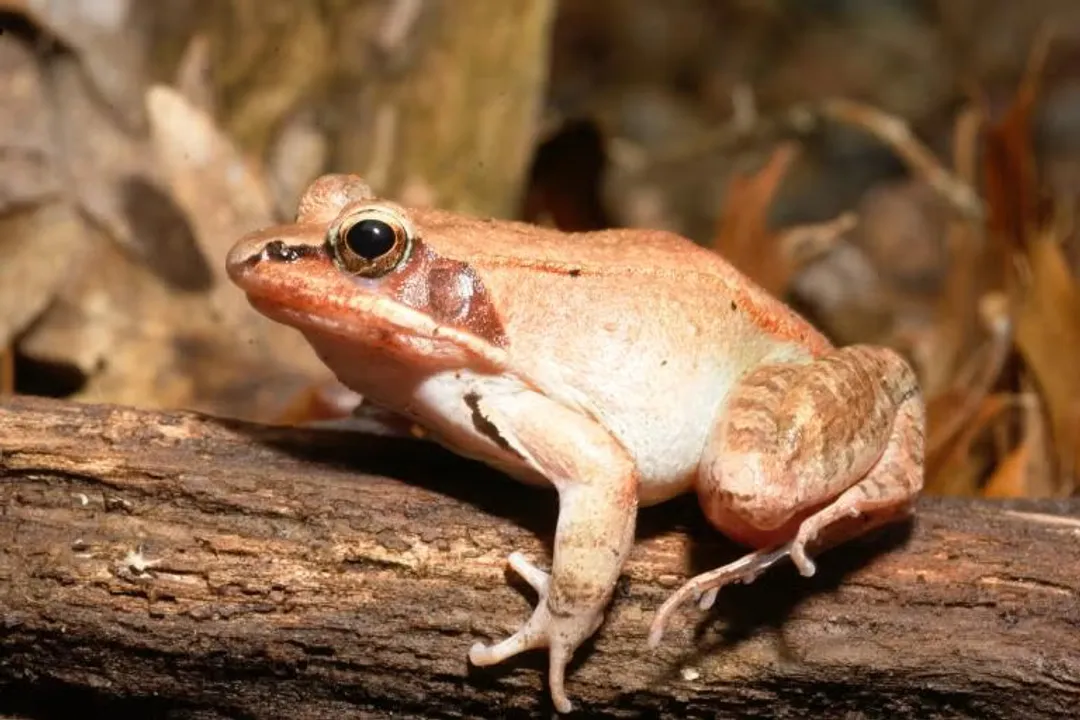
The Wood Frog (Lithobates sylvaticus or Rana sylvatica depending on classification systems in use) possesses a set of physical traits that make it relatively distinct from many other North American anurans, though its coloration can sometimes lead to initial confusion in the field. Understanding these key characteristics is essential for positive identification, especially given its wide range across the continent. A common adult measures between about $1.25$ to $2.75$ inches, or roughly $3.2$ to $7$ centimeters, in snout-vent length (SVL). While this size places it firmly in the small to medium category for frogs, individual variation certainly exists depending on locale and gender.
# Body Color
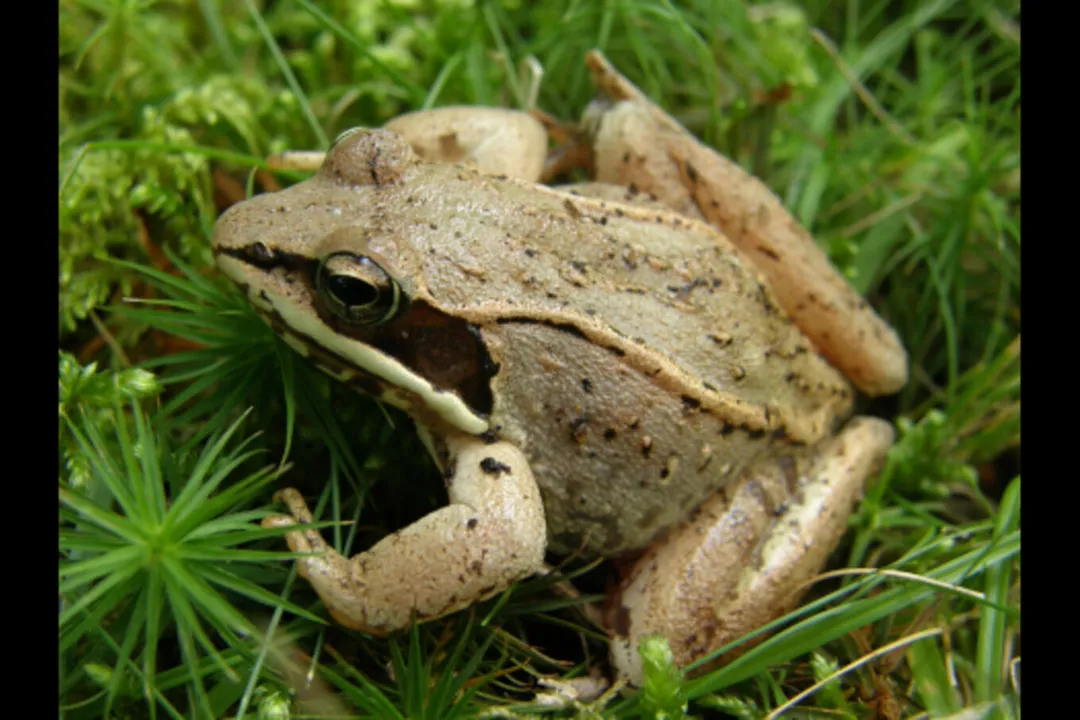
The base coloration of the Wood Frog is incredibly adaptable, which is both a blessing for camouflage and a slight challenge for initial identification. Typically, the dorsal surface—the back and upper sides—displays shades of brown, tan, or sometimes a distinct reddish-brown hue. However, this is not a hard and fast rule; some individuals lean toward darker, near-black tones, while others are quite pale. This variation is often tied to local environmental factors and substrate color, suggesting a degree of phenotypic plasticity designed for crypsis within leaf litter or damp soil.
In stark contrast to the often mottled or variable dorsal surface, the ventral side—the belly and throat—tends to be much lighter. The underside is generally whitish or pale gray. This lighter coloration on the underside is a common feature among many terrestrial frog species, providing countershading when viewed from below against a bright sky.
# Mask Stripe
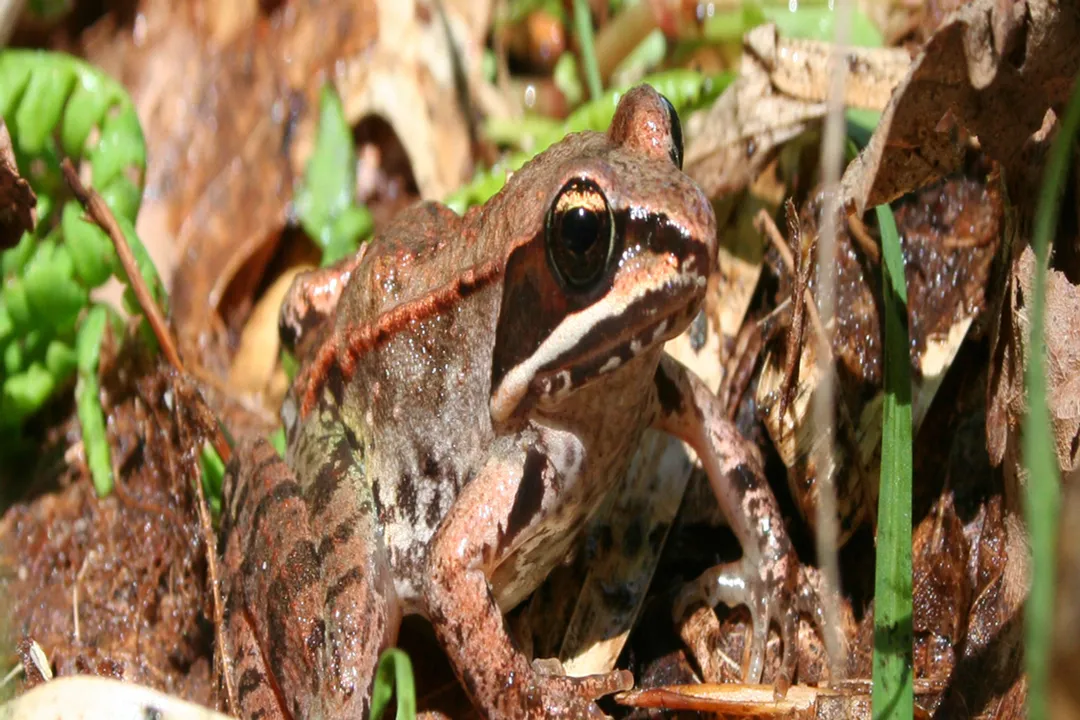
Perhaps the single most reliable field mark for the Wood Frog is the conspicuous dark marking that encircles its eye. This feature is commonly described as a black mask or stripe that originates near the snout, passes through the eye, and extends backward across the tympanum (eardrum) toward the shoulder area. This distinct pattern often stands out sharply against the lighter coloration of the rest of the head. For those new to amphibian identification, focusing on this facial marking first, before getting distracted by overall body color fluctuations, is the quickest way to a preliminary ID. The area immediately above this dark mask, often along the upper lip line, frequently features a lighter, sometimes yellowish or white stripe.

# Dorsal Ridges
Another structural feature helpful for identification involves the raised skin folds running down the back. Wood Frogs possess two prominent, raised ridges, known technically as dorsolateral folds, which extend from just behind the eyes down the length of the trunk. These folds are more pronounced than in some closely related species. Observing these paired ridges helps distinguish them from frogs that have smoother backs or different fold configurations. If you are handling a small, brown frog and note these two distinct lines running lengthwise down its back, you are likely dealing with a Wood Frog or a close relative, prompting a closer look at the mask and hind legs.
# Skin Texture
In terms of surface quality, the skin of the Wood Frog is generally described as smooth. While some other terrestrial frogs might have warty or heavily textured skin, the Wood Frog typically presents a sleek, relatively uniform surface. This smoothness aids in reducing drag if it needs to move quickly through leaf litter or shallow water, though it is not as streamlined as fully aquatic species.
# Legs and Feet
While the primary descriptive focus often lands on color and the mask, the legs carry specific markings. The hind legs often display faint barring or darker mottling against the base color. Furthermore, the hind feet are only partially webbed. This configuration is indicative of a frog that spends significant time on land but still requires some aquatic capability for breeding, as opposed to fully aquatic frogs that possess extensive webbing.
# Freezing Resilience
While not strictly a visual characteristic visible on a warm day, one of the most astonishing physical attributes of the Wood Frog is its physiological adaptation to cold, which dictates how and when its body is observed. Wood Frogs possess specialized cryoprotectants, essentially natural antifreeze, in their bodies that allows them to tolerate freezing solid during the harsh winter months. Their hearts can stop beating, and up to $65%$ of their body water can turn to ice. When spring arrives, thawing allows them to resume normal life functions, often being the first woodland frog species to become vocalized and active after the thaw. This remarkable ability to survive as a frozen statue until temperatures rise is a key differentiator from frogs that must burrow deeply to avoid freezing.
# Field Observation Insight
When assessing a potential Wood Frog identification in the field, especially during the breeding season when activity is high, remember that juvenile frogs may not have the fully developed, jet-black intensity of the mask seen in mature adults. A faint smudge where the dark stripe should be, combined with the presence of the clear dorsolateral folds and a general brown-tan hue, should be enough to warrant a closer inspection of the hind legs for barring, rather than immediately dismissing the specimen because the mask isn't perfectly dark. If you find one active in a northern habitat when snow is still on the ground, its ability to survive freezing is almost a confirmation in itself.
# Size Comparison Analysis
Considering the adult size range of up to $2.75$ inches, the Wood Frog remains considerably smaller than many common pond frogs, such as the Bullfrog or Green Frog. This smaller stature, combined with its preference for moist woodland habitats rather than open, permanent water bodies for much of the year, means that searching for them requires a different approach than looking for larger, more vocal, and distinctly aquatic species. If you are slogging through dense, damp forest leaf litter in early spring, the chances of encountering this terrestrial frog are significantly higher than finding a large, fully aquatic species in that same microhabitat.
# Summary of Key Traits
To summarize the essential identification points for the Wood Frog:
- Size: Small to medium, up to about SVL.
- Color: Highly variable brown, tan, or reddish-brown dorsally.
- Mask: A prominent, dark band running from the eye toward the shoulder.
- Ridges: Two distinct dorsolateral folds running down the back.
- Skin: Generally smooth.
- Webbing: Partial webbing on hind feet.
These combined physical characteristics provide a reliable means for field identification, separating the Wood Frog from other members of the Lithobates genus found across its range.
Related Questions
#Citations
Wood Frog | National Wildlife Federation
Wood Frog- Lithobates sylvatica - New Hampshire PBS
Wood frog - Wikipedia
Wood Frog - Colorado Parks and Wildlife
Wood Frog - Virginia Herpetological Society
Wood Frog - Missouri Department of Conservation
Lithobates sylvaticus (Wood Frog) - Animal Diversity Web
Kids' Inquiry of Diverse Species, Lithobates sylvaticus, Wood Frog
Wood Frog | Reptiles & Amphibians in Ontario
Wood Frog Lithobates sylvaticus - Chesapeake Bay Program