Why is it called a scrotum frog?
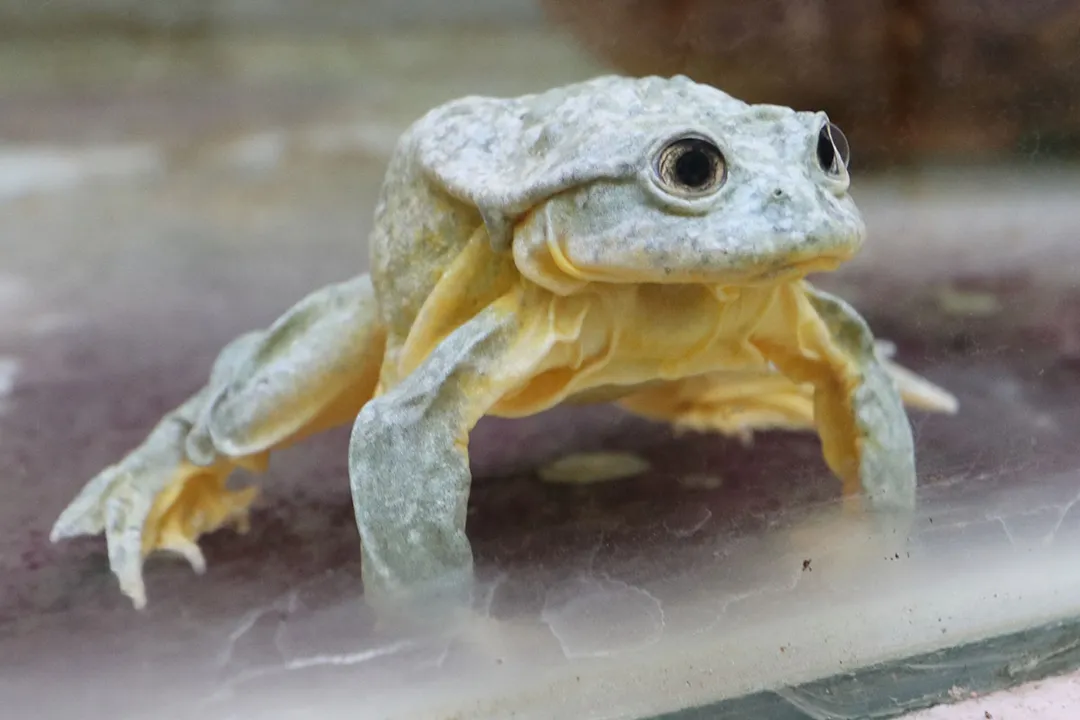
The animal known informally as the scrotum frog is a fascinating, yet deeply troubled, resident of the high Andes. [2][3] Its common name, while perhaps startling or slightly crude, is derived directly from its most striking physical attribute: an abundance of loose, floppy, and incredibly wrinkled skin that hangs in folds from its body. [1][5] This amphibian, scientifically classified as Telmatobius culeus, makes its home in the oxygen-poor depths of Lake Titicaca, the vast, high-altitude lake shared by Peru and Bolivia. [2][6][9] This unique combination of a bizarre appearance and a precarious existence in one of the world's highest navigable lakes makes its story compelling. [6]
# The Nickname
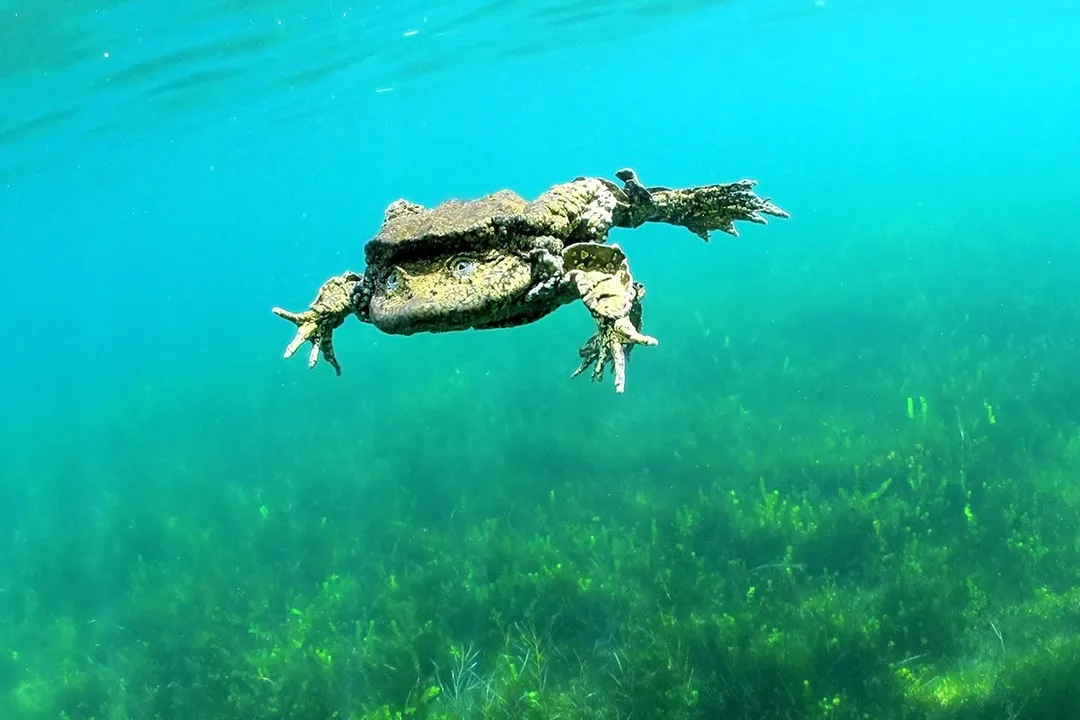
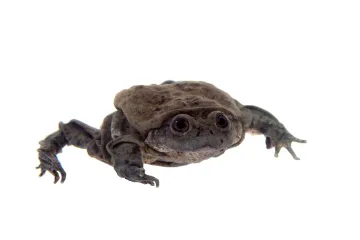
The primary reason for this frog’s memorable—and perhaps unfortunate—moniker is purely visual. The Telmatobius culeus possesses an extensive surface area of skin relative to its body size, which often appears baggy and pendant-like, particularly when the frog is out of the water or observed closely. [1][5] This excess integument is not merely cosmetic; it is a critical adaptation for survival in its challenging environment. [6] However, to the casual observer, the visual similarity to the male anatomical feature is striking enough to cement the common name, "scrotum frog". [1][5] This moniker is used widely in popular discourse, sometimes overshadowing its formal binomial nomenclature, Telmatobius culeus. [9] It is important to recognize that this descriptive name points directly toward the evolutionary specialization that allows this species to thrive where other amphibians cannot. [6]
# Titicaca Life
To fully appreciate why this frog looks the way it does, one must understand its extreme habitat. Lake Titicaca sits at an elevation of approximately 3,812 meters (around 12,507 feet) above sea level. [6] At such altitudes, the air, and consequently the water, contains significantly less dissolved oxygen compared to sea-level environments. [6] Most frogs would struggle severely or perish in water with such low oxygen saturation, but the scrotum frog is specifically adapted to these conditions. [6]
Its entire life cycle, from tadpole to adult, is aquatic. [1] The low oxygen levels necessitate extreme physiological adaptations, which is where the loose skin comes into play. [6] This adaptation is so pronounced that it sets the species apart even from other frogs within the same genus, Telmatobius, which often inhabit cooler, but generally better-oxygenated, mountain streams. [9]
To illustrate the drastic environmental difference this species manages:
| Environmental Factor | Sea Level Amphibian Habitat | Lake Titicaca (T. culeus) Habitat |
|---|---|---|
| Altitude | Near 0 meters | ~3,812 meters |
| Oxygen Availability | High (Normal saturation) | Low (Significantly reduced saturation) |
| Temperature | Varies widely, often warmer | Consistently cold |
| Life Cycle | Often semi-terrestrial | Strictly aquatic |
This comparison highlights that the scrotum frog is not merely living at high altitude; it is surviving in an environment that poses a chronic, low-grade hypoxic stressor to most life forms. [6]
# Wrinkled Skin
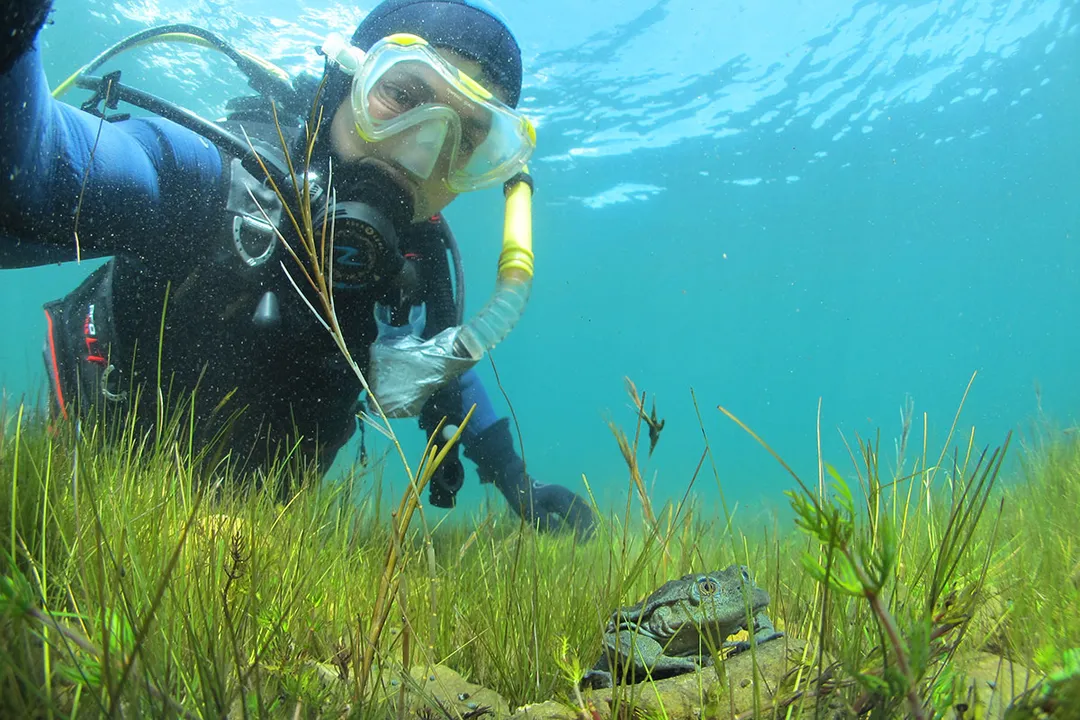
The extensive, wrinkly skin serves a direct biological purpose: maximizing respiratory surface area. [6] Since the water in Lake Titicaca is low in dissolved oxygen, the frog must extract as much of that scarce resource as possible directly through its skin—a process known as cutaneous respiration. [6] The thousands of folds and wrinkles dramatically increase the surface area available for gas exchange without requiring the frog to move constantly to the surface for air, which would waste precious energy. [6]
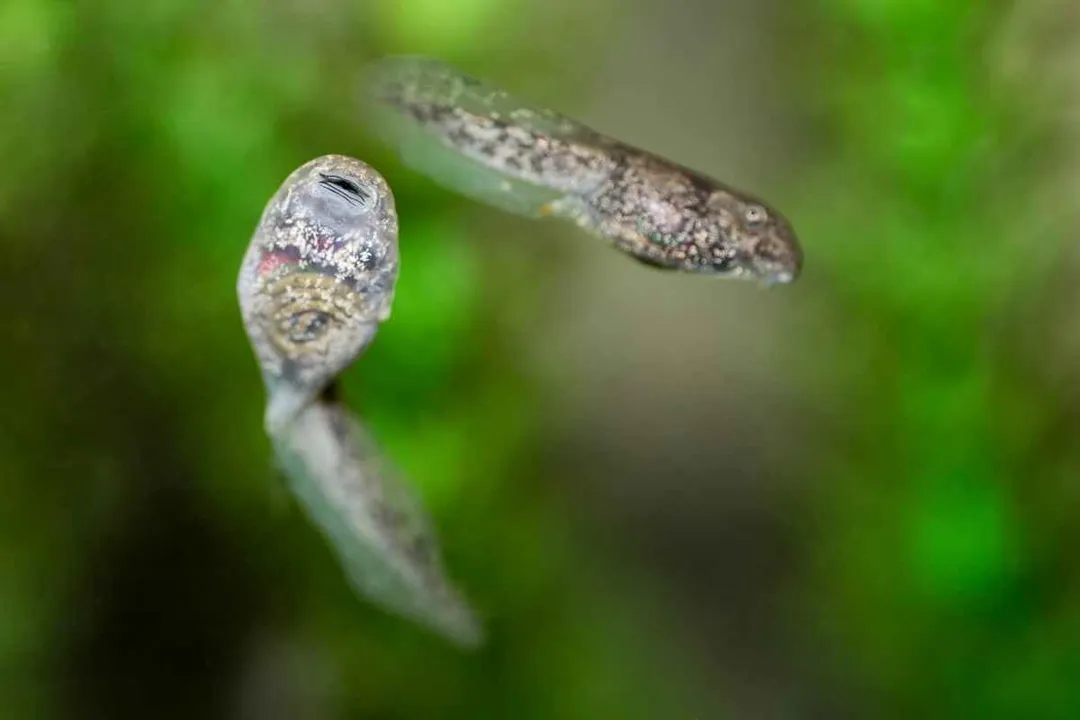
This adaptation provides an incredible advantage in its native deep-water environment. [6] The skin acts almost like a complex biological filter, constantly absorbing the limited oxygen available in the cold, high-altitude water. Furthermore, the skin is highly vascularized, meaning it is rich in blood vessels, allowing oxygen absorbed by the skin to quickly enter the bloodstream. [9] This specialization is so extreme that the frog appears almost entirely covered in loose folds, a feature that happens to look remarkably like the anatomical structure that gave it its famous common name. [1] The tadpoles, too, are fully aquatic, though they do not exhibit the same pronounced adult skin features until metamorphosis. [8]
# Survival Fight
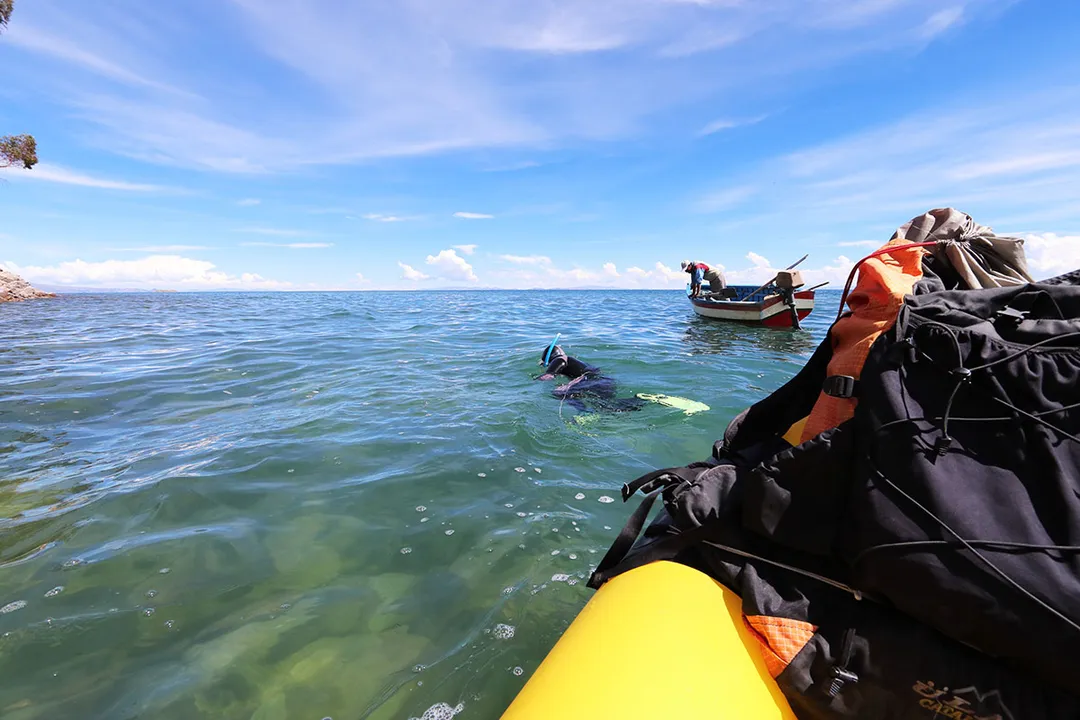
Despite its unique adaptations, the Telmatobius culeus is critically endangered, facing a serious threat of extinction in the wild. [2][3] Several compounding factors have driven its population down drastically in recent decades. [3] The primary threats are habitat degradation, particularly pollution of Lake Titicaca, and unsustainable harvesting driven by local demand. [2][3]
Historically, and perhaps still to some extent, the frogs were poached for their meat, often for traditional medicine or local consumption, sometimes marketed as an aphrodisiac or for its perceived health benefits. [3][4] Furthermore, agricultural runoff, sewage, and mining waste entering the lake have severely reduced water quality, making the already low oxygen levels even more challenging for the highly specialized respiratory system of the frog. [2][3] When environmental conditions worsen, the frog’s dependency on its skin for respiration becomes an Achilles' heel, as polluted or turbid water inhibits this vital gas exchange. [2] Reports indicated that the population decline was severe, with some estimates suggesting a massive drop over the last few decades. [2][3]
# Protection Efforts
Recognizing the imminent threat, various organizations and local communities have stepped in to aid the survival of the species. [3][4] Conservation has seen the involvement of unexpected partners, including former poachers who are now dedicating their efforts to protecting the frog and its habitat. [3] This transition from harvesters to protectors demonstrates a localized shift in understanding the intrinsic and ecological value of the species. [3]
Zoos around the world have also taken on the responsibility of safeguarding the species through captive breeding programs. [4] Displaying these unique amphibians in zoological settings serves a dual purpose: educating the public about the plight of specialized species and establishing an ex-situ (off-site) population safeguard against total extinction in the wild. [4] A significant milestone in these efforts was the successful hatching of tadpoles in captivity, offering a glimmer of hope for the species’ future. [8] Maintaining these captive populations is scientifically complex, though, because replicating the exact low-oxygen, high-altitude conditions of Lake Titicaca requires specialized, energy-intensive life support systems and precise water chemistry control, far exceeding the needs of a typical terrestrial frog facility. [6] A major focus of ongoing work involves cleaning up Lake Titicaca itself, as the long-term survival of the T. culeus ultimately depends on the restoration of its only natural home. [3] Local conservation groups are working on monitoring efforts and habitat restoration projects along the shoreline. [3]
Related Questions
#Citations
Scrotum Frog - Telmatobius culeus - A-Z Animals
Saving the Scrotum Frog - Earth Island Institute
How poachers of this rare frog became its protectors
'Scrotum frogs' go on display at British zoo as part of efforts to save ...
Lake Titicaca giant frog: Scientists join forces to save species - BBC
Cabinet of Freshwater Curiosities: Lake Titicaca 'scrotum' frog ...
As if its nickname, “scrotum frog,” isn't bad enough, the beleaguered ...
'Scrotum Frog' Tadpoles Hatch For 1st Time in North America
Telmatobius culeus - Wikipedia