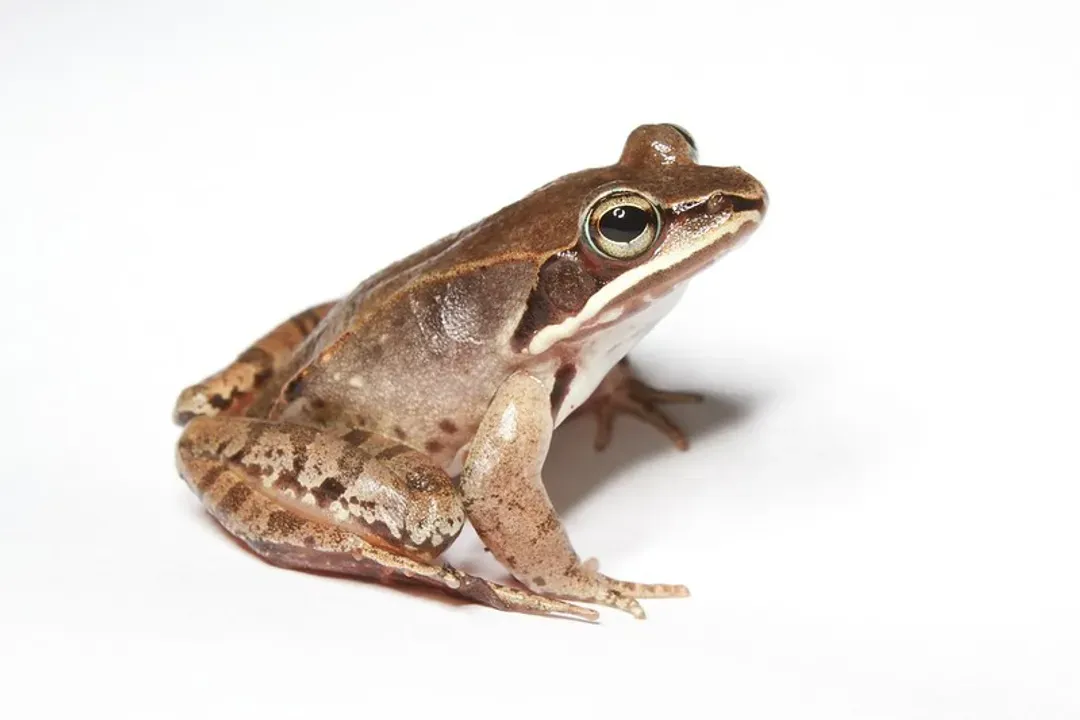
What did the Skelly Lab research reveal about wood frog embryos from 2018 versus 2001?
Embryos developed, on average, fourteen to nineteen percent faster
Groundbreaking longitudinal research conducted by the Skelly Lab at Yale re-examining wood frog populations initially studied in 2001 provided striking evidence of rapid evolutionary adaptation in response to climate change. When modern analytical techniques were applied to embryos sampled 18 years later in 2018, the results showed a significant acceleration in development. Specifically, the embryos from the later period developed, on average, fourteen to nineteen percent faster than their counterparts from the earlier period. This acceleration was not uniform across all populations but varied based on local factors, demonstrating that rapid evolutionary change in developmental timing was actively occurring in response to changing climatic conditions over just two decades.