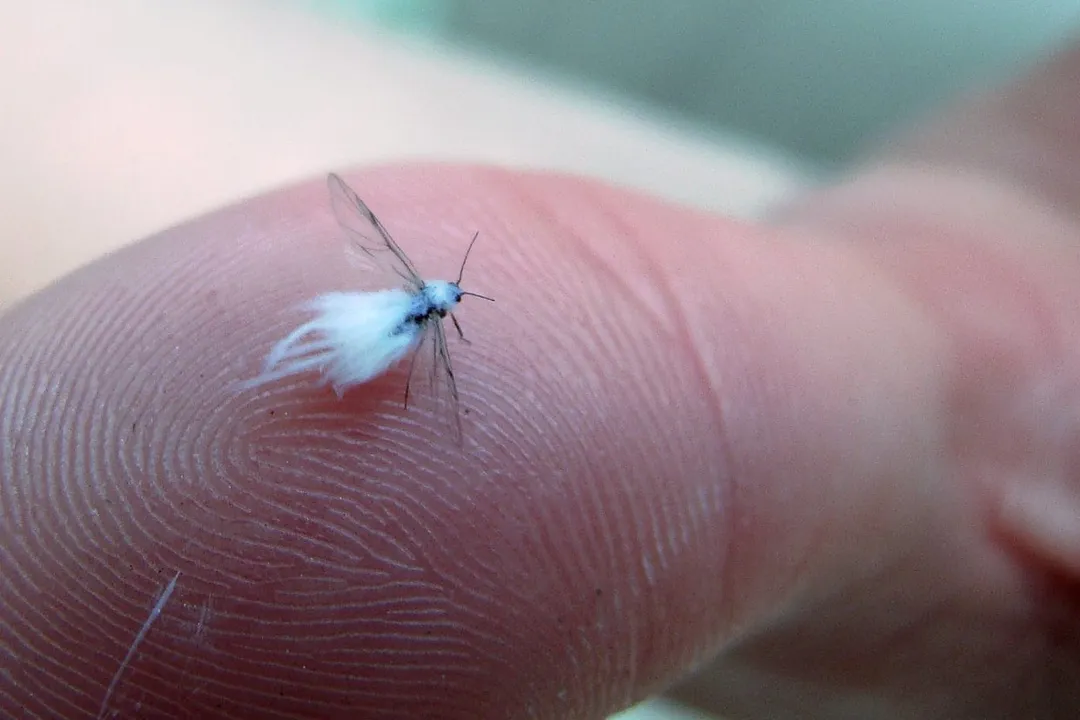
How might the filamentous wax coating prevent physical issues for sessile woolly aphids feeding on plants?
Physically preventing sticky honeydew from adhering to its own body surface
One crucial, though often overlooked, function of the dense, white, filamentous wax coating relates directly to the aphid's excretory product: honeydew, which is sticky. Because woolly aphids are sessile feeders—meaning they remain fixed in one spot while feeding—they constantly risk having this sugary excretion adhere to their own bodies or trap them against the substrate of the leaf or bark. The waxy covering acts as a physical, non-stick layer, preventing the honeydew from gluing the insect down or impeding its movement or respiration. This protective physical engineering ensures that the benefits of producing the coating, which also include water management and potential deterrence, significantly outweigh the energy expenditure required for its continuous maintenance.