How many separate hosts are required for the *Dermacentor variabilis* three-stage life cycle to complete development?
Answer
Three hosts, one for each stage (larva, nymph, adult)
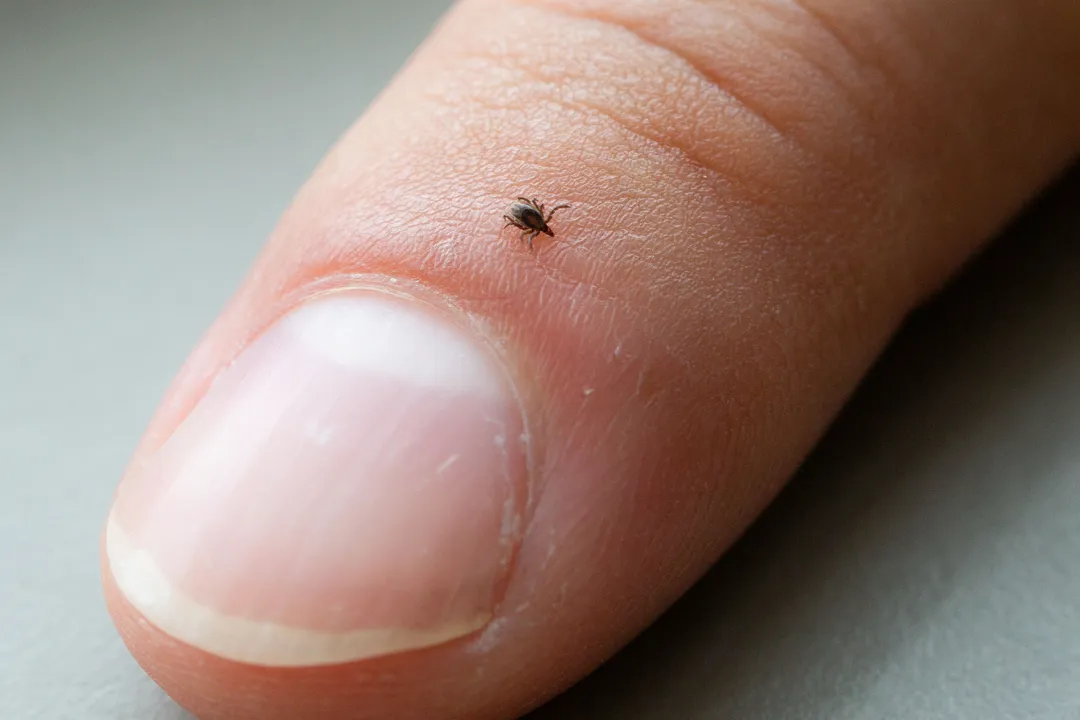
The life cycle of the *Dermacentor variabilis* is characterized as a three-host cycle. This designation means that each of the three developmental stages—larva, nymph, and adult—must obtain a separate blood meal from a distinct host organism before it can successfully molt and advance to the next phase. This multi-host requirement contributes significantly to the species' environmental longevity, as the entire process from egg to reproducing adult can extend over a period of up to two years, allowing opportunities for encounters with various animals along the way.
Related Questions
What scientific name refers to the Wood Tick, also known as the Plains Tick?What is a defining physical feature of an unfed adult female American Dog Tick?To approximately what length does an unfed female Wood Tick swell after successfully taking a blood meal?How many separate hosts are required for the *Dermacentor variabilis* three-stage life cycle to complete development?Which serious systemic illness is the American Dog Tick most widely cited for transmitting to its host?What approximate height limits where actively questing Wood Ticks are rarely found off the ground?Why must individuals avoid using older, unverified methods like burning an attached Wood Tick with a match?What type of creature typically serves as the first host sought by newly hatched *Dermacentor variabilis* larvae?What specific preventative step involving clothing, performed immediately upon entering a structure, can kill hitchhiking Wood Ticks?Beyond Rocky Mountain Spotted Fever (RMSF), what other named disease is the American Dog Tick capable of transmitting?