What physiological adaptation allows wood bison to survive severe seasonal food scarcity?
Answer
They possess a remarkable ability to reduce its metabolic rate.
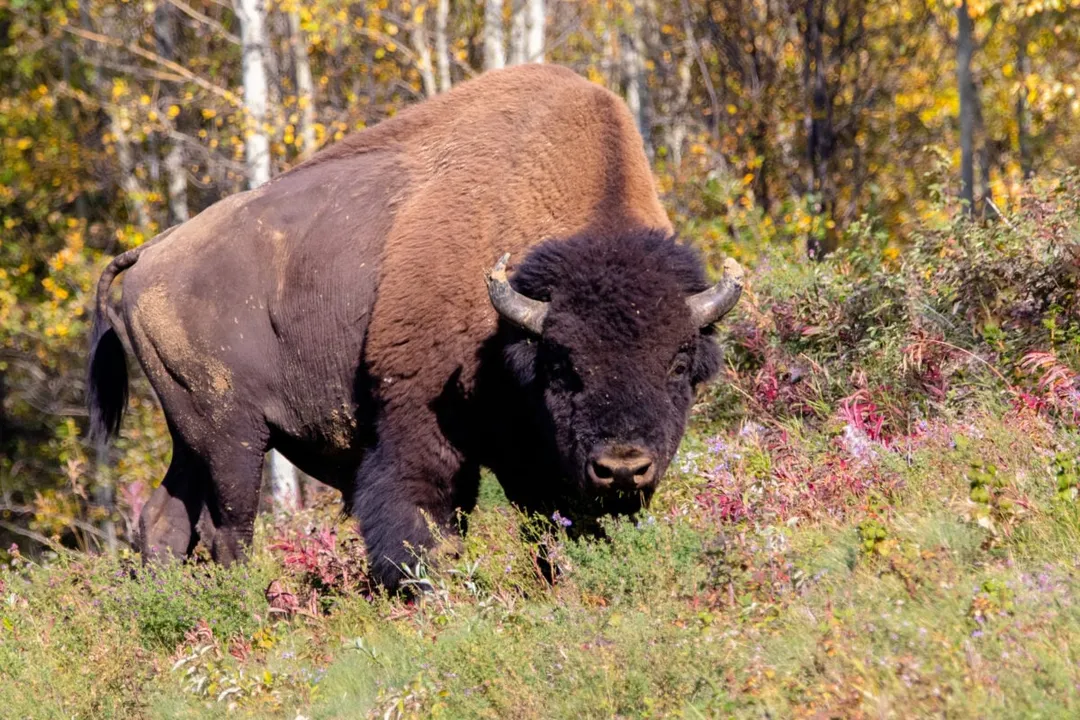
Survival in their harsh northern environment necessitates specialized internal accommodations for periods of scarcity when ground access to food is limited by deep snow or freezing temperatures. The wood bison possesses a key survival mechanism involving physiological adjustment: the ability to significantly slow down its digestive process and consequently reduce its overall metabolic rate. This slowing allows the animal to stretch the available energy extracted from every consumed meal, critically lowering the total energy demand required to sustain life while waiting for more favorable foraging conditions to return, differentiating them from less adapted herbivores.
Related Questions
What metric generally distinguishes wood bison from plains bison (Bison bison bison)?Where is the peak of the shoulder hump located in the wood bison relative to the front legs?What physiological adaptation allows wood bison to survive severe seasonal food scarcity?What critical environmental challenge did the Alaskan reintroduction of wood bison face due to unique winter conditions?Which specific diseases carried by introduced plains bison spread to wood bison herds in WBNP?By what approximate percentage are wood bison typically heavier than plains bison?What is the approximate gestation period for female wood bison following breeding during the rut?When did the Canadian government relocate surplus plains bison into Wood Buffalo National Park (WBNP)?Which Canadian park became the base for establishing disease-free conservation herds after the 1957 rediscovery?What is the sense in which wood bison are considered the closest living relatives to the extinct steppe bison (*Bison priscus*)?What specific feeding advantage does the wood bison’s massive head provide when reaching forage in winter?