What metric generally distinguishes wood bison from plains bison (Bison bison bison)?
Answer
Wood bison average about 15% heavier.
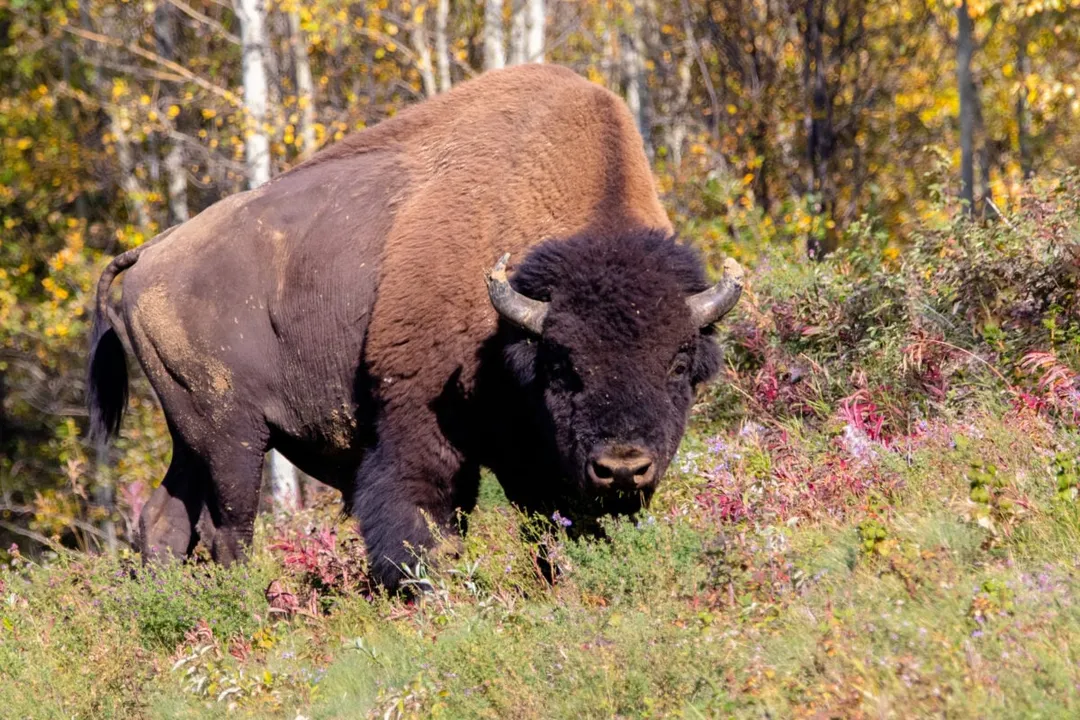
The size differential between the two North American subspecies is a key distinction. Wood bison are generally recognized as being larger and heavier than the plains bison. Specifically, the text indicates that wood bison average approximately 15% greater mass compared to their southern counterparts. This increased bulk is often theorized to be an adaptation related to Bergmann’s rule, suggesting that larger body size in colder climates aids in the generation and retention of essential body heat necessary for survival in harsh northern conditions.
Related Questions
What metric generally distinguishes wood bison from plains bison (Bison bison bison)?Where is the peak of the shoulder hump located in the wood bison relative to the front legs?What physiological adaptation allows wood bison to survive severe seasonal food scarcity?What critical environmental challenge did the Alaskan reintroduction of wood bison face due to unique winter conditions?Which specific diseases carried by introduced plains bison spread to wood bison herds in WBNP?By what approximate percentage are wood bison typically heavier than plains bison?What is the approximate gestation period for female wood bison following breeding during the rut?When did the Canadian government relocate surplus plains bison into Wood Buffalo National Park (WBNP)?Which Canadian park became the base for establishing disease-free conservation herds after the 1957 rediscovery?What is the sense in which wood bison are considered the closest living relatives to the extinct steppe bison (*Bison priscus*)?What specific feeding advantage does the wood bison’s massive head provide when reaching forage in winter?