Why is the Bombus vestalis often found in suburban gardens and urban areas?
Answer
These environments are preferred by its host, Bombus terrestris
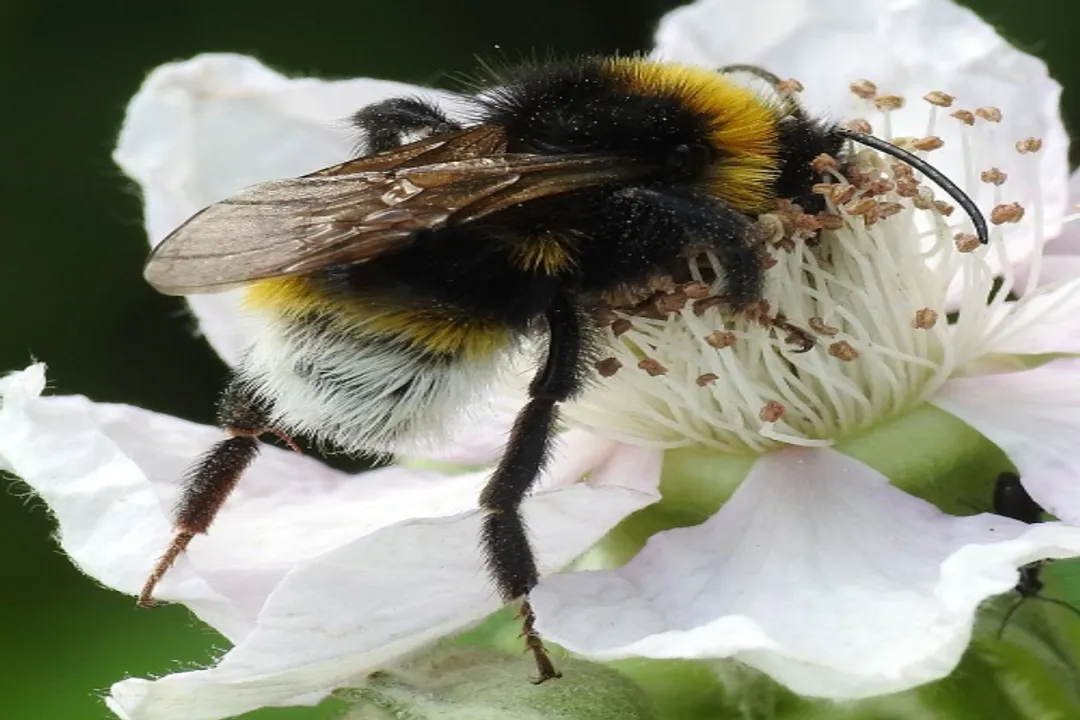
The habitat preference of the Bombus vestalis is entirely dictated by the habitat needs of its host, the Bombus terrestris. The host bee is known to be highly adaptable and frequently establishes nests in urban and suburban settings, such as gardens where the ground is undisturbed and floral resources are plentiful. Because the host is common in these developed zones, the parasite is also found in the same proximity. Observers looking for the Bombus vestalis should focus on areas rich in spring forage and undisturbed cavities, as these are the exact locations that favor the host population and, by extension, allow the parasite to survive.
Related Questions
What distinctive physical feature is conspicuously absent on the legs of the female Bombus vestalis?Which region of the United Kingdom serves as the primary stronghold for the Bombus vestalis population?Which bumblebee species acts as the exclusive host for the reproductive cycle of the Bombus vestalis?Which other species is known as the Southern Cuckoo Bumblebee and is often confused with the Bombus vestalis?During which time frame is the parasitic female Bombus vestalis most frequently observed while scouting for a nest?In the Vice County 55 (VC55) area of Leicestershire and Rutland, what is the reported status of the Bombus vestalis?What specific action does the invading Bombus vestalis queen take upon successfully entering the nest of a Bombus terrestris?Why is the Bombus vestalis often found in suburban gardens and urban areas?What primarily restricts the distribution of the Bombus vestalis in Scotland and northern regions?Which nature reserve is explicitly noted as a location where the Bombus vestalis is commonly found?