Yellowish Cuckoo Bumblebee (formerly Fernald’s Cuckoo Bumblebee) Locations
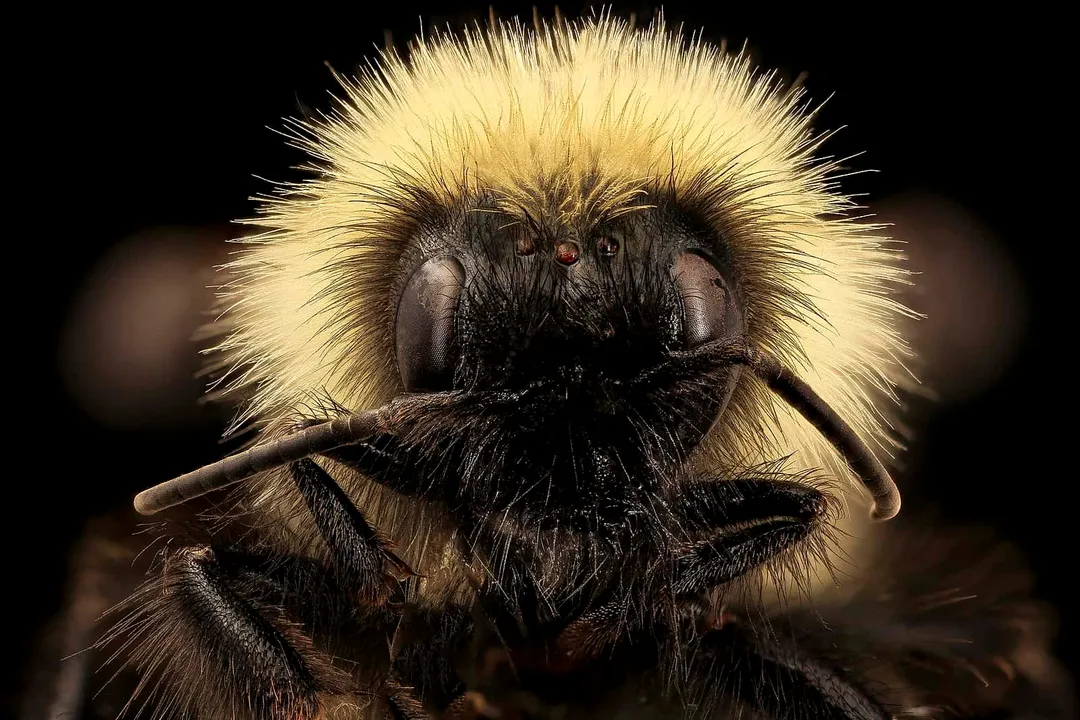
The Yellowish Cuckoo Bumblebee, a fascinating subject for entomologists and conservationists alike, has a distribution across North America that is somewhat scattered, making pinpointing specific locations an exercise in piecing together regional data. This species, scientifically known as Bombus fervidus, was formerly referred to as Fernald’s Cuckoo Bumblebee, a name still frequently encountered in older literature or in common discussion. The shift in nomenclature reflects ongoing taxonomic study, but the fundamental challenge for observers remains the same: understanding where this specialist bee makes its home.
# Name Change
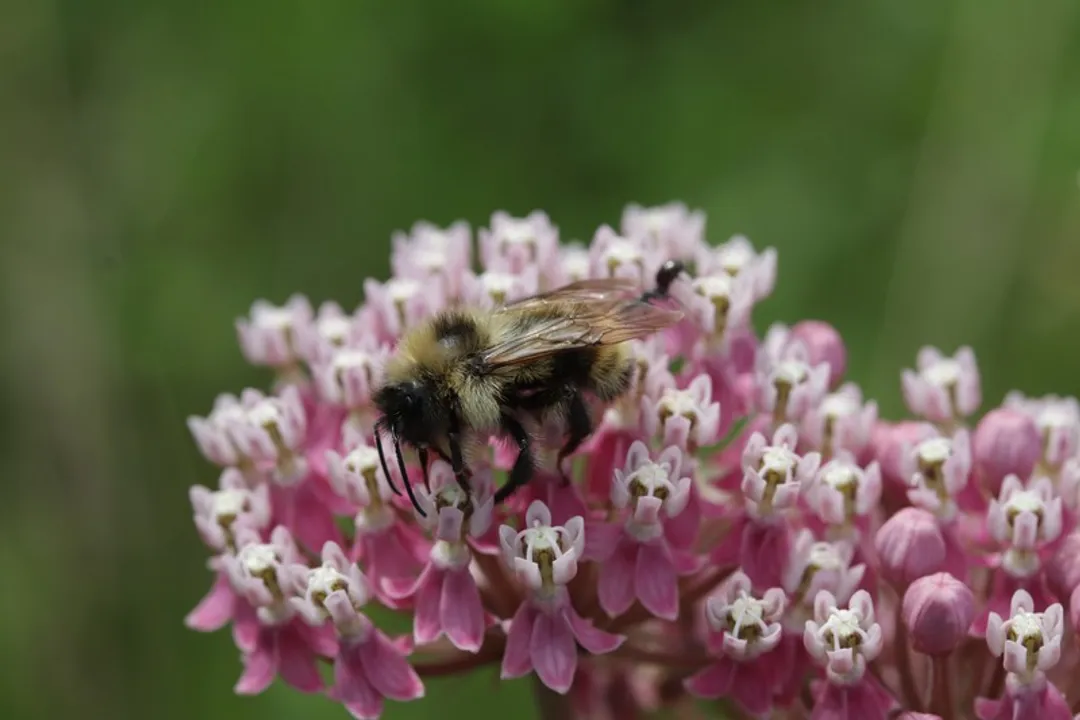
The recent reclassification of this bumblebee from Bombus fernaldae to Bombus fervidus reflects a broader scientific understanding of the species complex within the Bombus genus. While the scientific name is now Bombus fervidus, many state agencies and field guides still reference the older name, Bombus fernaldae. For anyone tracking sightings, recognizing both names is key to accessing the most relevant, up-to-date, or historical location data.
# Distribution Overview

Broadly speaking, the Yellowish Cuckoo Bumblebee maintains a presence across a significant portion of North America, stretching from the eastern seaboard westward. Its range encompasses states and provinces spanning the northern United States and extending into Canada. Federal documentation illustrates its presence extending from the Northeast, across the upper Midwest, and into certain areas of the Mountain West. However, these records often show patchy distribution, suggesting that its presence is dictated more by the availability of specific ecological requirements than by broad climatic zones alone.
# Northeastern Hotspots
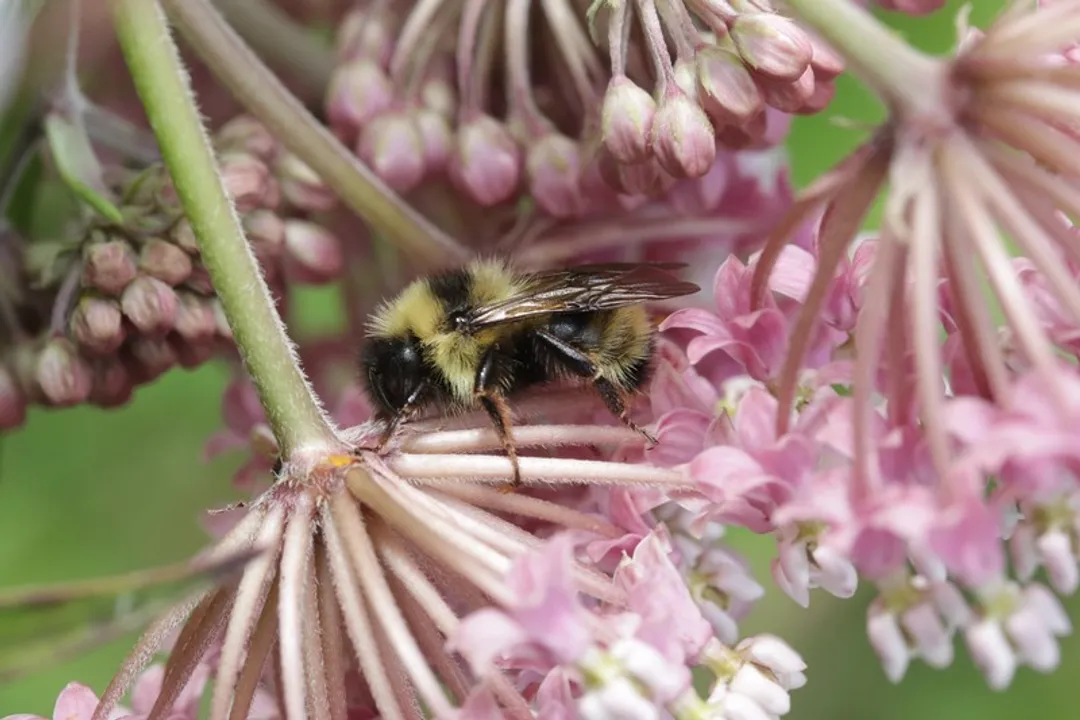
The Northeastern United States provides established locations for observing this cuckoo bee. In New York State, for instance, records indicate the presence of B. fernaldae across various counties, suggesting a wider occurrence than perhaps previously documented. Here, the bee is often associated with open, shrubby, or transitional habitats rather than deep, undisturbed forests.
Vermont offers another key observation area within the Northeast. Studies focused on Vermont bees confirm the species' presence within the state's boundaries. Like in New York, the required habitat often involves open areas where foraging is easier. When reviewing historical data or contemporary surveys from states like New York and Vermont, a critical detail emerges: the presence of this bee is often intrinsically linked to the presence of its host species, as cuckoo bees do not build their own nests but rather parasitize the nests of other bumblebees. Therefore, a location that supports the required host species—often common, social bumblebees—is a prerequisite for finding the Yellowish Cuckoo Bumblebee.
# Midwestern Presence

Moving westward, the Upper Midwest also features documented locations. Wisconsin, for example, has records of Bombus fernaldae associated with the state’s inventory programs. The type of environment preferred there echoes the patterns seen in the East. Surveys suggest this species can be found in disturbed habitats, forest edges, and agricultural landscapes.
It is helpful to view the presence in states like Wisconsin not as a continuous range, but as distinct pockets where the specific necessary conditions—nectar sources and host availability—converge. An observer looking for this bee in the Midwest should focus efforts on areas that transition between open fields and wooded areas, mirroring the recommendations for the Northeast.
# Mountain West Observations
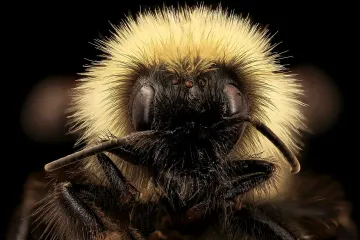
The geographic reach extends into the Mountain West, with Montana providing documented evidence of the Yellowish Cuckoo Bumblebee. In Montana, the bee has been recorded in areas characterized by the state's varied topography. Descriptions from the Montana Field Guide note its appearance, often being predominantly yellow on the thorax, though this is an important feature to cross-reference with other sources as color can vary widely, including the "yellowish" description that gives the bee its current common name.
When cross-referencing location data, especially with sources like iNaturalist, one notices that sightings in the West might be sparser or clustered around specific elevation bands or protected areas where general pollinator surveys are more common. The pattern of use appears similar: open, sunny areas are preferred for foraging.
# Habitat Specificity Analysis
The locations where this bee is found are less about specific geography (e.g., 'The Rocky Mountains') and more about the type of habitat structure present within that geography. The recurring theme across state reports—New York, Vermont, Wisconsin—is the preference for open areas, shrubby borders, and forest edges. This preference makes ecological sense for a species that needs sunlight for thermoregulation and clear access to flowers, which is vital for all bumblebees, but perhaps more so for these solitary-acting cuckoo females during their initial searches for host nests.
Consider the importance of floral resources. While specific flower preferences are not universally detailed across all range maps, the bee must be able to locate the queen of its host species when she is establishing her initial nest, which relies on seasonal blooms. A location that hosts a dense population of preferred host bumblebees (Bombus species that build underground nests) and offers a succession of nectar-rich flowers from early spring through late summer is statistically more likely to host a B. fervidus female. For instance, if we analyze the data from the few states provided, an excellent place to look might be an unmanaged meadow bordering a deciduous woodlot, as this offers both open foraging space and potential nest sites beneath the soil near tree roots. This type of edge habitat provides the structural heterogeneity that many native bees require.
# Tracking and Data Sources
For the modern enthusiast or researcher aiming to find specific, recent locations, utilizing citizen science platforms is invaluable. Data aggregated on platforms like iNaturalist often provides the most granular, contemporary information on where Bombus fernaldae (using the old name for broader data pull) has been observed recently. These platforms compile records submitted by the public, often including photographic evidence that aids in verification.
When reviewing such datasets, it is important to apply a layer of critical thinking, which forms an actionable strategy for locating them: focus on recent observations within the core range mentioned above, as population dynamics can shift rapidly. A cluster of observations from two years ago might indicate a local absence now, or it might simply indicate a single enthusiastic observer in that area. If you notice a cluster of confirmed sightings in a particular county in Vermont or New York, investigate the land use of that immediate area—is it a state park, a large farm, or a nature preserve? That land management practice is likely the reason the bees are there.
# Host Dependency Insight
A crucial piece of knowledge when seeking the Yellowish Cuckoo Bumblebee, one that directly influences where you look, is its reproductive strategy. Unlike the social bumblebees whose colonies survive the winter, the B. fervidus female overwinters alone and emerges in the spring to find a nest belonging to a queen of a social species, such as Bombus impatiens or Bombus affinis (though the latter is rare). The female cuckoo bee then invades this nest, kills or displaces the host queen, and uses the existing workers to raise her own parasitic brood.
This obligate social parasitism means the distribution of the Yellowish Cuckoo Bumblebee is fundamentally tied to the distribution of its hosts. If a specific region has seen a sharp decline in its primary host species—perhaps due to pesticide use or habitat loss—the Yellowish Cuckoo Bumblebee population in that exact micro-location is likely to vanish, even if the general habitat structure remains suitable for foraging. Therefore, a truly informed search strategy must look for two co-occurring species: the host and the parasite. Areas actively managed for host bumblebee conservation are, by extension, the best places to find the cuckoo bee.
# Identifying Local Potential
To synthesize the location data into a practical search, we can outline an area profile. A strong candidate location for finding this species would possess the following attributes, drawn from comparing the various state reports:
| Attribute | Description Supported By Sources | Importance Level |
|---|---|---|
| Habitat Edge | Areas where forest meets open field or shrubland | High |
| Sun Exposure | Areas with ample sunlight for foraging and warming | High |
| Host Presence | Documented or likely presence of social Bombus species' nests | Critical |
| Floral Diversity | Availability of early-season flowers for host queen establishment | Medium/High |
| Disturbance Level | Open or slightly disturbed areas, rather than deep, mature forest | Medium |
If you were to compare a pristine, old-growth forest in the Adirondacks (NY) with a managed hedgerow bordering an alfalfa field in rural Vermont, the latter environment, despite being more "disturbed," statistically offers a higher probability of encountering the Yellowish Cuckoo Bumblebee due to the increased structural heterogeneity and nectar availability.
The challenge in defining precise locations is that the bee is not federally listed across its range, though it is a species of concern in some areas, meaning systematic, broad-scale monitoring required for precise mapping is often lacking outside of specific state-level surveys. This reliance on localized studies in NY, VT, WI, and MT confirms that the overall picture is one of persistence in suitable niches rather than uniform abundance across its theoretical range boundaries. Understanding why it is found in Montana but perhaps not in southern states with similar climates comes down to the specific suite of host species present in those northern latitudes. The absence of data does not always mean absence of the species, but rather an absence of searching effort in that specific locale.
# Foraging Behavior Notes
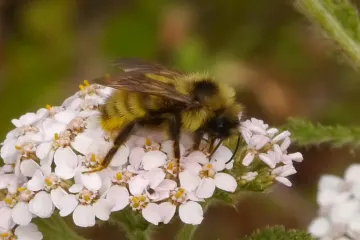
The female cuckoo bee is an active forager when not engaged in nest usurpation. She often exhibits quick, direct flight patterns. Observations suggest she is attracted to flowers that offer substantial pollen or nectar rewards. While specific flower lists vary, attention should be paid to composites and members of the mint family, which are frequently visited by many bumblebees, as they provide necessary fuel for the intense activity of establishing dominance within a host nest.
For the keen observer, watching for an individual bee that appears to be flying in a more determined, systematic search pattern along the ground near potential nest sites (like small mammal burrows or grassy tussocks where nests often occur) rather than simply moving flower-to-flower might be a sign of a female B. fervidus searching for a host queen in the spring. This behavior is distinct from the more general foraging of the workers of social species later in the season.
# Range Margins and Data Gaps
The edges of the documented range—the far western extent in Montana, for example, compared to the heavily surveyed East—represent areas where data becomes thinner. These margins are scientifically interesting because they can indicate areas where the bee is currently expanding or contracting its territory based on subtle environmental shifts. Citizen science data, while valuable, tends to be biased toward areas with higher human populations or established research interest, meaning areas in the interior of the range, like parts of central Canada or remote sections of the US, might be under-sampled. If a location is near a recorded sighting but appears slightly different ecologically—for instance, a drier, more arid environment than the typical mesic (moderately moist) areas often reported in the East—it may represent a more resilient, drier-adapted ecotype of the bee, which is an area ripe for further local study.
# Conclusion on Locating This Bee
Pinpointing the Yellowish Cuckoo Bumblebee across North America requires looking past general state boundaries and focusing on ecological function. Its presence is a direct function of host bee availability within appropriate, open-to-shrubby edge habitats that provide rich foraging opportunities. By using contemporary observation data, understanding its parasitic lifestyle, and targeting the specific habitat structure preferred across its known range in the Northeast, Midwest, and Mountain West, enthusiasts have the best chance of locating this fascinating, though elusive, member of the bumblebee community.
Related Questions
#Citations
Flavid Cuckoo Bumble Bee - Conservation Guides
Yellowish Cuckoo Bumblebee (formerly Fernald's ... - A-Z Animals
Yellowish Cuckoo Bumblebee (formerly Fernald's ... - Wowzerful
Fernald's Cuckoo Bumble Bee (Bombus fernaldae) - iNaturalist
Flavid Cuckoo Bumble Bee - Montana Field Guide
Fernald's Cuckoo Bumble Bee (Bombus fernaldae) | Vermont Atlas ...
Wi BBB: Bombus flavidus
Bombus fernaldae - Wikipedia
Fernald Cuckoo Bumble Bee (Bombus fernaldae) | Map | FWS.gov