Which term accurately describes the parasitic reproductive behavior of the Bombus vestalis?
Answer
Cleptoparasitism
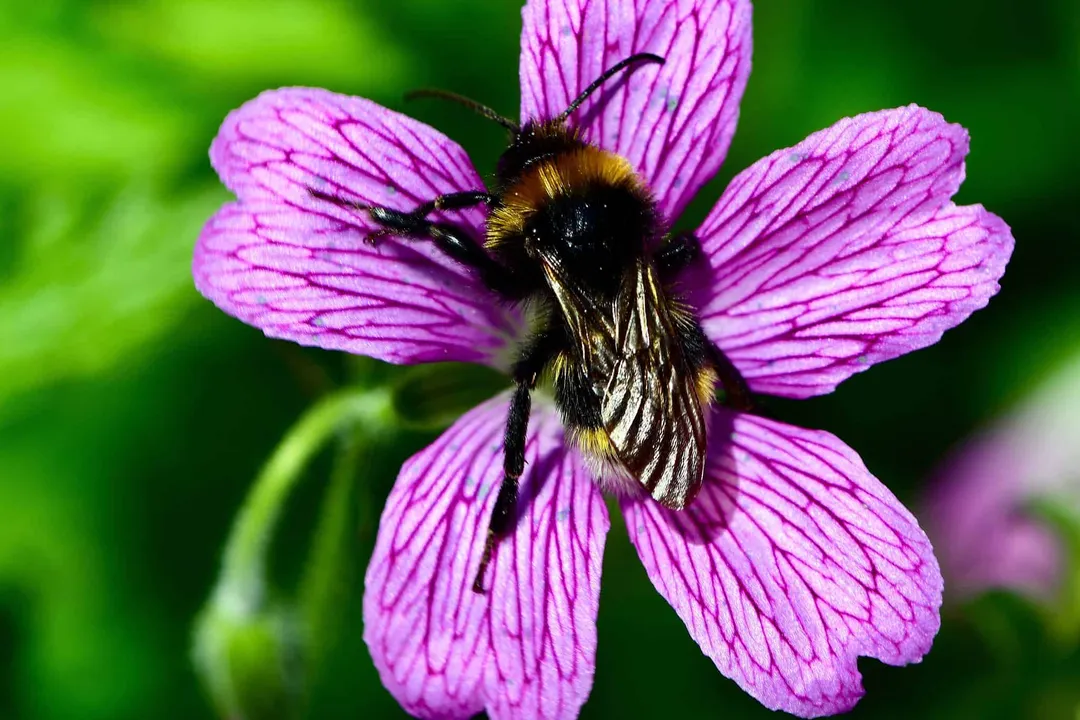
Cleptoparasitism is a specific form of parasitism where one organism gains its food or reproductive resources by stealing them from another. The Bombus vestalis practices this by infiltrating the nests of social bumblebees, effectively taking over the labor force and resources of the host colony to raise its own brood. This parasitic lifestyle is characterized by the total reliance on the host to provide the necessary resources for the parasite's offspring, as the parasite does not collect any food itself.
Related Questions
What specialized foraging structure is missing in the female Bombus vestalis?What primary energy trade-off exists for the female Bombus vestalis?Which term accurately describes the parasitic reproductive behavior of the Bombus vestalis?To which specific subgenus does the Bombus vestalis belong?Which bumblebee species serves as a common host for the Bombus vestalis?Which physical adaptations are critical for the Bombus vestalis during the takeover of a host nest?From what ancestral group is the Psithyrus lineage believed to have evolved?What is the typical fate of the host queen during a successful Bombus vestalis invasion?Why does the Bombus vestalis face higher conservation risks compared to generalist species?How does the reproductive strategy of the Bombus vestalis compare to that of Nomad bees?