Vestal Cuckoo Bumblebee Scientific Classification
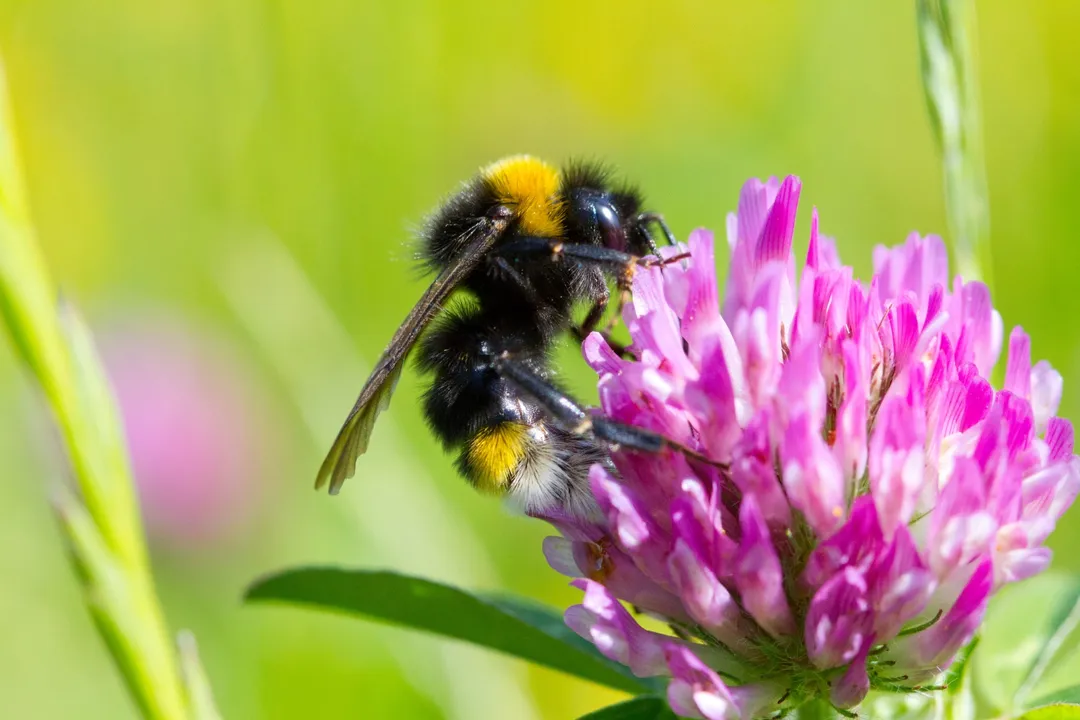
The study of any organism begins with its formal placement in the tree of life, a system refined over centuries to reflect evolutionary relationships. For the Vestal Cuckoo Bumblebee, scientifically designated as Bombus vestalis, this classification places it within a group recognized globally for its fuzzy appearance and vital role as a pollinator, though this particular species has a twist on the usual social structure. [1][3] Understanding its scientific grouping is key to unlocking why it behaves the way it does, particularly in relation to its near relatives. [2]
# Kingdom Animalia
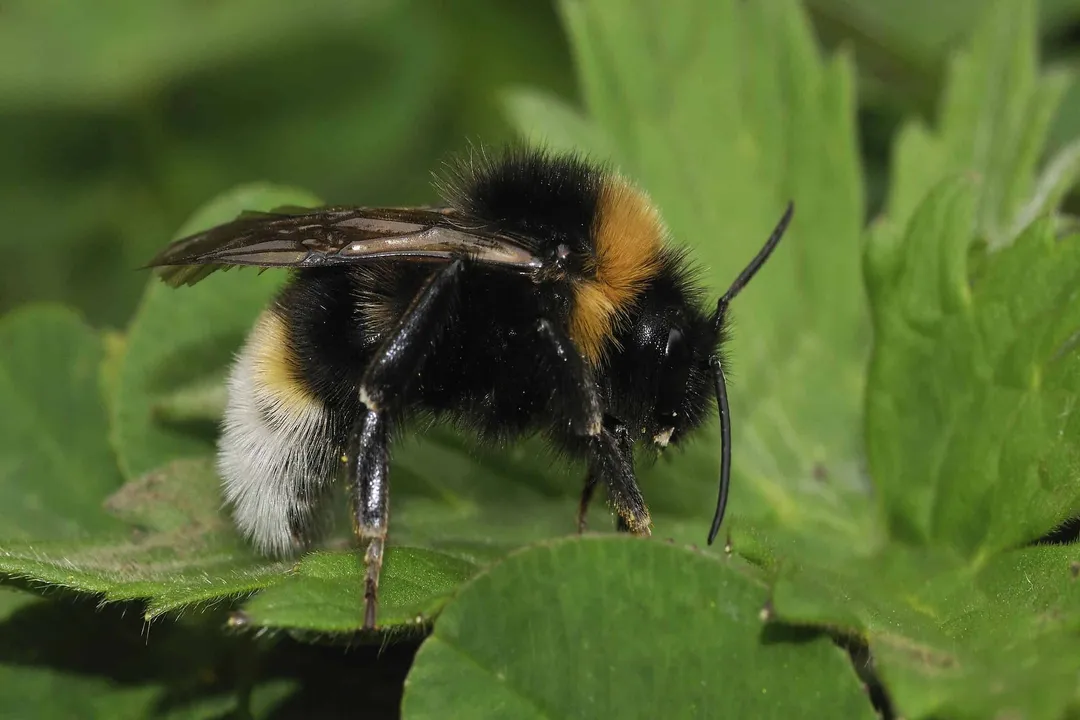
The broadest grouping for Bombus vestalis places it squarely in the Kingdom Animalia. [3][8] This signifies that it is a multicellular, eukaryotic organism, heterotrophic, and generally motile at some stage of its life cycle. [1] Like all insects, bees, and indeed, humans, it shares the fundamental characteristics that define animal life, setting it apart from plants, fungi, and bacteria. [1] This classification is stable and universally accepted for any creature exhibiting these basic biological traits. [8]
# Phylum And Class
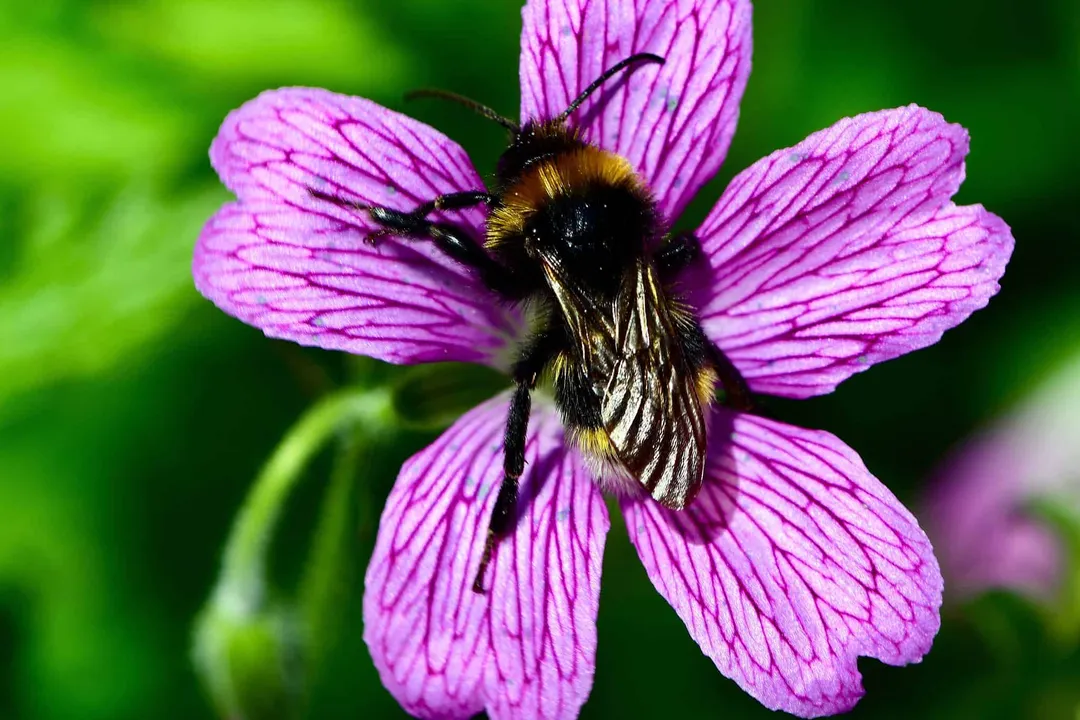
Moving down the ladder, the Vestal Cuckoo Bumblebee belongs to the Phylum Arthropoda. [3][8] This massive group is characterized by an exoskeleton, a segmented body, and jointed appendages, features readily apparent in the bee’s structure. [1] Within Arthropoda, it falls into the Class Insecta. [3][8] Insects are defined by having three distinct body parts—head, thorax, and abdomen—and typically three pairs of legs, which distinguishes them from arachnids or myriapods. [1] Their ability to fly, aided by two pairs of wings, is another defining characteristic of this class. [1]
# Order Hymenoptera
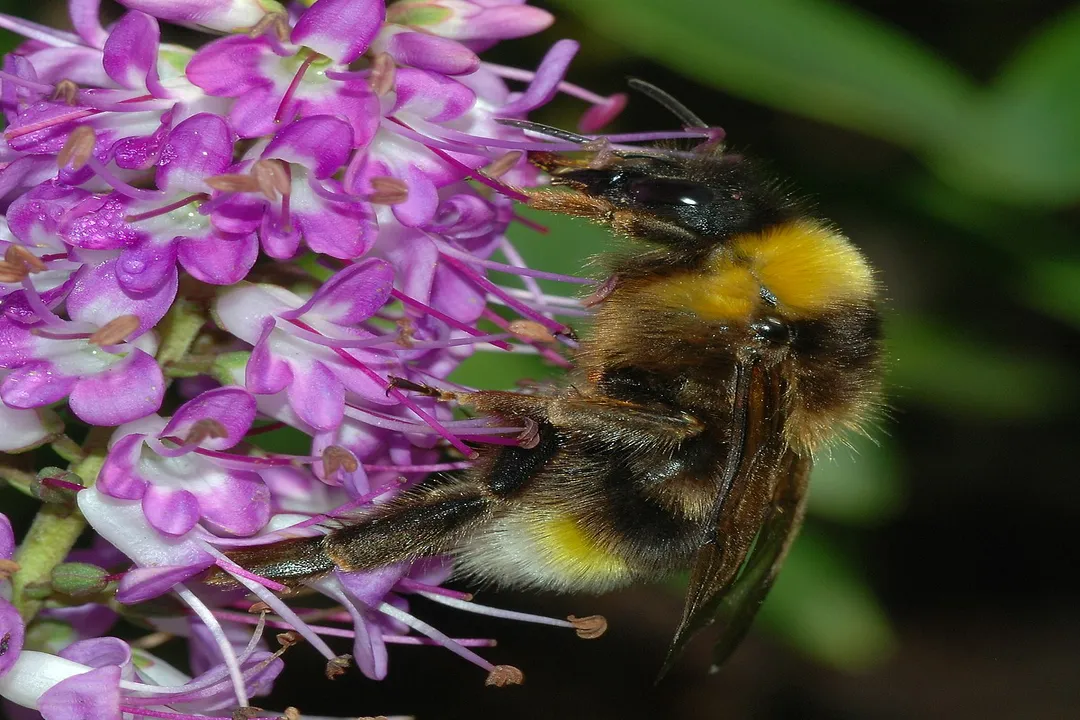
The Order to which this bee belongs is Hymenoptera. [3][8] This order is significant as it includes wasps, ants, and sawflies, alongside bees. [1] Members of Hymenoptera often exhibit complex social behaviors, a trait taken to an extreme by some members of this group, including social parasitism. [1] Key morphological features often include membranous wings, where the fore and hind wings are coupled during flight, and mouthparts adapted for chewing or sucking. [1] This places B. vestalis in a lineage known for sophisticated colony organization, even if its own existence is solitary in terms of colony founding. [2]
# Family Apidae
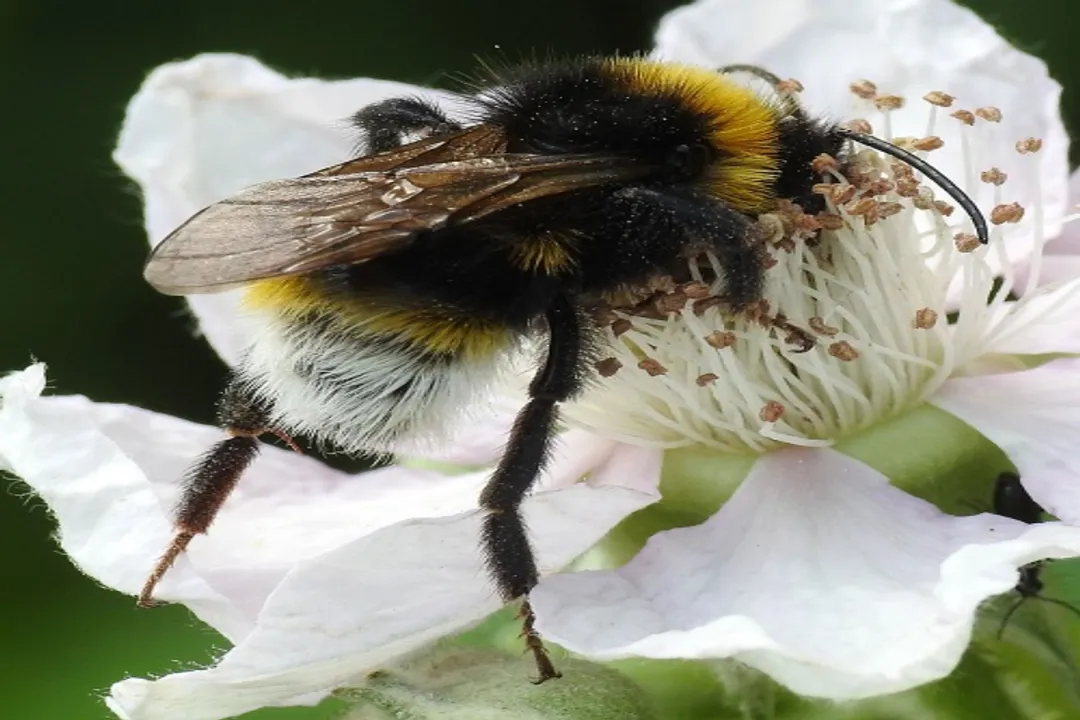
The next step down is the Family Apidae. [3][8] This family encompasses the true bees, including honey bees, bumblebees, and stingless bees. [1] The Apidae family is recognized for having specialized hairs for pollen collection, although the specific morphology can vary widely between subfamilies. [1] It is within this family that the crucial distinction between solitary, communal, and social life cycles is found, which is where the cuckoo bees deviate sharply from the typical bumblebee model. [7]
# Subfamily and Tribe
Within Apidae, the classification branches further. Bombus vestalis is typically placed in the Subfamily Apinae and the Tribe Bombini. [1][4] The Tribe Bombini is the specific grouping that contains all the bumblebees—those species characterized by their stout, furry bodies, generally round appearance, and relatively large size compared to many solitary bees. [1] This placement confirms its identity as a true bumblebee, albeit one that has evolved away from the need to build its own nest and raise its own workers. [2]
# Genus and Species
The genus for the Vestal Cuckoo Bumblebee is Bombus. [3][8] This genus contains all the recognized bumblebees worldwide. [1] Distinguishing between species within Bombus relies heavily on subtle differences in coloration, hair length, wing venation, and reproductive morphology, which is where the concept of a "cuckoo" bee becomes taxonomically relevant. [1][2]
The specific epithet, vestalis, completes the binomial nomenclature Bombus vestalis. [1][4] In classical reference, "Vestal" refers to the Vestal Virgins of ancient Rome, who tended the sacred fire and were priestesses. This naming convention subtly hints at the bee’s parasitic nature: the female queen invades the nest of another species to have her young raised by the host colony, much like a secretive ritual. [1][3] The name Bombus vestalis is formally recognized across several databases, though synonyms exist depending on the cataloguing authority. [5][10] For instance, ITIS confirms its status and provides a unique Taxonomic Serial Number (TSN) for tracking its record. [10]
# Naming Conventions and Synonyms
Taxonomic names are not static; they can evolve as new genetic or morphological evidence emerges, leading to synonyms. [8] While Bombus vestalis is the currently accepted name, historical or regional variations might show up in older literature. [1] For example, it is sometimes listed alongside, or confused with, other members of the cuckoo lineage, such as Bombus ashtoni or Bombus citrinus in North America, though B. vestalis itself is primarily a Palaearctic species. [1] Comparing B. vestalis to the Southern Cuckoo Bumblebee (Bombus caliginosus), which is a different species, highlights how precise the scientific name must be to separate functionally similar but genetically distinct organisms. [7] The species B. caliginosus, for instance, has a different host specificity, which is a critical ecological difference reflected in its classification. [7]
It is an interesting exercise to observe the common names assigned to these insects versus their scientific names. While "Vestal Cuckoo Bumblebee" is descriptive, relying on the Latinized binomial Bombus vestalis is the only way to ensure we are discussing the exact lineage associated with the hosts like Bombus terrestris (the buff-tailed bumblebee) in Europe. [1][2]
| Taxonomic Rank | Group Name | Defining Characteristic Context |
|---|---|---|
| Kingdom | Animalia | Multicellular, heterotrophic life |
| Phylum | Arthropoda | Exoskeleton, segmented body |
| Class | Insecta | Three body parts, six legs, wings |
| Order | Hymenoptera | Membranous wings, ants/wasps/bees |
| Family | Apidae | True bees, specialized pollen structures |
| Tribe | Bombini | Bumblebees (stout, furry appearance) |
| Genus | Bombus | All recognized bumblebee species |
| Species | B. vestalis | The specific parasitic lineage |
[1][3][8]
# Evolutionary Position: The Cuckoo Trait
The most compelling feature reflected in the classification of Bombus vestalis is its parasitic habit, which places it in the subgenus Psithyrus within Bombus. [1] This placement separates it functionally from the "true" social bumblebees (like Bombus terrestris or Bombus lapidarius) which establish their own colonies annually. [1][2]
The fact that B. vestalis is classified within the Bombus genus, rather than its own separate genus, speaks volumes about its recent evolutionary divergence from social bumblebees. [7] The loss of a worker caste and the specialization of the female queen to parasitize another species is an adaptation built upon the pre-existing social biology of its ancestors. [1] This parasitic evolution means the females lack the specialized structures or physiological drives to initiate a nest or rear brood themselves. [2]
An interesting consideration when looking at this classification is the implied trade-off evolutionarily. By eliminating the need to forage for pollen and rear the first cohort of workers, B. vestalis females can dedicate more energy to rapid ovary development and finding a suitable host nest sooner. [1] This specialization, clearly encoded in its genetic lineage and reflected in its species status, allows them to exploit the labor of their relatives. It’s a fascinating case study where taxonomic proximity highlights ecological divergence; they are genetically close enough to be in the same genus, but behaviorally they are complete ecological opposites, one being a producer, the other a high-level usurper. [7]
# Scientific Authority and Data Sources
The reliability of the classification rests on ongoing scientific consensus, often consolidated by international bodies. [10] Institutions like the Integrated Taxonomic Information System (ITIS) maintain the official record, ensuring that Bombus vestalis is consistently identified across global scientific endeavors. [10] When a naturalist observes a bee and submits a record to platforms like iNaturalist, that observation links back to this established taxonomic identity, allowing researchers to pool data on distribution and ecology under the correct umbrella. [4]
For citizen scientists observing these bees, recognizing the genus Bombus is relatively easy due to the characteristic fuzziness. [2] However, confirming the species vestalis requires close attention to the specific pattern of black and yellow, or sometimes predominantly black, coloration and the knowledge that it is a cuckoo species—meaning you are less likely to see it foraging normally on flowers, and more likely to see it suspiciously hovering near a known nest entrance of a host species. [1][2]
It is worth noting that the specific classification within the subgenus Psithyrus can still be debated or refined based on ongoing molecular analysis, even if the genus Bombus remains certain. [1] This constant vetting process, even for well-known insects, is what keeps biological classification a living science. For instance, understanding the exact genetic distance between B. vestalis and its European hosts helps researchers model the co-evolutionary arms race between parasite and host, something easily tracked once the scientific names are settled. [1] A common pitfall for those collecting data is misidentifying the host species, which directly impacts the ecological context of the B. vestalis sighting, making accurate species-level identification paramount for scientific trust in the data collected. [7]
Related Questions
#Citations
Bombus vestalis
Vestal Cuckoo Bumblebee - Bombus vestalis
Vestal Cuckoo Bumblebee Insect Facts - Bombus vestalis
Vestal Cuckoo Bumble bee (Bombus vestalis)
Bombus vestalis
Vestal cuckoo bee
Southern cuckoo bumblebee
Bombus vestalis - Facts, Diet, Habitat & Pictures ... - Animalia
Vestal Cuckoo Bee (Bombus vestalis)
ITIS - Report: Bombus