Which physical structure is developed on the hind legs of social bumblebee females for pollen transport?
Answer
Scopae
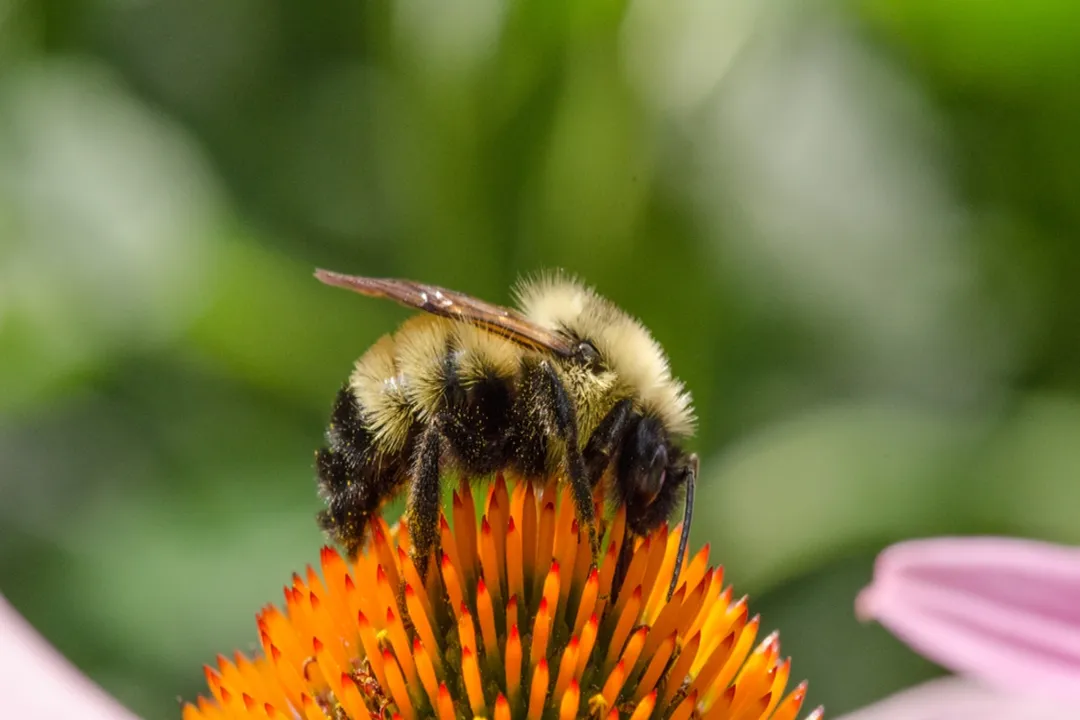
Social bumblebee females, including both queens and workers, possess specialized structures on their hind legs called scopae. These structures are essential for their role as foragers within the colony. Scopae are specifically described as concave areas that are fringed with stiff hairs. The primary function of these specialized parts is to effectively collect and transport large quantities of pollen back to the underground nest to feed the developing brood. The presence and size of these pollen-carrying structures serve as a direct indicator of a social bee's foraging duties, which cuckoo females completely lack due to their parasitic lifestyle.
#Videos
An introduction to the Cuckoo bumblebees with Clare Flynn - YouTube
Related Questions
What term describes the parasitic existence of cuckoo bumblebees who do not maintain a worker caste?Which physical structure is developed on the hind legs of social bumblebee females for pollen transport?What action does the female cuckoo bumblebee take regarding an established nest of a social species?What is the fundamental difference in reproductive organization between Bombus and Psithyrus bees?What morphological characteristic often distinguishes cuckoo bumblebee females compared to social bees needing to forage?How is the life of a social bumblebee characterized compared to the life of a cuckoo bumblebee?What is the primary objective of the cuckoo female after physically confronting the host queen?If a large, solitary female bee is observed early in spring, what might her role be if she is a 'hijacker'?What effect does the threat of cuckoo invasion have on social bumblebee queens?Why might female cuckoo bumblebees often appear more robust or queen-like than their social counterparts?