What is the difference between a bumblebee and a cuckoo bumblebee?
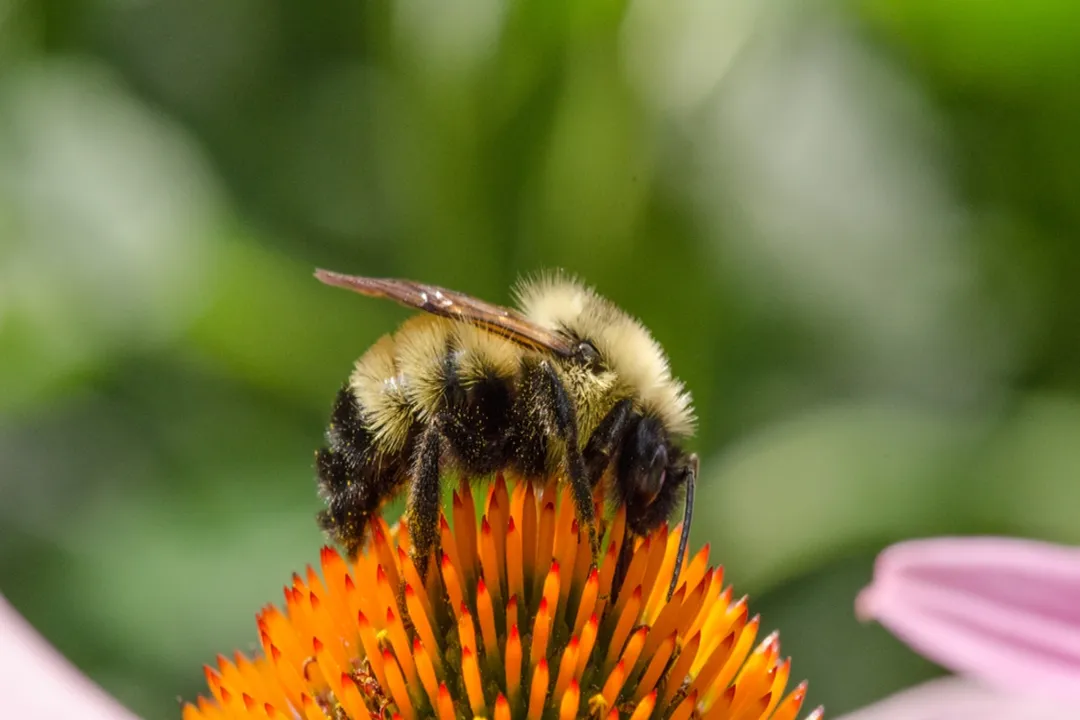
The buzz in the garden usually belongs to the familiar, fuzzy bumblebees we see diligently flitting from flower to flower, loading their legs with bright yellow or orange pollen. These are the social bumblebees, the architects of underground colonies and devoted providers for their young. However, hidden among them are their less-seen, more dramatic relatives: the cuckoo bumblebees. These two groups, while sharing the general Bombus appearance—chunky, hairy bodies—operate under fundamentally different life strategies, leading to distinct physical traits and behaviors. Understanding the difference moves beyond simple identification; it reveals two completely distinct approaches to survival within the same insect order.
# Lifestyle Divide
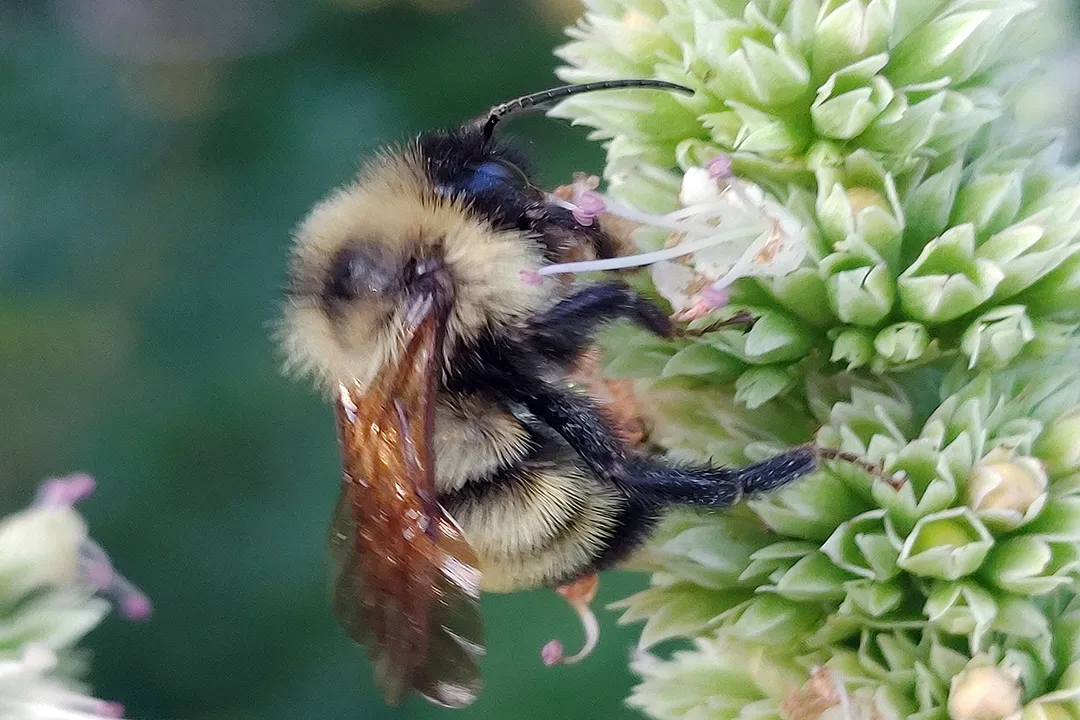
The core difference between a common bumblebee and a cuckoo bumblebee lies in their social structure and reproductive methods. Standard bumblebees, belonging to the genus Bombus, are social insects. This means they form colonies, typically nesting underground, where a single queen initiates the nest in the spring, lays eggs, and oversees the development of sterile female worker castes. These workers are responsible for all the foraging—collecting the nectar and pollen necessary to feed the growing brood—until the colony reaches its peak size.
Cuckoo bumblebees, often classified under the subgenus Psithyrus, are entirely different; they are cleptoparasites or inquilines. The term "cleptoparasite" literally means "theft parasite," which perfectly describes their existence. They do not establish their own nests, nor do they maintain a worker caste. A cuckoo female lives a solitary life, only interacting with another colony for the singular, dramatic purpose of reproduction. She never collects pollen or nectar for her own young because she relies entirely on the labor of another species.
# Nesting Habits
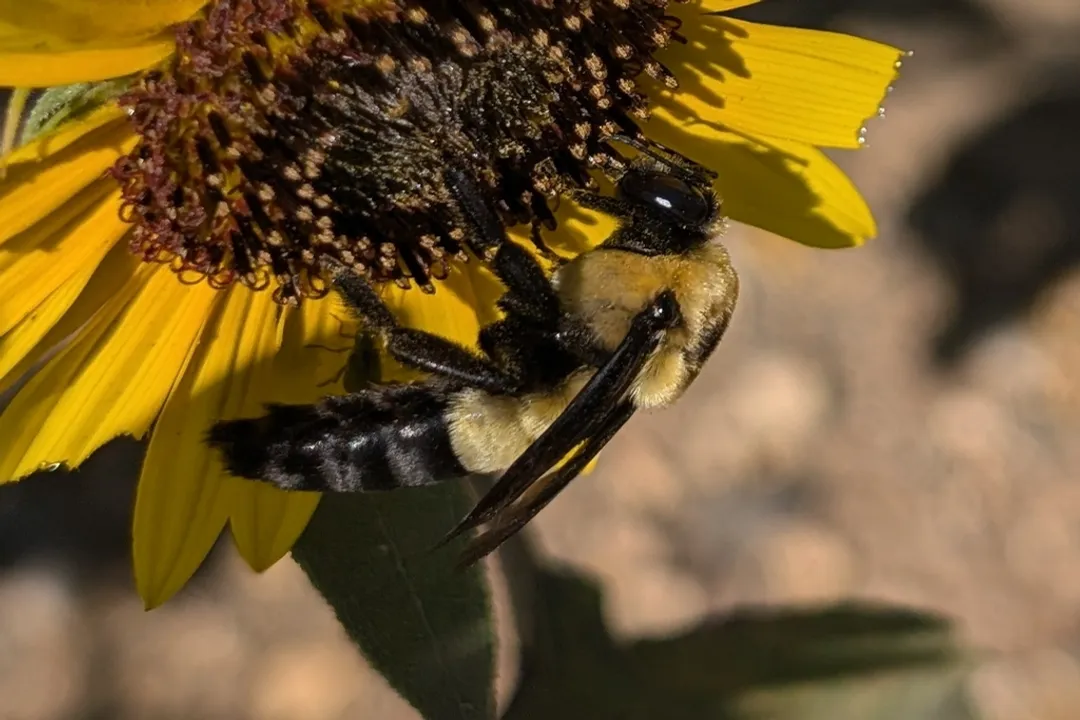
The contrast in nesting habits is perhaps the most striking divergence. A typical bumblebee queen, upon emerging from hibernation, expends significant energy finding a suitable cavity, often an abandoned rodent burrow, to start her colony. She then builds wax cells, lays her first eggs, and nurses those first larvae herself, often having to forage in between tending to the nest. The success of the entire colony hinges on her early efforts and resource management.
Cuckoo bumblebees completely bypass this demanding initial phase. Instead of building, they invade. The female cuckoo seeks out an active nest belonging to a social bumblebee species. Once she locates a host nest—which might house a queen, workers, and developing brood—she enters it. Her goal is not coexistence but replacement. She typically engages in a physical confrontation with the host queen. Accounts suggest the cuckoo, often being more robust, may subdue, paralyze, or even kill the existing queen. After this hostile takeover, the parasitic female lays her eggs. The unsuspecting host workers, having lost their true queen, are tricked into raising the cuckoo's brood as if they were their own. This strategy means the cuckoo queen invests no time or energy into foraging or nest construction; her only labor is the initial invasion. This behavior is a fascinating example of resource hijacking in the insect world; the social bee colony functions as an economic unit dedicated to resource acquisition and storage, while the cuckoo’s entire existence is predicated on the immediate, zero-labor takeover of that established infrastructure.
# Physical Variations
While both look like fuzzy, robust bees, specific physical differences exist, particularly in the females, that relate directly to their opposing lifestyles.
Social bumblebee females (queens and workers) possess pollen-carrying structures known as scopae on their hind legs. These are specialized, concave areas fringed with stiff hairs designed to collect and transport large quantities of pollen back to the nest. The presence and size of the scopae are direct indicators of a social bee's foraging role.
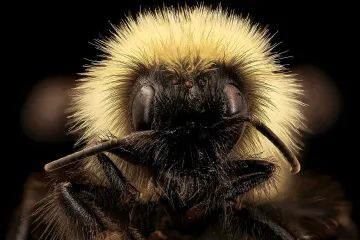
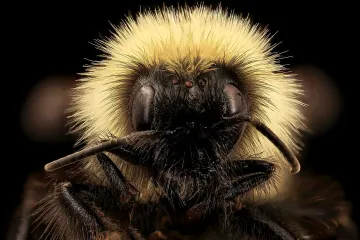
Cuckoo bumblebee females, lacking any need to forage for their young, have reduced or even entirely absent scopae. This is a key morphological marker; if you see a large, fuzzy bumblebee without noticeable pollen loads on her legs, she is a strong candidate for being a cuckoo. Furthermore, cuckoos are often described as appearing more robust or queen-like, even when compared to the queens of their host species. This greater bulk may be an adaptation for overcoming the host queen in combat. Some sources also note that cuckoo bumblebees may appear hairier than their social counterparts. Another potential, though less visible, difference noted by observers is the number of visible abdominal segments (tergites); cuckoo females sometimes have fewer visible tergites compared to social bees, though this can be difficult to confirm without close inspection.
Here is a brief table summarizing these primary structural differences:
| Feature | Social Bumblebee (Worker/Queen) | Cuckoo Bumblebee (Female) |
|---|---|---|
| Social Structure | Colonial; possesses a worker caste | Solitary; no worker caste |
| Nest Building | Builds and maintains own nest | Invades established host nest |
| Pollen Carrying | Possesses developed scopae on hind legs for pollen transport | Scopae reduced or absent; does not collect pollen |
| Size/Build | Queens large; workers smaller | Often appears very robust, sometimes larger than host queen |
| Primary Role | Foraging, nursing, defense | Host queen elimination and egg laying |
# Reproductive Strategy
The reproductive cycles of the two groups are diametrically opposed. Social bees follow a typical caste-based system leading to the production of new queens and males later in the season to mate and hibernate.
The cuckoo strategy is one of immediate reproductive piracy. The female cuckoo emerges from hibernation, typically around the time that host colonies are becoming established. Her success is entirely dependent on finding a suitable host queen who is actively tending to her first brood. Once the host queen is neutralized, the cuckoo female can begin laying her eggs. Because the host workers are doing all the work, the cuckoo's brood develops rapidly, often emerging earlier than the next generation of the host species. This early emergence of the parasitic males and females means they can fly off to mate sooner than their hosts, ensuring the continuation of the Psithyrus line.
It is worth noting that the specific host species matters significantly for the cuckoo. For instance, in Minnesota, the Lemon cuckoo bumblebee (Bombus citrinus) is known to target specific hosts, making their survival intrinsically linked to the health of those specific colonies. This contrasts sharply with the generalist foraging approach of many common social bumblebees, which can often switch between various flowering plants. A generalist forager provides a broader ecological safety net for itself than the highly specialized parasitic strategy of the cuckoo.
# Ecological Niche
Although their methods are often viewed negatively due to the term "parasite," cuckoo bumblebees are recognized as important members of diverse ecosystems. They are not simply destructive; they are part of the biological reality of these environments. Their presence indicates a healthy, complex community structure that supports both parasitic and social insect life cycles.
For the social bumblebees, the threat of cuckoo invasion acts as a selective pressure. It favors queens that are either better fighters or quicker to establish their dominance and brood defenses, although this is an area where more observation is needed to fully understand adaptation.
When observing a bumblebee in your garden, one of the subtle, integrated observations you can make is assessing its potential impact based on the time of year. If it is early spring and you see a large, solitary female bee, she is almost certainly a queen—either a social queen beginning her arduous nest construction or a cuckoo queen preparing her invasion. The social queen is the producer; the cuckoo queen is the hijacker. Later in the summer, if you see a large, solitary bee without pollen baskets, you are likely observing a cuckoo female whose entire season is dedicated to the brief act of parasitism.
# Identification Difficulties
Despite these clear functional differences, field identification can sometimes be tricky. This is because the visual appearance of cuckoo bumblebees can closely mimic that of the queens of their host species, or even the queens of other, non-parasitic species. In some cases, the physical cues like hairiness or size overlap significantly, making a definitive call difficult without a very close look at the legs for those tiny pollen structures. Species like Bombus suckleyi, Suckley's cuckoo bumblebee, are known examples of cuckoos that exist within diverse pollinator communities. Because they are an integral, albeit parasitic, component of the ecosystem, learning to distinguish them is valuable for a complete picture of local bee fauna.
# Behavioral Signatures
Beyond morphology, the behavior displayed is the most telling characteristic. A social bumblebee, regardless of whether it is a queen or a worker, will be seen entering and leaving the same nest entrance repeatedly, often with visible pollen on her legs. Her routine is one of constant labor and return.
The cuckoo's behavior is far more erratic and less frequent. She will make one or perhaps a few short visits to a host nest. She does not establish a regular commuting pattern for foraging because she has no foraging apparatus or need for a regular supply run. Her brief presence is marked by the potential for aggression, as her mission requires confronting the established order inside. If you observe a large, solitary bee flying near a ground nest but never seem to watch her return laden with food, you may be witnessing the secret work of a cuckoo bumblebee. The life of the social bee is characterized by cumulative effort; the life of the cuckoo is defined by a single, high-risk, high-reward confrontation. The success of the entire social colony is built on consistent, collective work, while the cuckoo relies on the temporary, fatal failure of the host's leadership. This inherent difference shapes everything about their appearance and activity level throughout the season.
#Videos
An introduction to the Cuckoo bumblebees with Clare Flynn - YouTube
Related Questions
#Citations
Understanding cuckoo bumble bees: terrors or treasures?
Difference between Social and Cuckoo Bumblebees - Natusfera
[PDF] The six cuckoo bees - Bumblebee Conservation Trust
Lemon cuckoo bumble bee characteristics - Facebook
Cuckoo bumblebees
Cuckoo Bumble Bees: Important Species for Diverse Ecosystems
An introduction to the Cuckoo bumblebees with Clare Flynn - YouTube
Lemon cuckoo bumble bees make sour house guests
(species) bombus suckleyi - WY Field Guide