Vestal Cuckoo Bumblebee Diet
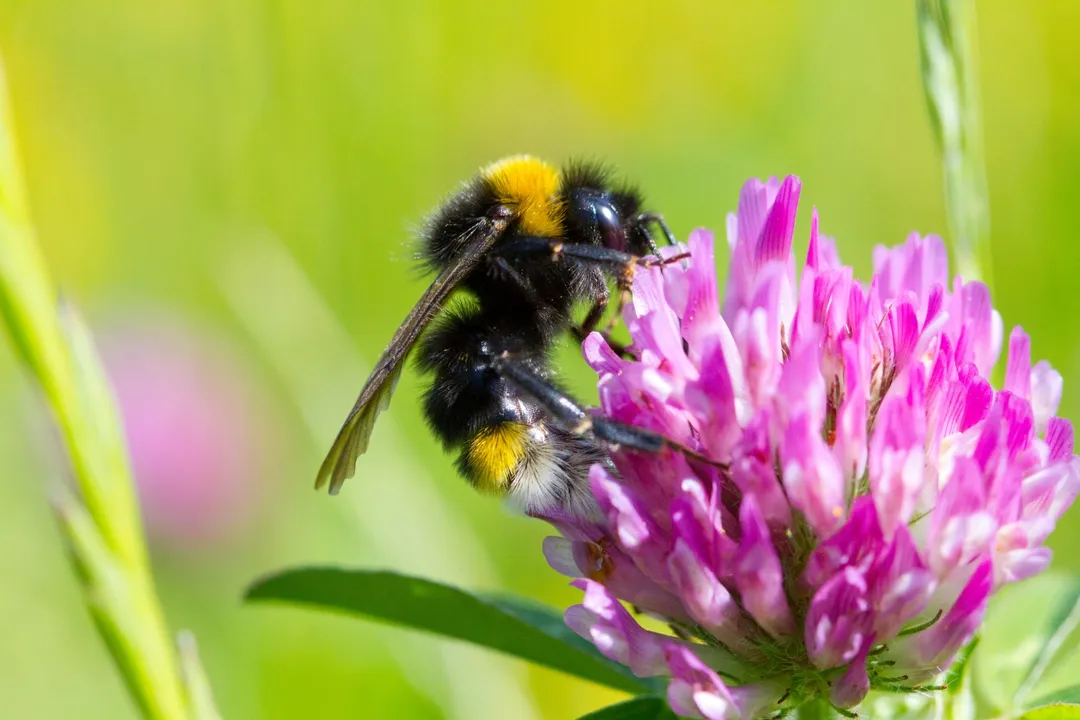
The dietary habits of the Vestal Cuckoo Bumblebee, Bombus vestalis, present a fascinating departure from the norms we typically associate with other bumblebees. While most species dedicate their lives to the tireless collection of nectar and pollen to provision their offspring, the cuckoo bee operates under a strategy of social parasitism, fundamentally altering its relationship with floral resources. [7] This means that unlike a standard bumblebee colony that builds its stores from scratch, the Vestal Cuckoo relies almost entirely on the efforts of another bee species for its sustenance. [7]
# Parasitic Entry
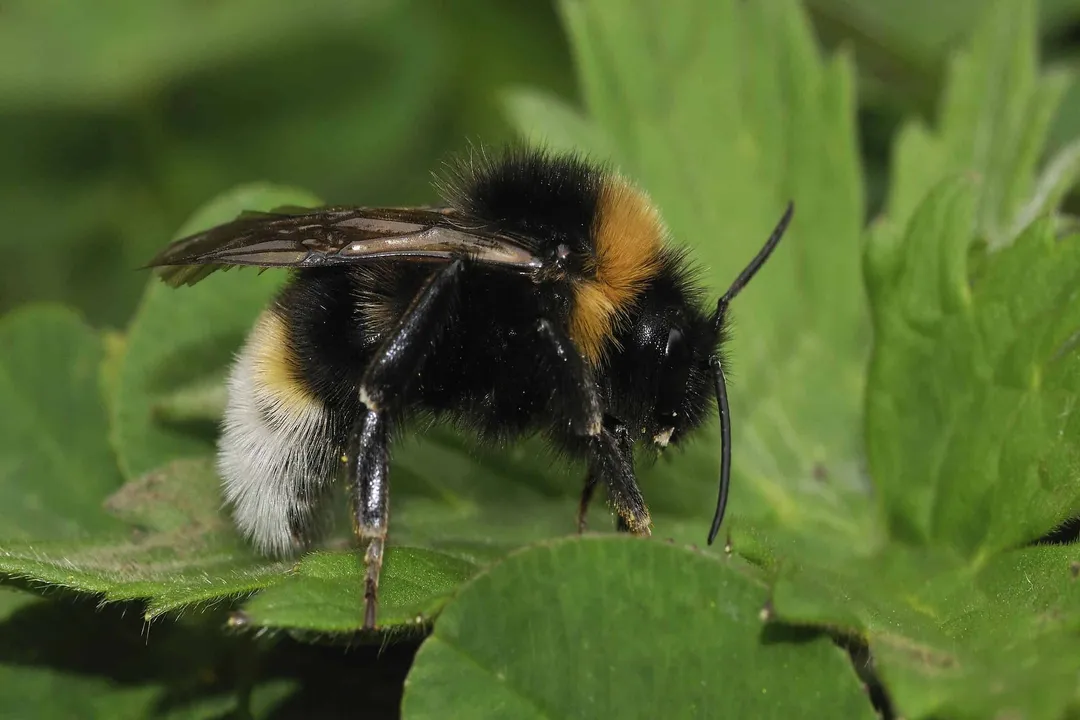
The entire nutritional strategy hinges on the actions of the solitary, newly emerged female cuckoo queen in the spring. [5] Before she can ever benefit from another colony's stores, the queen B. vestalis must locate and infiltrate a nest belonging to her host. [7] The primary targets for the Vestal Cuckoo are colonies of the buff-tailed bumblebee, Bombus terrestris, or sometimes the cryptically-named Bombus cryptarum. [1][5][6] Upon successfully entering the nest, the cuckoo queen often kills the host queen, usually through aggression or poison, before laying her own eggs. [7] This act immediately shifts the nutritional burden: the host colony’s existing or future provisions become the future food supply for the parasite’s brood. [7]
# Queen Foraging
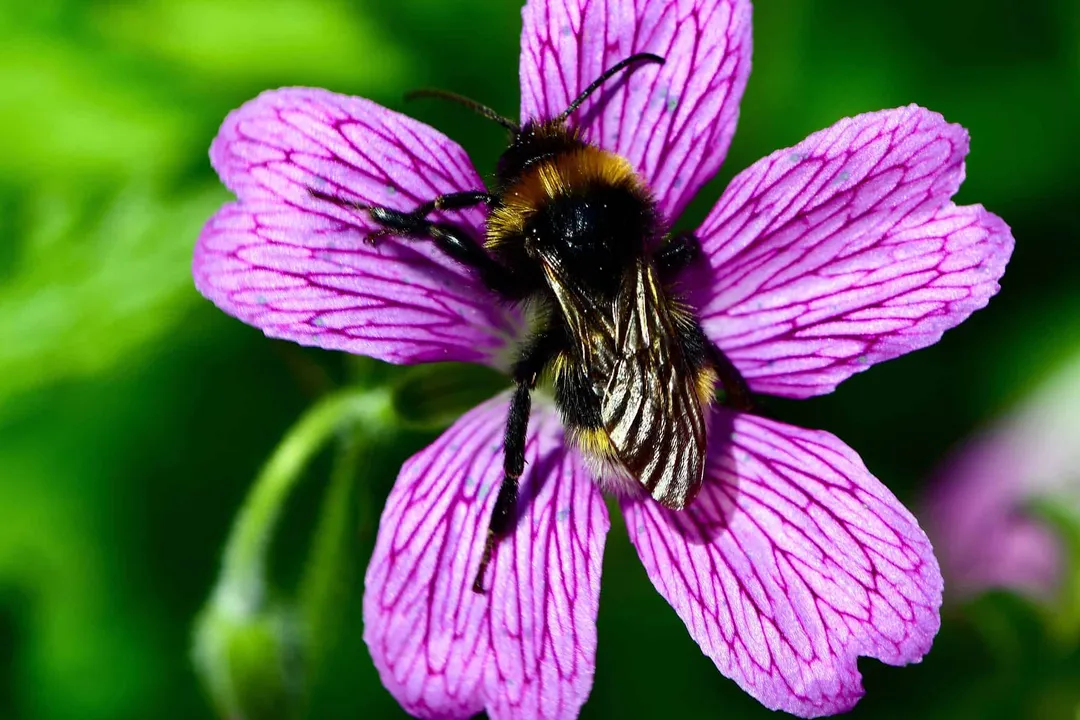
When the B. vestalis queen first emerges, she needs energy to fuel this infiltration effort, which requires flying and locating a suitable, established host nest. [5] Like any bumblebee, she will feed on nectar for immediate energy and collect pollen, though perhaps not on the same massive scale as a founding queen of a social species preparing for months of rearing. [7] During this critical phase, her diet will consist of whatever nectar-rich flowers are currently available in the early season landscape. [7] However, this foraging period is relatively brief compared to that of a standard queen who must sustain herself and her first batch of workers until they take over foraging duties. For the cuckoo queen, the goal is acquisition of the nest, not accumulation of stores. [7]
It is illuminating to contrast the energy expenditure here. A typical Bombus queen might spend weeks flying between flowers, collecting enough nectar to fuel egg-laying and enough protein-rich pollen to create the first few larvae. In contrast, the Vestal Cuckoo queen essentially substitutes this massive, long-term provisioning effort with a single, high-risk, high-energy infiltration event. [7] Her survival depends on quickly locating a colony that has already completed the laborious foraging necessary to build up its resources. [5]
# Larval Sustenance
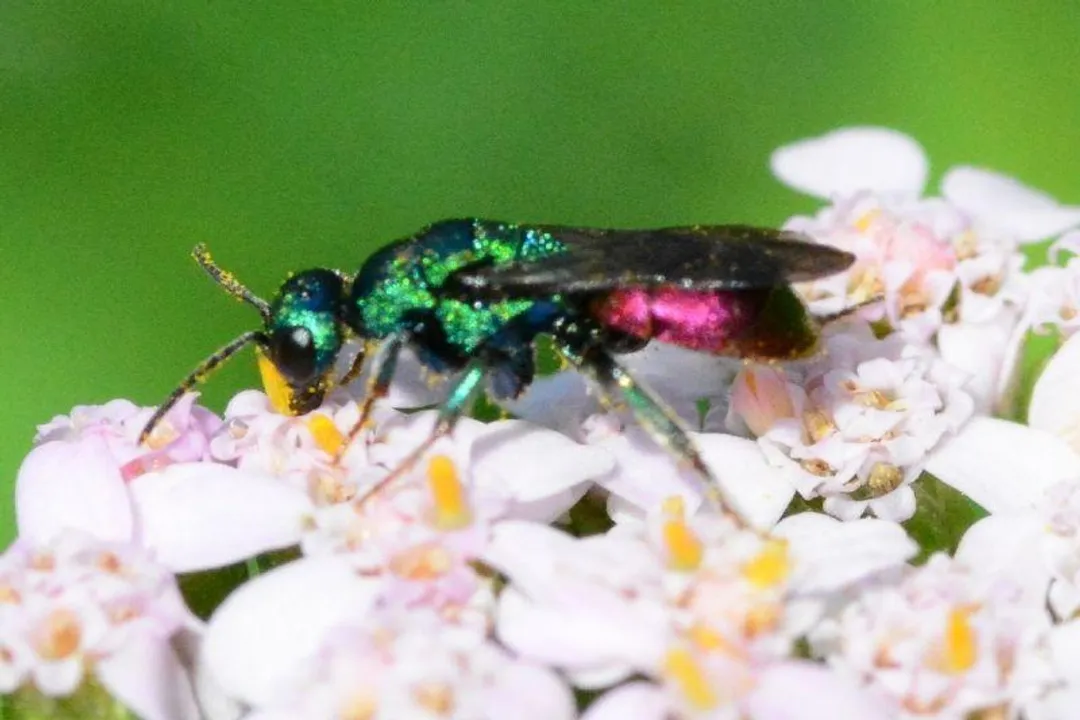
The diet of the developing larvae, the future generation of cuckoo bees, is entirely dependent on the host workers’ provisioning behavior. [7] Once the cuckoo queen’s eggs hatch, the host workers mistake the parasitic larvae for their own and feed them collected nectar and pollen. [7] The B. vestalis larvae consume the food stores created by the B. terrestris or B. cryptarum workers, allowing the cuckoo lineage to mature without the parasitic mother ever having to forage for the brood. [7]
Because the cuckoo larvae are raised by the host workers, their diet reflects the floral sources those host workers prefer. While specific, exclusive lists detailing Bombus vestalis larval preferences are not typically cataloged due to the parasitic nature, we can infer their nutritional base from the known foraging habits of their common hosts, such as B. terrestris. [1][5] These host species are known generalists, feeding across a broad spectrum of flowering plants, which benefits the cuckoo by providing a varied and often abundant supply of carbohydrates (nectar) and protein (pollen). [1][6] Plants like clover, brambles, thistle, and various garden flowers are staples for many common bumblebees, and therefore likely form the base of the food provided to the B. vestalis brood. [1]
To put this reliance into perspective, consider a hypothetical scenario: If a stand of early spring willows provides the primary nectar source for a host colony, the first batch of B. vestalis larvae will be predominantly fueled by willow nectar. If a later drought wipes out summer legumes, the host workers will switch to remaining sources like knapweed or scabious, and the subsequent cuckoo brood will consequently develop using food derived from those flowers instead. [7] The cuckoo bee's successful diet is inextricably linked to the foraging success of its victim.
# Conservation Implication
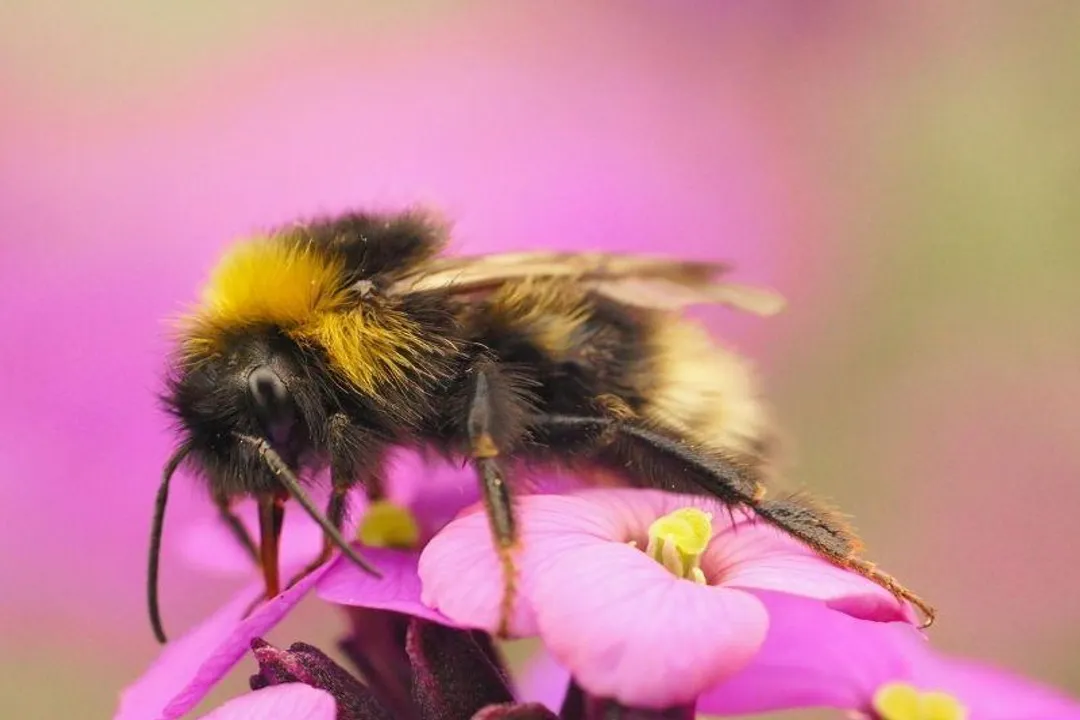
This specialized dependency creates an interesting conservation dynamic, and it is here that management strategies must consider two species simultaneously. When gardeners or conservationists plant native, nectar-rich flowers to support local pollinators, they are primarily targeting the needs of the standard, pollen-collecting bees. However, the presence and health of those plants directly influence the success of the host colonies, such as B. terrestris. [1] If the habitat provides a rich and continuous supply of forage for the host, that host colony can maintain high worker numbers and large food stores, which in turn makes it a more attractive and viable target for the invading B. vestalis queen. [5] A sudden, sharp decline in host plant availability might starve the host colony before the cuckoo queen can successfully infiltrate or before the host workers can provision the parasitic brood, though the cuckoo queen's survival in a poor foraging year is also independently threatened. [5] Therefore, managing for Vestal Cuckoo survival is not about planting specific flowers for them, but about ensuring the ecological stability and floral diversity required by their hosts.
Related Questions
#Citations
Vestal Cuckoo Bumblebee Insect Facts - Bombus vestalis
Bombus vestalis - Facts, Diet, Habitat & Pictures on Animalia.bio
Southern cuckoo bumblebee
Vestal Cuckoo Bee (Bombus vestalis) - Facebook
Bombus vestalis - Wikipedia
Vestal Cuckoo Bumblebee - Bombus vestalis - NatureSpot
The Cuckoo Bumble Bee (Psithyrus) Images, Behaviours And Hosts
Vestal Cuckoo Bumblebee: The Fascinating Parasitic Bee
A Guide to Cuckoo Bumblebees: Understanding Cuckoo Bees and ...