Vestal Cuckoo Bumblebee Locations
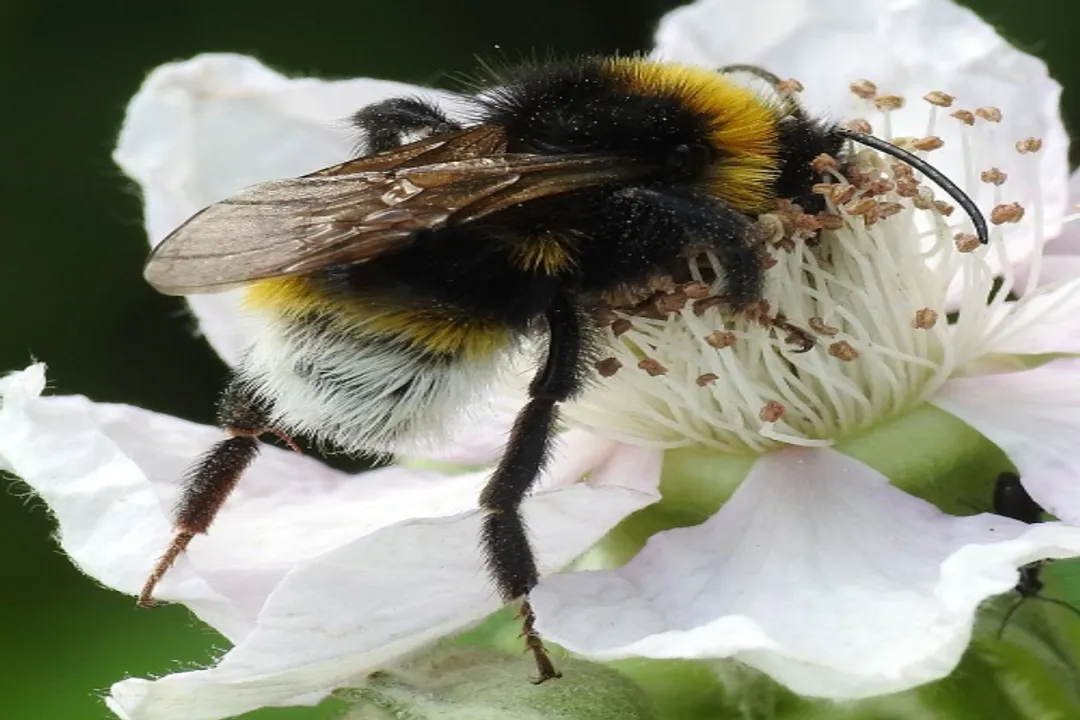
The sighting of a large, distinctive bumblebee moving with a slightly hesitant, almost furtive flight pattern often sparks curiosity among naturalists, especially when it lacks the characteristic pollen baskets seen on the legs of standard foraging bees. This behavior immediately suggests the presence of a parasitic species, and if you are in the right part of the world, that visitor might well be the Bombus vestalis, commonly known as the Vestal Cuckoo Bumblebee. [1][2] Pinpointing where one might find this species requires understanding not just a map of its general range, but an appreciation for its unique, socially parasitic lifestyle, which ties its location directly to that of its unsuspecting host.
# Broad Geography
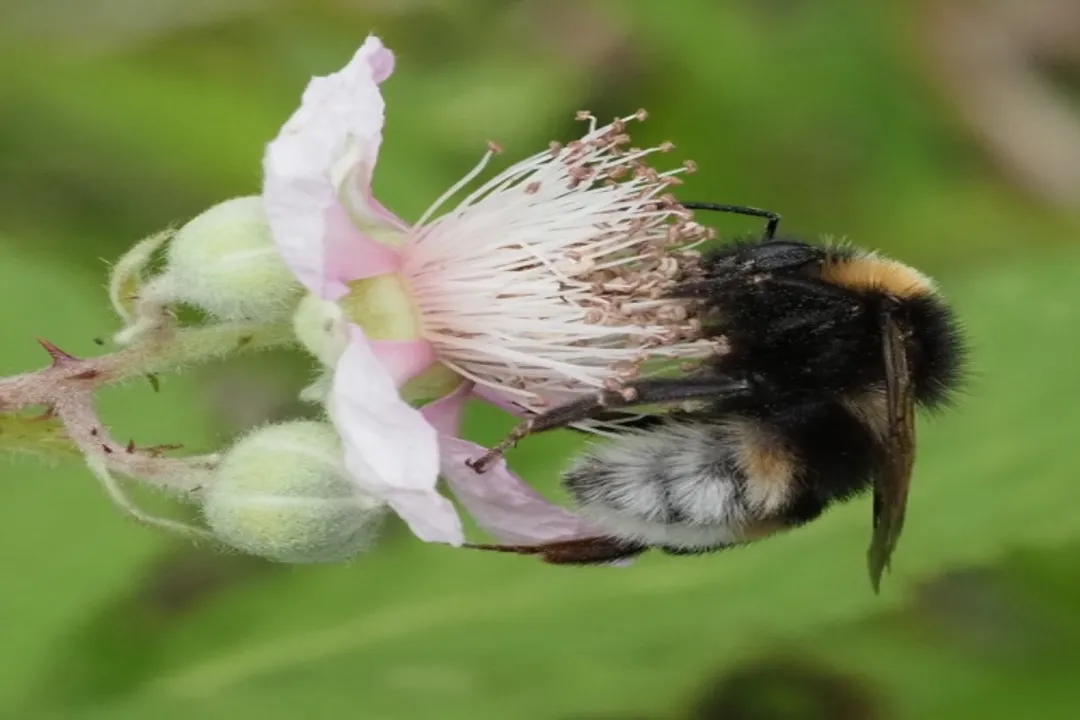
Globally, the distribution of the Vestal Cuckoo Bumblebee suggests a wide but somewhat patchy presence spanning continents. While definitive, fine-scale data can sometimes be localized to specific regional surveys, Bombus vestalis is generally recognized as having a distribution across much of Europe and extending into Asia. [2] This vast sweep indicates a degree of adaptability in climate and environment, but within Europe, its success is more immediately dictated by the presence of the specific social bumblebee it targets for reproduction.
# United Kingdom Range
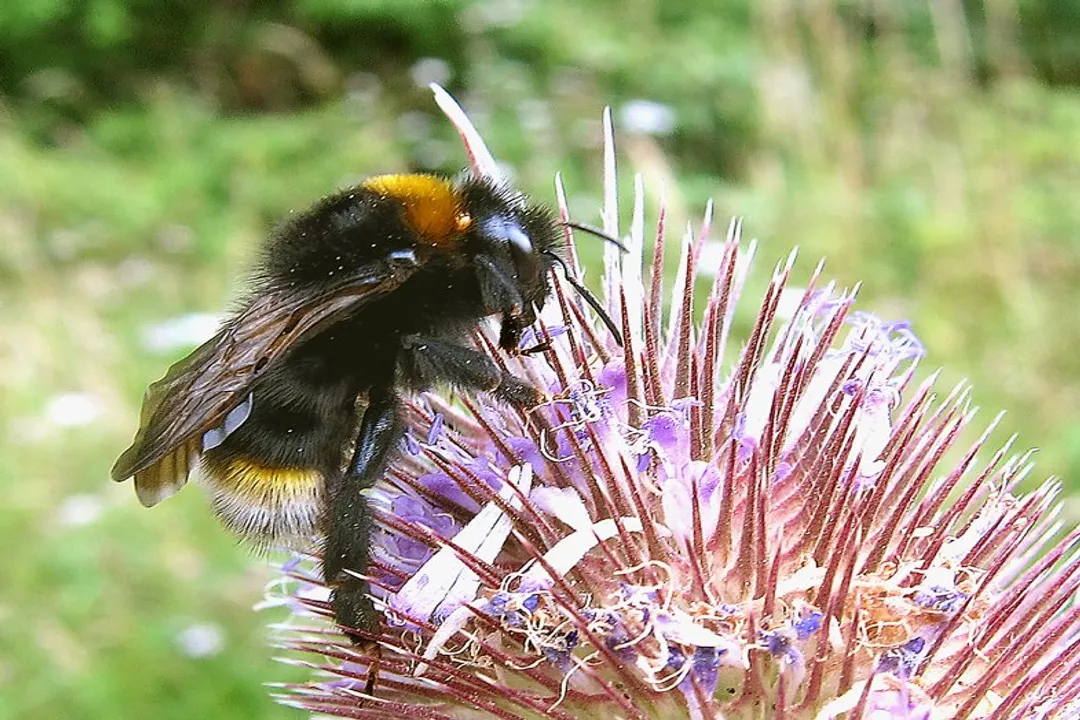
Within the United Kingdom, the Vestal Cuckoo Bumblebee exhibits a clear pattern of distribution that heavily favors the warmer, more established regions. Observations consistently place it as common in central and southern England. [2] This suggests that the conditions necessary for its host species to thrive—and for the parasitic queen to survive hibernation and successfully establish herself—are most reliably met in these southern latitudes. [2] As one moves further north, records become noticeably fewer, and reports from Scotland are even rarer, suggesting a decline in its prevalence as temperatures and seasonality change. [2]
It is important to contrast this UK pattern with the closely related Southern Cuckoo Bumblebee, Bombus bohemicus, which has different host preferences and distribution nuances, reinforcing that location scouting for parasitic species requires meticulous species differentiation first. For B. vestalis, the line of commonality seems sharply drawn south of the midlands, though persistent sightings do occur elsewhere in Britain. [2] The fact that the Gedling Conservation Trust notes it as uncommon further north and in Scotland underscores the general trend away from the south and east.
# Preferred Habitats
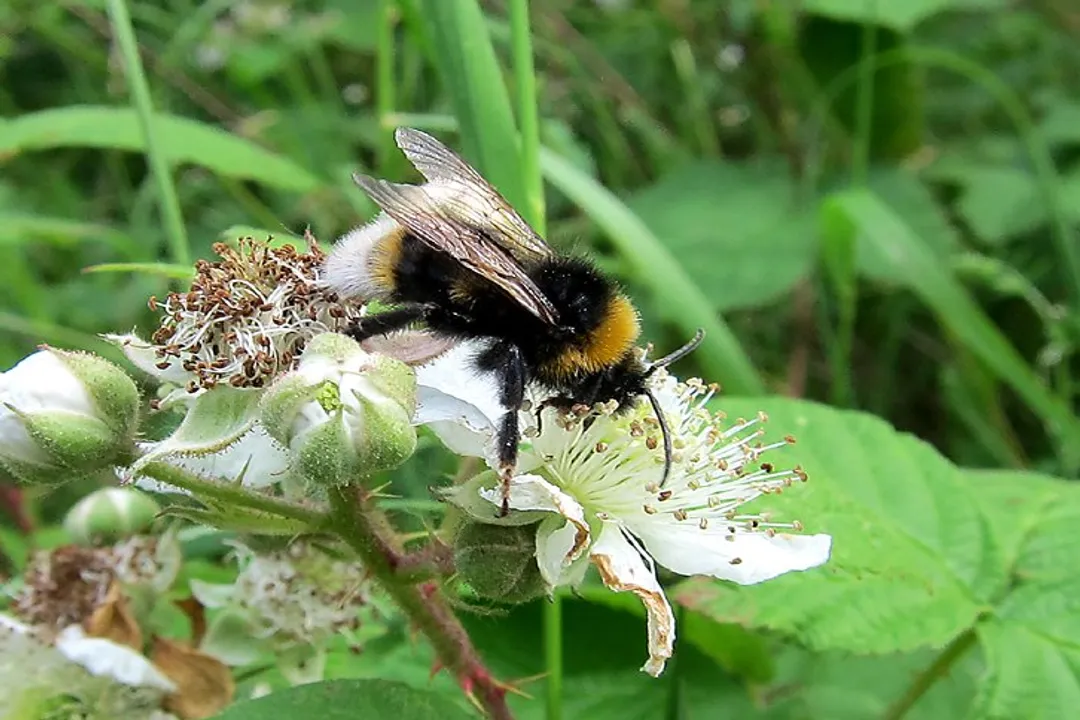
Unlike the bumblebees whose nests it invades, the Vestal Cuckoo Bumblebee does not necessarily require a specific, pristine habitat type for its adult female's initial emergence or foraging. Its habitat is essentially the habitat of its victim. Since the female B. vestalis emerges later in the spring than the queen of the host colony, she needs readily available forage during that specific window to build up her own reserves before infiltrating a nest. [2]
The reported habitats are broad: gardens and grasslands, [2] as well as woodland and open habitats where its host is present. If we consider the host, Bombus terrestris (the Common Carder Bee), which is notoriously adaptable and often nests in urban or suburban settings, it follows that the Vestal Cuckoo will also be found in proximity to these areas. [2]
When mapping out a search strategy, it is often more fruitful to look for established, undisturbed areas rich in early-spring floral resources that Bombus terrestris would favor for nesting establishment, rather than searching randomly across vast tracts of wilderness. For example, if an area has dense, old hedgerows bordering mature flower borders, this combination provides both potential nest sites (underground cavities, perhaps associated with old rodent runs) and immediate sustenance for the invading queen. [2]
# Host Linkage Significance
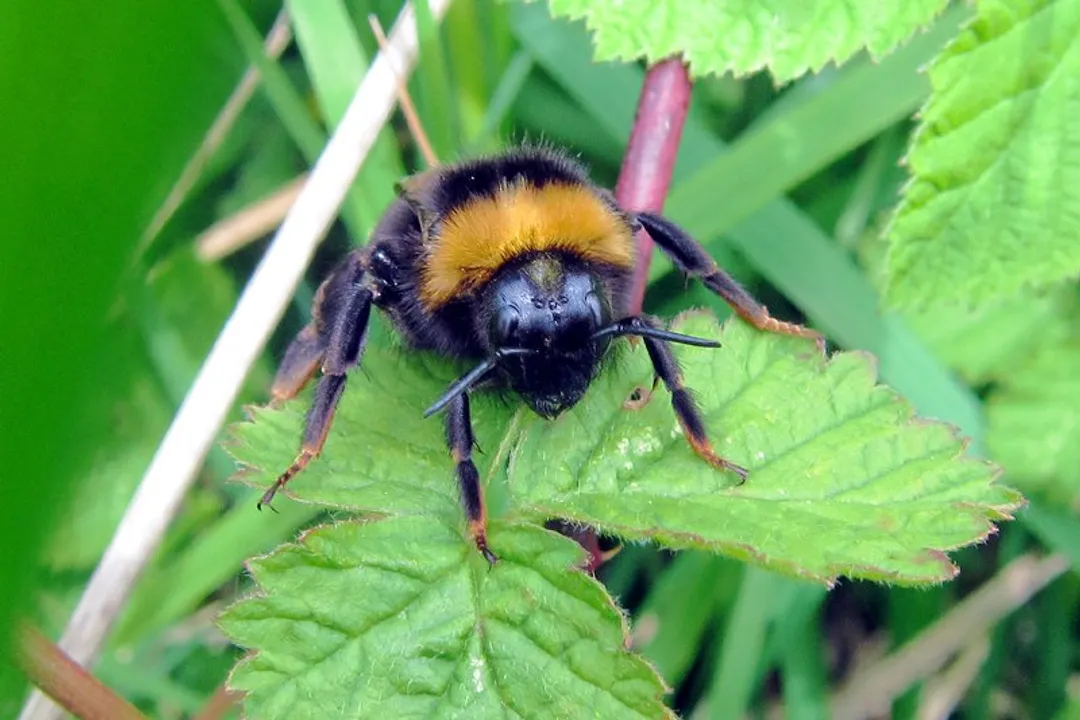
The location of the B. vestalis is functionally meaningless without considering the location of its host, Bombus terrestris. [2] The entire reproductive cycle of the cuckoo bee is predicated on finding, entering, and taking over a B. terrestris nest. [2] The female B. vestalis must kill the resident queen and then lay her own eggs, which are subsequently reared by the host's own worker bees. [2]
This dependency means that any location reported for B. vestalis is inherently a location that supports a healthy population of B. terrestris. In areas where B. terrestris is rare or absent, B. vestalis cannot be present, regardless of local flora or climate suitability for the cuckoo itself. Therefore, understanding the distribution map of B. terrestris in the UK, which is widespread, helps explain the scattered distribution of B. vestalis in the north—it's present where terrestris persists, but perhaps at lower densities due to increased environmental stress or a lack of adequate nesting spots that suit the terrestris queen.
If you are attempting to predict a sighting, look for areas where B. terrestris is known to be abundant and secure. In many localized surveys, such as those conducted in Leicestershire and Rutland, B. vestalis is reported as common in those specific Vice County 55 (VC55) areas, which directly correlates with high terrestris presence in those specific gardens and grasslands. [2] This strong correlation is a guiding principle for location assessment.
# Temporal Window for Discovery
The location is only relevant during a specific time of year. The mated female B. vestalis hibernates over winter, emerging in the spring later than her host queen. [2] The best time to see the parasitic female actively foraging, likely scouting for a suitable nest to invade, is between Late March to August in some records, or March to September in others. [2] The critical period for the initial takeover attempt is relatively narrow, likely spanning late spring, as the host colony begins to establish its first true workers.
Considering this tight timeframe offers an actionable insight for observers. The most valuable search window for encountering an invading female is after the first few B. terrestris workers have emerged—which signals the colony is established enough to be worth attacking—but before the host colony becomes too large to subdue. For many observers monitoring local pollinator activity, this often translates to a highly focused search during late May and June in known terrestris foraging areas, looking for that single, larger, slightly out-of-place bumblebee visiting flowers that the standard workers are ignoring for a few crucial days. [2]
# Localized Data Highlights
To provide concrete examples of where this species has been documented, regional conservation groups offer valuable local context. For instance, observations within Nottinghamshire have noted the species as Common in Nottinghamshire and at Netherfield Lagoons. This suggests that specific local sites managed for wildlife, like nature reserves with varied habitats, can serve as excellent, predictable locations for finding this species, provided the host is present.
Similarly, records from Leicestershire and Rutland confirm B. vestalis as Common in Leicestershire and Rutland. [2] The consistent recording data from these areas shows multiple verified sightings across various garden sites and nature reserves between March and August, reinforcing the general UK pattern of southern/central commonality. [2] This local data suggests that if you are in a region where B. terrestris is considered robust, you should expect to find B. vestalis too, possibly at a ratio that reflects the differing population dynamics between the host and parasite. If a local terrestris population is doing exceptionally well in, say, a new housing development with many suitable garden nesting spots, the local B. vestalis presence might be unexpectedly high there.
# Comparative Location Analysis
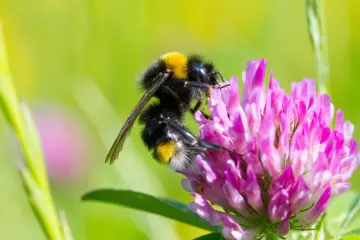
When looking for B. vestalis, observers often confuse it with other cuckoo bumblebees, whose locations differ based on their own host specificity. For example, the Southern Cuckoo Bumblebee (B. bohemicus) mimics the White-tailed Bumblebee (Bombus lucorum). [2] Since B. lucorum and B. terrestris have slightly different distribution preferences across the UK—B. lucorum perhaps being more common in the cooler, wetter north where B. vestalis struggles—the location where you find a cuckoo bee can instantly inform you which parasite species you have encountered. [2] If a cuckoo bee is seen parasitizing a nest in the Scottish Highlands, it is far more likely to be B. bohemicus than B. vestalis. [2] This difference in host range effectively creates distinct geographical niches for the two parasites within the UK landscape.
# Predictive Location Strategy
Because the B. vestalis cannot survive without B. terrestris, predicting where to find the parasite means predicting where the host is thriving. Given that B. terrestris is highly adaptable and one of the most common bumblebees in many developed areas, the true limiting factor for B. vestalis in the northern UK is less about open space and more about sustained, productive nesting sites that allow the host colony to reach the size necessary for a successful takeover attempt.
Therefore, an expert strategy for locating this bee involves looking for B. terrestris colonies that have successfully built up large worker forces. This often happens in suburban environments where ground disturbance is minimal year-to-year (allowing established nest sites to persist) and where there is a high density of quality forage, such as established, well-maintained gardens that are not heavily treated with pesticides. In such zones, where the terrestris nest population density is high, the chance of an invading B. vestalis queen successfully locating and subjugating a nest increases significantly, making these suburban/urban interfaces prime territory during the critical spring/early summer period. [2] This subtle localization within broader habitat types is a key element often missed when simply noting "gardens and grasslands" as the habitat. [2]
Related Questions
#Citations
Vestal Cuckoo Bumblebee - Bombus vestalis - NatureSpot
Vestal Cuckoo Bee - Gedling Conservation Trust, Nottingham