Vestal Cuckoo Bumblebee Facts
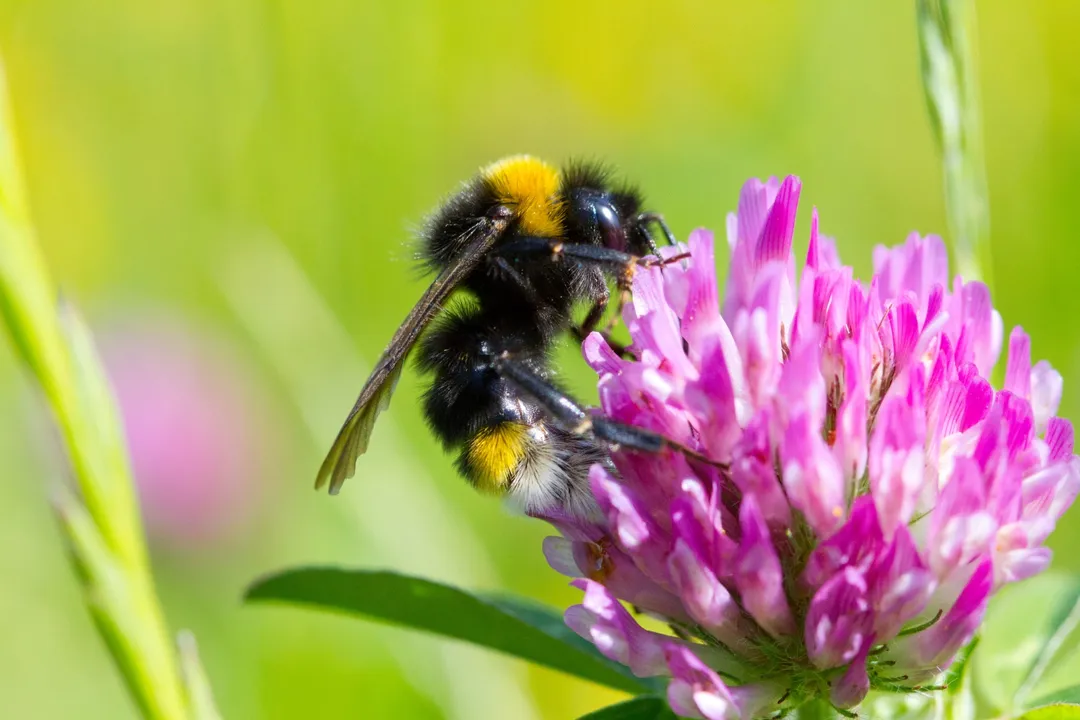
The Vestal Cuckoo Bumblebee, formally recognized as Bombus vestalis, presents one of the more dramatic survival strategies within the often-fascinating world of bumblebees. [1][6] Unlike the majority of its relatives that diligently build and maintain their own separate colonies from scratch, this species is an obligate social parasite. [1][6] This label means that the Vestal Cuckoo is completely dependent on another, more conventional bee species for its existence and propagation. [1][6] To truly appreciate this bee, one must understand the host it targets and the stealth required for its infiltration: the common White-tailed Bumblebee, Bombus terrestris. [1][6]
# Look Alike
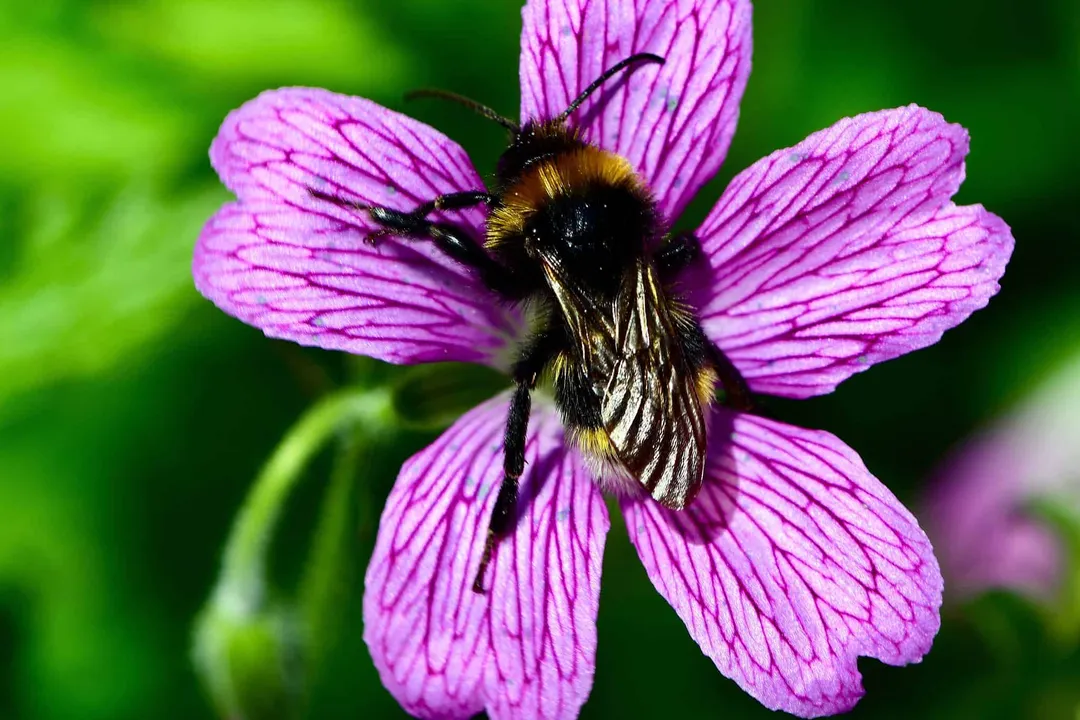
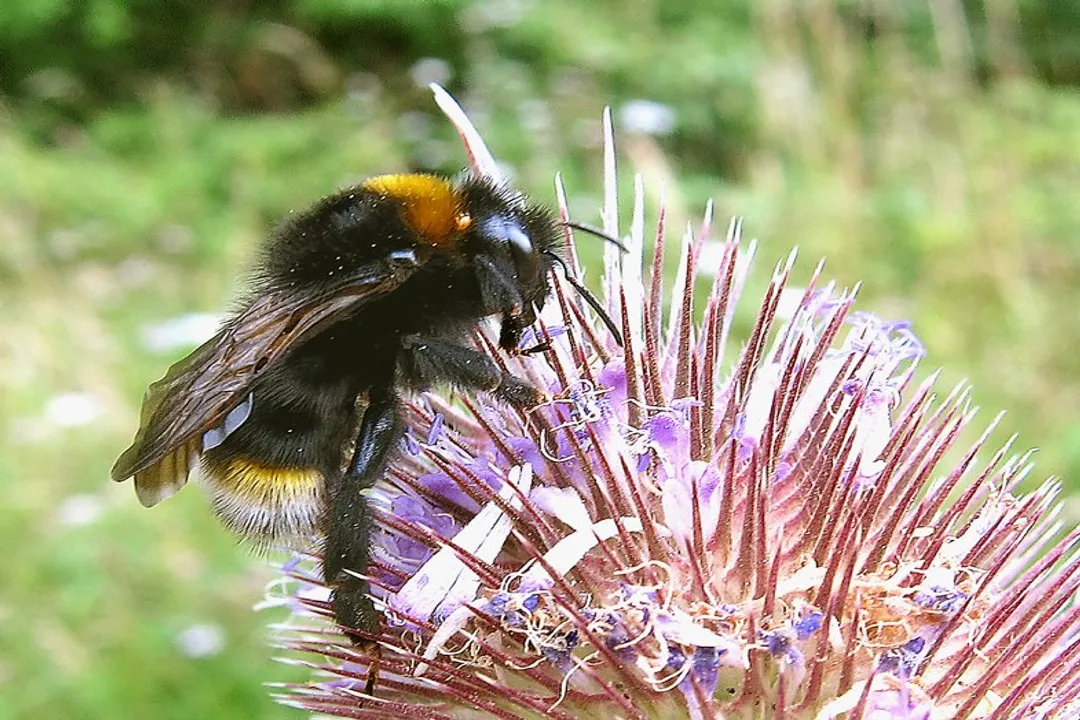
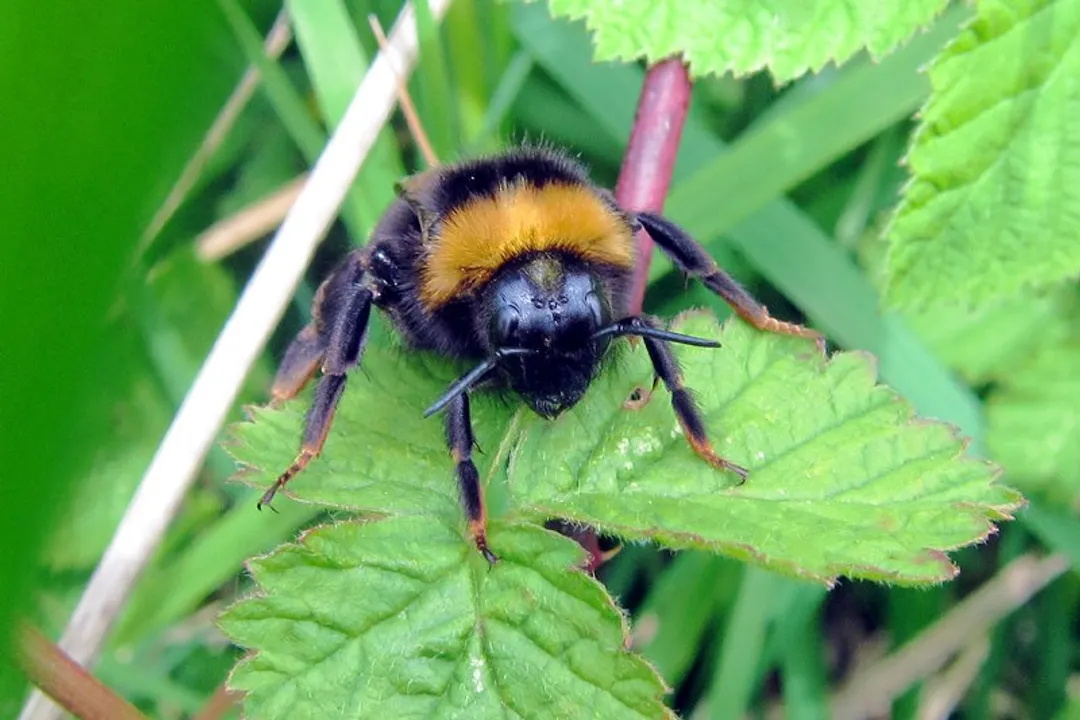
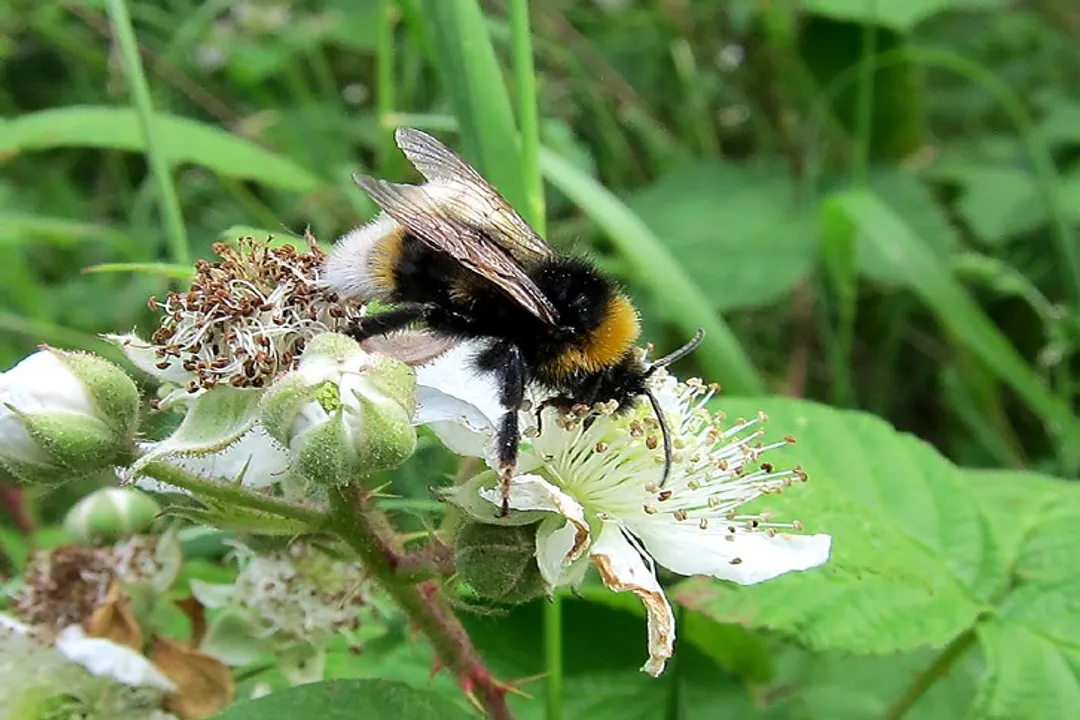
Distinguishing the Vestal Cuckoo from its primary host is perhaps the greatest hurdle for anyone hoping to spot one in the wild, especially when observing from a distance. [2][4] The appearance of the female B. vestalis queen bears a striking resemblance to the B. terrestris queen she seeks to displace. [2][6] Both species feature a predominantly black body structure with a distinctive white tail tip. [6] However, the subtle difference lies in the extent of that white coloration. [2][9]
For the White-tailed Bumblebee (B. terrestris), the white coloring typically extends further up the abdomen, covering several segments. [2][6] In contrast, the true Bombus vestalis queen usually exhibits a much shorter, more precise patch of white, confined almost exclusively to the very tip of the tail. [2][9] This fine line in morphology is crucial; a slight misjudgment in the field can lead to an exciting cuckoo sighting being recorded simply as its common host. [4]
The males and workers of the Vestal Cuckoo population present different markings. Workers and males are characterized by prominent yellow bands on their bodies, which helps differentiate them from the strictly black and white queen phase. [2] When examining a recorded observation, noting the color pattern of all observed individuals, if a nest is present, can sometimes offer a clue, though the queen's markings remain the definitive feature for identification. [2][6]
# Parasitic Strategy
The life cycle of B. vestalis is entirely predicated on deception and takeover, making it a clear example of cleptoparasitism—stealing the resources and workforce of another colony. [1] The process begins in the spring when the mated female Vestal Cuckoo queen emerges from hibernation, seeking a recently established B. terrestris nest. [1][6]
# Nest Takeover
The timing of this invasion is critical. The parasitic queen must find a host colony that is still very young, likely having only the original host queen and perhaps her very first clutch of young workers. [1] Once a suitable, vulnerable nest is located, the parasitic queen employs aggressive tactics. She gains entry, and through physical confrontation, she either kills the host queen outright or physically suppresses her. [1][6]
Once the host queen is neutralized, the Vestal Cuckoo takes command. Because the host colony workers are genetically similar enough to the parasite's brood, they do not recognize the deception immediately or are chemically unable to fight the usurper effectively. [1] They are coerced or tricked into accepting the parasitic queen as their own, and they proceed to forage, tend to the brood cells, and raise the eggs laid by B. vestalis. [1][6] The host workers effectively become the unwitting nannies for the next generation of parasites. This reliance means that B. vestalis never needs to invest the significant energy required for initial nest founding, pollen collection, or early-stage larval care that other bumblebees must undertake. [1]
# Geography and Habitat
The geographical distribution of the Vestal Cuckoo Bumblebee generally covers much of Europe and extends into parts of Asia. [1] Within the United Kingdom, specific sightings have been recorded, such as in areas like Gedling and the Parkland Walk. [5][8] While the bee is present across this range, its distribution is intrinsically tied to the presence of its host species, Bombus terrestris. [1]
If you are in an area where White-tailed Bumblebees are common, there is a potential opportunity to find a Vestal Cuckoo, provided the right environmental conditions support the host population. [2][4] This dependency creates an interesting ecological dynamic. The continued success of the parasite is essentially a measure of the host's abundance in a given locale. [4]
Consider the implication of this co-dependence: A local decline in B. terrestris due to habitat loss, pesticide use, or disease will invariably lead to a corresponding, and perhaps even more rapid, decline in B. vestalis, simply because its means of reproduction vanishes. [4] This places the conservation status of the seemingly dominant social parasite in a precarious position, resting entirely on the health of another species. For those interested in observing native Irish or UK pollinators, knowing that the Southern Cuckoo Bumblebee (Bombus barbutellus) is a similar parasite but targets different hosts, like Bombus hortorum, underscores the importance of accurate identification to truly gauge local B. vestalis populations. [4]
# Reproduction Cycle
The reproductive season for the Vestal Cuckoo is shorter than for solitary bees because they inherit a functional workforce. After the parasitic queen successfully takes over the B. terrestris nest, she can begin laying eggs almost immediately, with the already present host workers attending to them. [1] This head start means that the parasitic colony begins producing its own reproductive individuals—new queens and males—earlier in the season than a standard B. terrestris colony would. [1]
The workers produced by the usurped nest are ultimately sterile, unable to reproduce themselves, ensuring that the new brood consists only of the next generation of parasitic queens and males. [6] Once the new parasitic queens are ready, they leave the stolen nest to mate, after which they will hibernate over winter to begin the cycle anew the following spring. [6] The original B. terrestris workers and the initial host queen (if still alive) will typically die off as the season ends, leaving behind a new generation of Vestal Cuckoos ready to invade the next spring's crop of new B. terrestris queens. [1]
# Observing Cuckoos
For nature enthusiasts, spotting a Vestal Cuckoo offers a tangible connection to complex ecological interactions. Because they are rarer and their appearance is so similar to their host, any verified sighting is valuable for local records. [2][4] One excellent time to look is early in the spring (typically March to May in the UK), as this is when the newly emerged parasitic queens are actively searching for those vulnerable, newly founded B. terrestris nests. [1][5] If you happen to see a bumblebee queen hovering near a potential nest site—perhaps in a hole in the ground or under a shed—and she exhibits an unusual level of aggression or persistence compared to other queens in the area, it might warrant closer, non-intrusive inspection for the tell-tale short white tail tip. [5]
When considering garden management to support these fascinating insects, remember the dependency chain. Providing early nectar sources, such as crocuses or pulmonaria, helps ensure the B. terrestris host queens have the energy reserves needed to successfully start their colonies. [4] A healthy, vigorous population of hosts provides the necessary breeding grounds for the cuckoos. A slight variation in the white banding, as little as one segment difference, is the key identifier, and acknowledging this subtle visual difference is vital for accurate local reporting, meaning recorders need to pay close attention to abdomen segments rather than just the presence of white. [2][6] Any records submitted to local biodiversity recording schemes should note the presence of the host species nearby, as this adds significant context to the B. vestalis observation. [8]
# Key Species Comparison
To illustrate the challenge and importance of correct identification, a brief comparison between the two closely related queens is helpful:
| Feature | Bombus vestalis (Vestal Cuckoo) | Bombus terrestris (White-tailed Bumblebee) |
|---|---|---|
| Lifestyle | Obligate Social Parasite [1] | Non-parasitic, Colony Builder [1] |
| Tail Tip | Very short, only the absolute tip is white [2][6] | White extends further up the abdomen [2][6] |
| Emergence/Search Time | Early Spring (seeking new hosts) [5] | Early Spring (seeking nesting sites) [1] |
| Nesting | Hijacks existing nests [6] | Builds its own nest underground [1] |
This table highlights that while both species share the same habitat in spring, their immediate activities are vastly different, allowing the parasite to exploit the host's hard work. [1] The Vestal Cuckoo's entire existence is a testament to evolutionary specialization, relying on a precise, high-risk takeover maneuver to perpetuate its line. [1][6]
Related Questions
#Citations
Bombus vestalis - Wikipedia
Vestal Cuckoo Bumblebee Insect Facts - Bombus vestalis
Bombus vestalis - Facts, Diet, Habitat & Pictures on Animalia.bio
Southern cuckoo bumblebee
Vestal cuckoo bee - Parkland Walk
Vestal Cuckoo Bumble bee (Bombus vestalis) - iNaturalist
Vestal Cuckoo Bee (Bombus vestalis) - Facebook
Vestal Cuckoo Bee - Gedling Conservation Trust, Nottingham
Vestal Cuckoo Bee - Bombus vestalis - Observation.org