How does the Bombus vestalis queen typically gain control of a host nest?
Answer
She infiltrates the nest and kills the host queen
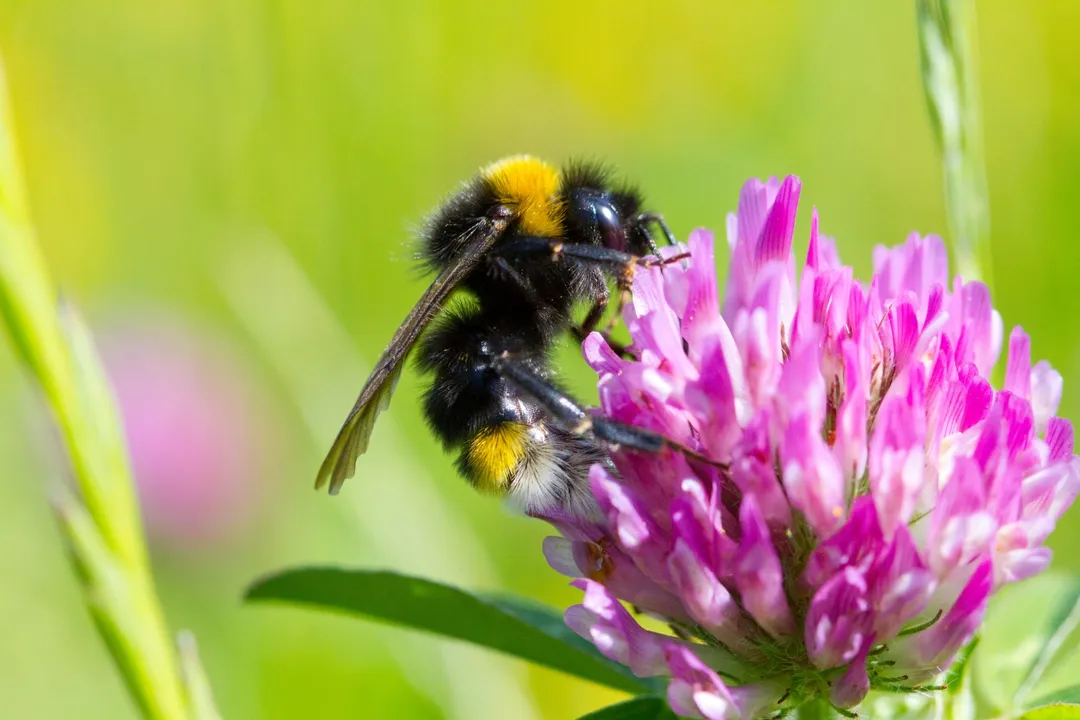
Upon locating an established host nest in the spring, the Vestal Cuckoo queen must immediately neutralize the existing leadership to seize control of the resources. The infiltration process is an aggressive act involving the elimination of the host queen, which is typically accomplished through direct physical combat or the use of poison. Once the host queen is removed, the parasite can lay her own eggs within the colony, ensuring that the host workers, who are unaware of the change, will treat the parasitic larvae as their own offspring and provide them with the necessary sustenance.
Related Questions
Which species serve as the primary hosts for the Vestal Cuckoo Bumblebee?How does the Bombus vestalis queen typically gain control of a host nest?Why is the foraging behavior of a Bombus vestalis queen different from that of a standard social bumblebee?What mechanism ensures that the larvae of the Bombus vestalis are fed?How does the diversity of floral sources impact the nutrition of the Bombus vestalis brood?What is the primary conservation requirement to support the Vestal Cuckoo Bumblebee?What happens if a sudden environmental shift, such as a drought, occurs in the habitat of the host colony?How does the Vestal Cuckoo strategy represent a form of social parasitism?What is the primary purpose of the Bombus vestalis queen foraging during the early spring?Why is the presence of nectar-rich flowers considered indirect support for the Vestal Cuckoo?