Yellowish Cuckoo Bumblebee (formerly Fernald’s Cuckoo Bumblebee) Scientific Classification
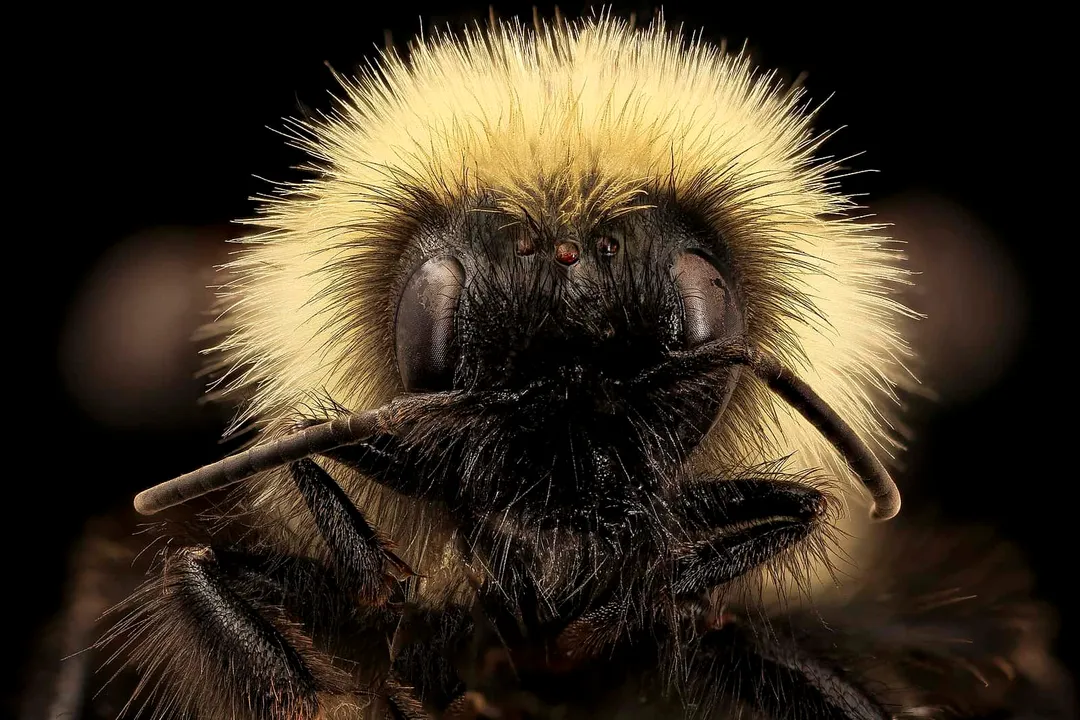
The lineage of the Yellowish Cuckoo Bumblebee offers a fascinating look into how modern science refines our understanding of the natural world, often resulting in changes to the names we use to describe these important insects. This particular bee, known scientifically today as Bombus flavidus, [3][6] carries a history tied to its former designation, Bombus fernaldi. [1][2][8] For many field researchers and enthusiasts, the shift in nomenclature can be significant, linking past observations to current monitoring efforts, especially when looking at regional status reports from places like New Jersey, where the species has been documented as extirpated, [7] or in areas like Montana and Idaho where its presence is actively tracked. [4][5] Recognizing this species involves placing it within the established Linnaean system, which provides a universal language for describing its relationships to other life forms. [3]
# Kingdom Placement
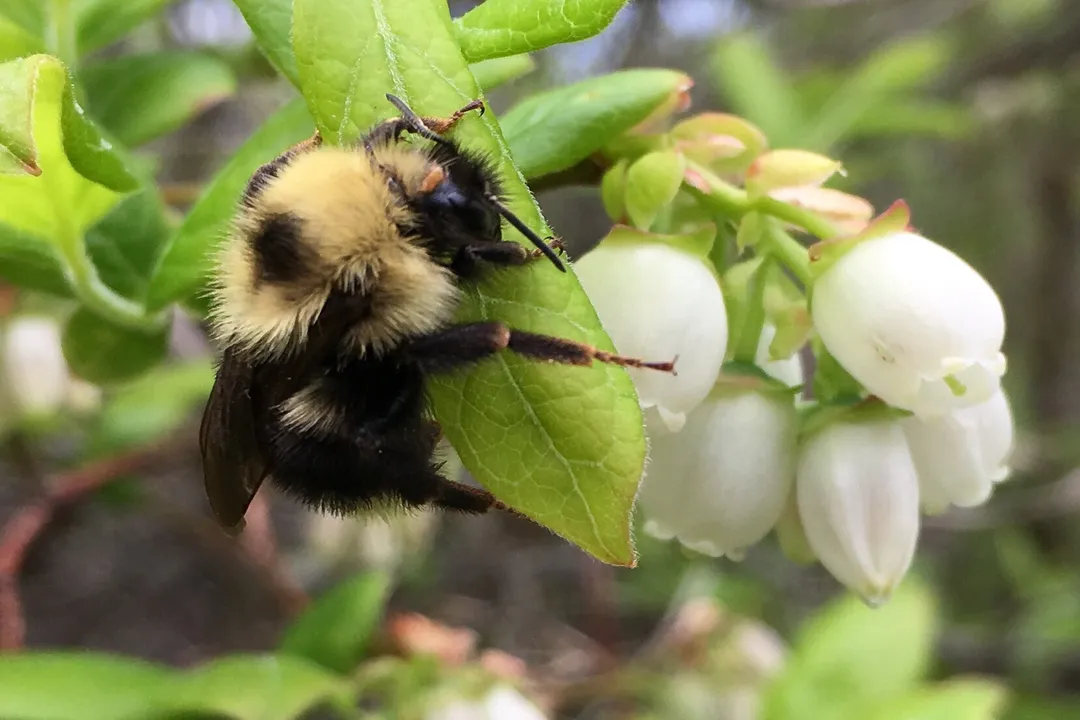
The classification of any bee begins at the broadest level, placing it within the accepted biological kingdoms. The Yellowish Cuckoo Bumblebee resides firmly within the Kingdom Animalia. [3] This broad category immediately sets it apart from plants, fungi, and other life forms, denoting it as a multicellular, heterotrophic organism.
Moving down the hierarchy, the next significant grouping is the Phylum Arthropoda. [3] This phylum includes all animals with an exoskeleton, a segmented body, and jointed appendages. This places the bee alongside insects, spiders, and crustaceans, marking its physical structure as distinctly invertebrate.
# Insecta Grouping
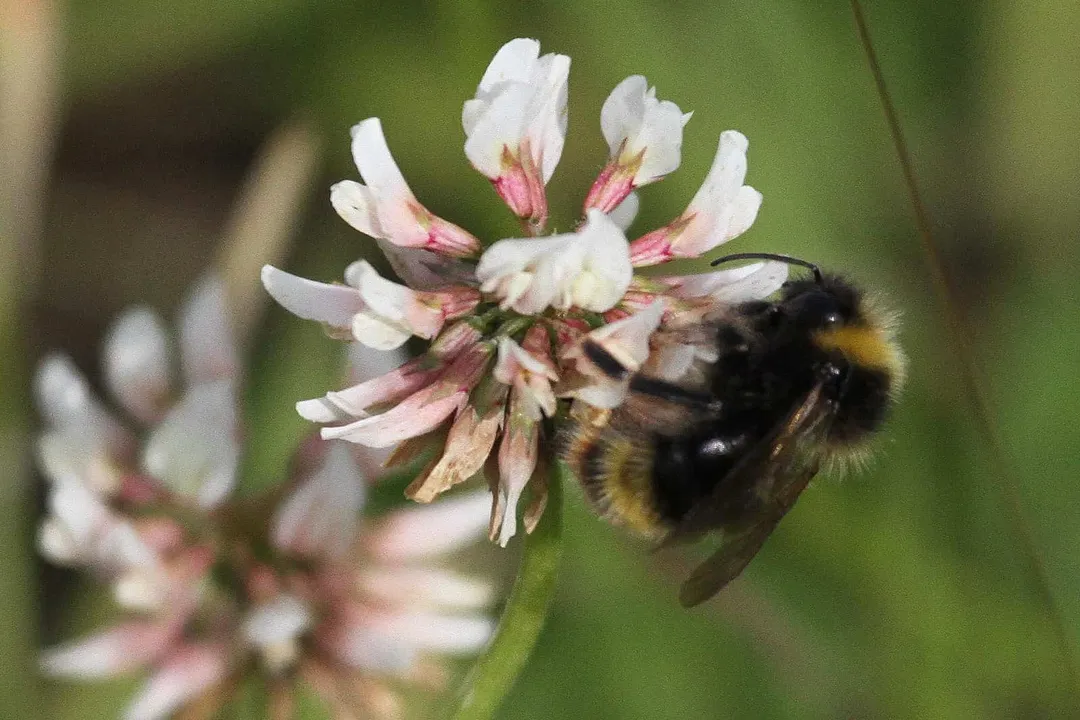
Within Arthropoda, the Yellowish Cuckoo Bumblebee belongs to the Class Insecta. [3] This classification confirms key insect characteristics, such as a three-part body (head, thorax, abdomen), six legs, and usually one or two pairs of wings. The Order Hymenoptera further refines this placement, grouping it with other highly social and often stinging insects like ants and wasps. [3] This Order is significant because it contains the vast majority of species known for complex social structures or parasitism, traits that are certainly reflected in the cuckoo bumblebee’s lifestyle.
The Family Apidae is where the bee truly begins to resemble the species we commonly recognize as bees. [3] The Apidae family encompasses honey bees, orchid bees, and all bumblebees. The genus, Bombus, narrows this classification down to the true bumblebees. [3][6] This genus is globally recognized for its large, fuzzy appearance and social behavior, though the cuckoo species exhibit a highly specialized divergence from the typical social structure. [4][7]
# Species Identity
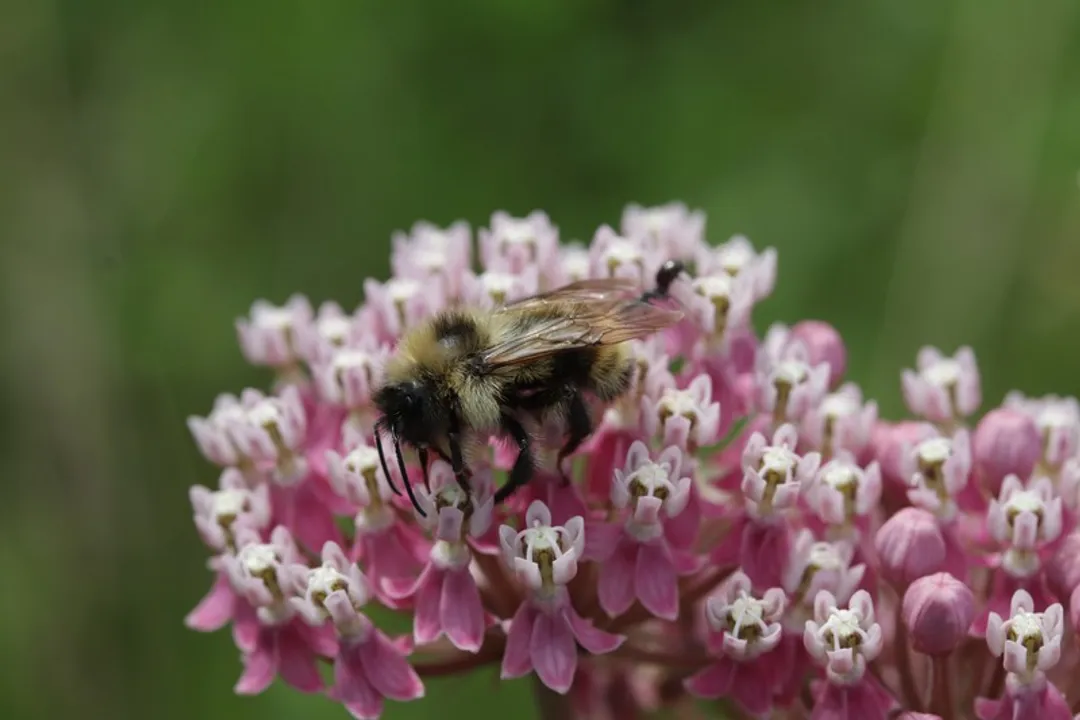
The specific species name is flavidus. [3][6] This name, alongside the genus Bombus, creates the binomial nomenclature: Bombus flavidus. [3] While the current scientific consensus uses flavidus, the historical record often references Bombus fernaldi. [1][2][8] This species is part of a group of bees known as social parasites or inquilines. [4] Understanding the precise species identity is not merely an academic exercise; for instance, tracking the presence of B. flavidus in areas like the Idaho Panhandle or across the state lines in Montana helps conservationists monitor the health of entire pollinator communities. [4][5]
The structure of this classification highlights an interesting evolutionary point: while the entire Bombus genus is characterized by robust social behavior and pollen collection, B. flavidus exemplifies how a lineage within that genus can become an obligate social parasite, relying entirely on the nest-building capabilities of other Bombus species. [4][7] This specialization within a single genus shows the high degree of plasticity available to evolutionary pressures within a successful group.
# Taxonomic Name Shifts
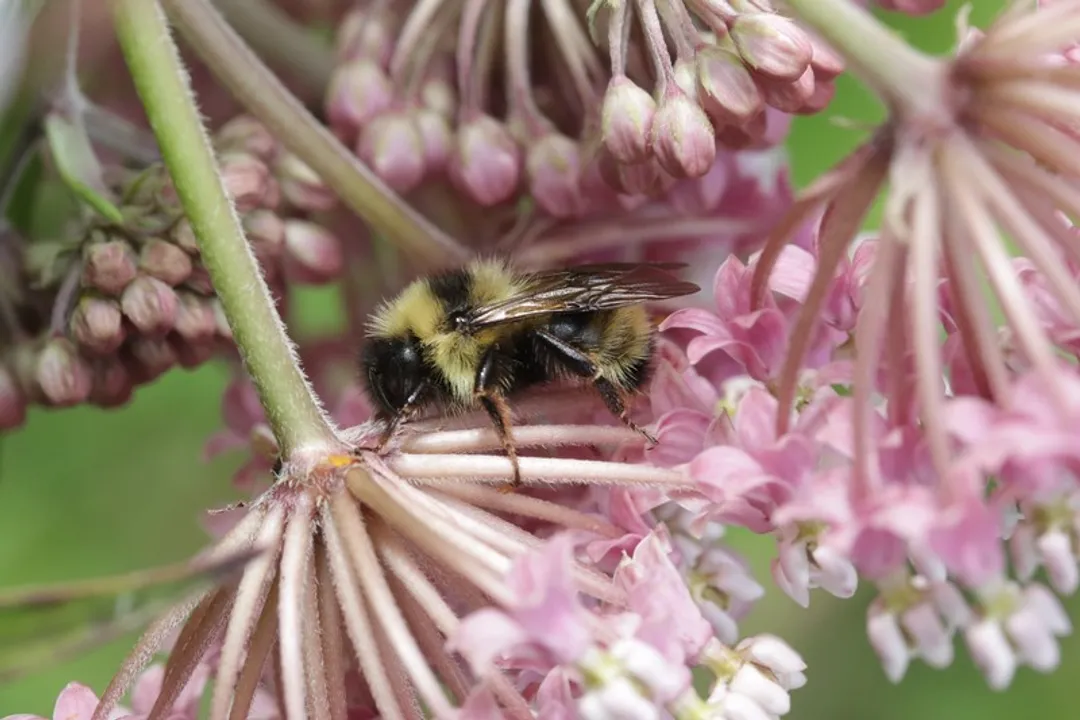
The transition from Bombus fernaldi to Bombus flavidus reflects ongoing scientific scrutiny, often based on new genetic or morphological data that suggests a closer relationship to a different lineage than previously understood. [8] For conservation groups and ecological surveys that rely on accurate species ID, this change necessitates careful cross-referencing between historical data sets that use the old name and current field reporting systems that use the new one. [1] The former name, Fernald’s Cuckoo Bumblebee, honored entomologist Charles H. Fernald. [2] Now, B. flavidus carries the common name Yellowish Cuckoo Bumblebee, reflecting potential coloration tendencies, although the defining characteristic remains its parasitic reproductive strategy. [1][2]
# Cuckoo Ecology Context
To fully appreciate the classification of B. flavidus, one must consider the ecological role implied by its common name—cuckoo bumblebee. [1] Unlike most other bumblebees, which are characterized by worker females that collect pollen and nectar to provision a colony, the female cuckoo bumblebee lacks the corbicula, or pollen-collecting basket, on her hind legs. [1][4] This absence is a direct physical manifestation of its parasitic lifestyle. [4]
The female B. flavidus is a social parasite. [4] Her existence is predicated on infiltrating the nest of a host species. This behavior is what distinguishes her reproductive strategy within the Bombus genus. The species is known to target specific hosts; for example, in some regions, known or suspected hosts include Bombus terricola and Bombus impatiens. [7] The timing of her entry into the host nest is critical, usually occurring when the host colony is already established and beginning to raise its first true workers. [7]
When tracking these insects in the field, a good observer notes more than just the color pattern. The absence of pollen loads on the legs of a large, queen-like bumblebee during the summer nesting season should immediately suggest the possibility of a cuckoo species like B. flavidus. [1] This functional distinction—the lack of pollen gathering—is a tangible characteristic that transcends the potentially subtle visual differences between closely related Bombus species, providing a valuable clue even when the scientific name remains a point of refinement.
# Distribution and Status Reflection
The formal scientific classification allows researchers to track the distribution of Bombus flavidus across North America, noting its presence in various provinces and states. [5][7][9] While data from the Bumble Bee Atlas and other initiatives suggest populations exist across a wide swath of the continent, specific regional statuses highlight conservation concerns. [7][9] For example, some reports indicate that in New Jersey, the species is considered extirpated. [7] Conversely, resources like the Montana Field Guide list it as a documented species in that state. [4] The precise classification, B. flavidus, is the key that unlocks these disparate regional data points, allowing for continent-wide conservation planning that respects local ecological realities. The NatureServe data, for instance, relies on this standardized taxonomy to assign global conservation ranks. [6]
For citizen scientists, understanding this classification hierarchy is essential for contributing reliable data. When submitting a sighting to an online platform like iNaturalist, selecting the correct taxon, Bombus flavidus, over the older Bombus fernaldi (which is often listed as a synonym or historical name) ensures that the observation contributes accurately to the most current ecological modeling efforts. [3] If you are recording data and notice that your local monitoring project uses the older name, making a note of the equivalent B. flavidus designation in your own field notes will help harmonize data down the line, ensuring that records from, say, the Vermont Bumble Bee Atlas are easily comparable with those from Idaho databases. [7][8] This attention to taxonomic consistency is foundational for effective species management across political boundaries.
# Summary of Hierarchy
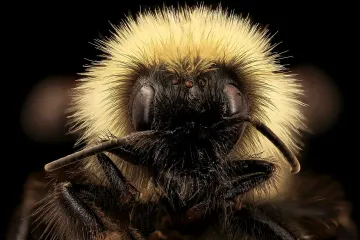
To clearly summarize where this unique pollinator fits within the web of life, here is a snapshot of its Linnaean standing based on current scientific consensus:
| Rank | Classification |
|---|---|
| Kingdom | Animalia |
| Phylum | Arthropoda |
| Class | Insecta |
| Order | Hymenoptera |
| Family | Apidae |
| Genus | Bombus |
| Species | flavidus |
| [3] |
This structure confirms its placement among the insects, within the bee family, and specifically as a true bumblebee defined by its genus Bombus. [3] The inclusion in the Hymenoptera order, which is known for complex social dynamics, perfectly foreshadows its specialized role as a social parasite within the nest environment. [3][4] The specific designation flavidus marks it as distinct from all other Bombus species, defining its unique ecological niche, even as it relies on others for its very existence. [6]
Related Questions
#Citations
Flavid Cuckoo Bumble Bee - Conservation Guides
Yellowish Cuckoo Bumblebee (formerly Fernald's ... - A-Z Animals
Yellowish Cuckoo Bumble bee (Bombus flavidus) - iNaturalist
Flavid Cuckoo Bumble Bee - Montana Field Guide
Bombus flavidus (Fernald's Cuckoo Bumble Bee) | Idaho Fish and ...
Bombus flavidus - NatureServe Explorer
Wi BBB: Bombus flavidus
Bombus fernaldae | Vermont Atlas of Life
Bombus flavidus - Bumble Bee Atlas